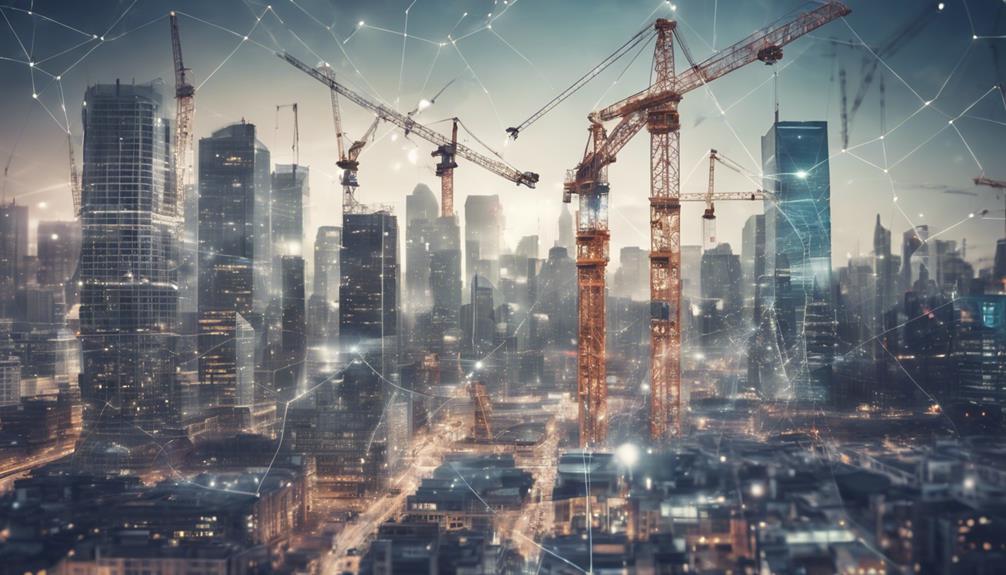
If you're deep into commercial real estate, you know tech failures pose a serious threat, stunting expansion and profitability. System crashes mean you can't access client data, hindering deals and eroding trust. A data breach or ransomware attack not only disrupts operations but also damages your financial stance and reputation. The reliance on digital tools, while enhancing efficiency, can backfire during critical phases if not balanced with traditional skills and contingency plans for tech mishaps. It's prudent to ensure robust cybersecurity and have disaster recovery strategies ready to go. Exploring this further may unveil deeper insights and preventative measures to protect your venture.
Impact of Technology Failures
In the realm of commercial real estate, technology failures can drastically hinder progress. You rely on a myriad of tech tools to forecast market trends, manage properties, and communicate with clients. When these systems crash, you're not just facing a minor hiccup; you're potentially losing out on crucial deals and client trust.
Imagine you're in the middle of finalizing a significant property sale. Your CRM system suddenly goes down. Client contact information, the history of correspondence, and tailored proposals—it's all inaccessible. You're stuck, unable to proceed, and your client's confidence in your operational capabilities wanes.
Moreover, consider the impact of data loss. Essential documents, contracts, and property listings can vanish in a blink. You're left scrambling to recover information that once was at your fingertips, wasting time that could have been spent nurturing client relationships or securing new opportunities.
System downtimes and glitches also mean your team can't work efficiently. The ripple effect is immediate and far-reaching. Productivity plummets, deadlines are missed, and the stress mounts. In commercial real estate, where timing and information are paramount, technology failures aren't just inconvenient—they're costly missteps that can set you back significantly.
Cybersecurity Risks Explained
As we delve into cybersecurity risks, it's crucial to understand that these threats pose a significant danger to your commercial real estate business. Hackers are increasingly targeting the sector, drawn by the valuable data and financial transactions handled daily. Here's what you need to know to protect your interests.
Firstly, data breaches can devastate your business's reputation and finances. When sensitive client information or proprietary business data is compromised, you're not just facing immediate financial losses; you're also dealing with long-term trust issues. It's essential to implement stringent security measures, including secure data encryption and regular audits.
Secondly, ransomware attacks can paralyze your operations. These occur when malicious software infiltrates your systems, locking you out until a ransom is paid. Even if you pay, there's no guarantee your data will be restored or untouched. To combat this, ensure your anti-virus software is up-to-date and educate your staff on recognizing suspicious emails and links.
Lastly, downtime caused by cyber-attacks can lead to significant revenue loss and disrupt client relationships. Keeping backup systems and having a robust disaster recovery plan in place will help you stay operational, even under attack.
Reliance on Digital Tools
Reliance on digital tools has become a cornerstone of efficiency in the commercial real estate sector. You've likely experienced how software solutions streamline complex transactions, from property management to sales negotiations. These tools aren't just helpful; they're transformative, reshaping how you interact with clients and manage assets.
However, this heavy reliance might also set you up for potential pitfalls. Imagine a scenario where your go-to applications crash during critical deal-making phases. You're left scrambling, aren't you? This isn't just inconvenient; it can alter deal outcomes and tarnish your professional reputation.
Moreover, the shift towards digital platforms means traditional skills are often underutilized. You might find yourself or your team becoming overly dependent on software for tasks like market analysis and client communications, possibly neglecting the development of interpersonal and analytical skills crucial in this industry.
To mitigate these risks, it's essential to maintain a balance. Use digital tools to enhance your capabilities, not replace them. Ensure you have contingency plans for tech failures. It's about being prepared, staying versatile, and leveraging technology as one of many tools in your arsenal, not the only one.
Data Breaches and Property Values
While you've seen how digital tools can streamline operations in commercial real estate, another tech-related challenge is the risk of data breaches, which can significantly impact property values. When sensitive information gets exposed, it doesn't just affect immediate business operations; it strikes at the core of trust that investors and tenants place in property management companies.
If you're managing a property and a data breach occurs, the fallout can be immediate and severe. Prospective tenants might second-guess moving into a building where data security isn't guaranteed. Current tenants could decide to move out, fearing for their own information safety. This loss of trust leads to higher vacancy rates, and as you know, when vacancy rates climb, property values tend to drop.
Moreover, recovering from a data breach isn't just about plugging a security hole. You'll need to invest in public relations campaigns to restore confidence and possibly offer compensations to affected parties. These efforts require substantial financial resources and can strain your operating budget.
Smart Building Vulnerabilities
Smart buildings integrate advanced technology to manage everything from heating and lighting to security systems, but this innovation also brings significant vulnerabilities. You're now facing a new frontier of risks that could threaten not just your data but your physical assets and tenant safety.
As you delve deeper into the complexities of these systems, you'll find that each integration point and smart device can be a potential entry for attackers. The reliance on interconnected technologies means that a single breach can lead to cascading failures across different systems. You've got to consider not just the immediate impact but also the potential for wider network disruptions.
If you're not careful, the very technology meant to streamline operations and enhance efficiencies could become your biggest liability. Moreover, these systems often require regular updates and maintenance, which, if neglected, can open up further vulnerabilities. It's crucial you stay on top of these updates and ensure robust security protocols are in place.
Don't underestimate the importance of training your staff on these systems either. They need to be aware of potential threats and how to respond swiftly to any unusual activities. Remember, your smart building is only as secure as the weakest link in your technology chain.
Tech Outages and Tenant Relations
Tech outages can severely disrupt tenant satisfaction and trust in your property management capabilities. When systems falter, whether it's the internet, access controls, or HVAC, the immediate impact on your tenants' business operations can be profound. You must understand that each minute of downtime not only affects their bottom line but also how they view your ability to provide a reliable space.
Your response to these outages plays a crucial role in maintaining positive relationships. It's essential to have a robust communication plan in place. You'll need to inform tenants quickly, acknowledging the issue and outlining the steps you're taking to resolve it. Transparency is key; don't leave them guessing about repair timelines or the severity of the problem.
Furthermore, consider how proactive measures can alleviate potential frustrations. Regular maintenance checks and updates to tech systems can prevent many issues from arising. Offer training sessions for tenants on how to handle minor disruptions themselves, which can empower them and reduce their dependency during outages.
Lastly, always have a contingency plan that tenants are aware of. This preparedness shows that you value their business continuity and are invested in providing solutions, not just space. By actively managing tech outages, you maintain trust and demonstrate your commitment to tenant satisfaction.
Investment Delays Due to Tech
Experiencing delays in your investment plans due to technological hurdles is more common than you might think. Whether it's outdated software struggling to handle modern data loads or cyber security breaches that halt your operations, tech issues can severely derail your schedule and budget.
You've probably faced situations where digital tools, supposedly designed to streamline processes, instead add layers of complications, making transactions slower and less efficient.
Consider the impact of software incompatibilities. When your asset management tools don't sync with your accounting software, you're left manually bridging gaps, prone to errors and delays. Or, imagine the slowdowns caused by insufficient data storage capabilities. These aren't just minor hiccups; they're significant obstacles that can push back your project timelines, affecting your profitability and strategic planning.
Moreover, when you're ready to scale operations, inadequate tech infrastructure can be a major roadblock. Upgrading systems often requires substantial time and investment, not to mention the risk of downtime during the transition. It's crucial to anticipate these challenges and plan for potential tech upgrades well in advance to avoid costly delays and maintain competitive edge in the fast-paced real estate market.
Future Trends in Tech and Real Estate
As we look to the horizon, emerging technologies are set to revolutionize the commercial real estate sector. You'll witness groundbreaking changes that'll redefine how properties are developed, managed, and transacted.
Picture smart buildings equipped with IoT devices that not only enhance operational efficiency but also drastically reduce energy consumption. These advancements aren't just about cost-saving; they're about creating environments that adapt to the needs of their inhabitants in real-time.
You'll also see a significant shift in how data is used. Big data analytics will allow you to understand market trends and tenant behaviors like never before, enabling more informed decision-making and investment strategies. This is crucial in a world where the pace of change is rapid and you need to stay ahead.
Moreover, the integration of blockchain technology promises to streamline transactions by making them more transparent and secure. Imagine a future where lease agreements, sales transactions, and even building management are conducted over secure digital ledgers, reducing the likelihood of fraud and errors.
As you adapt to these technologies, you'll find that they not only drive efficiency but also open new avenues for growth and innovation in your commercial real estate ventures.
Mitigating Technology Risks
While embracing new technologies offers numerous benefits, it's crucial to recognize and mitigate the associated risks to safeguard your commercial real estate investments. As you integrate advanced systems like IoT and AI into your properties, you must also implement robust cybersecurity measures. Hackers often target real estate data, seeking to exploit financial and personal information. Ensure you've got a solid cybersecurity protocol in place and regularly update your systems to fend off potential threats.
You also need to consider the reliability of the tech solutions you adopt. Downtime or malfunctions in critical systems can lead to significant losses. It's wise to choose technology partners known for their dependability and to have contingency plans ready for tech failures.
Furthermore, don't overlook the importance of training your team to handle new technologies effectively. Poor understanding and misuse can nullify the advantages these tools offer. Invest in regular training sessions and maintain an open line of communication for any tech-related issues your staff might encounter.
Lastly, consider the long-term scalability and adaptability of the technology solutions you implement. As your property portfolio grows and evolves, your technology must keep pace. Always plan with future growth in mind to avoid costly overhauls down the line.
Conclusion
You've seen how tech failures can stunt commercial real estate growth. To safeguard your investments, prioritize cybersecurity and stay updated on digital advancements. Strengthen your properties against data breaches and tech outages to maintain tenant trust and property value. By proactively addressing these vulnerabilities, you can navigate future trends more effectively and mitigate risks. Remember, your vigilance in managing technology will determine the resilience and attractiveness of your real estate in this digital era.
Related articles: 10 Best Innovations Boosting Commercial Real Estate Growth