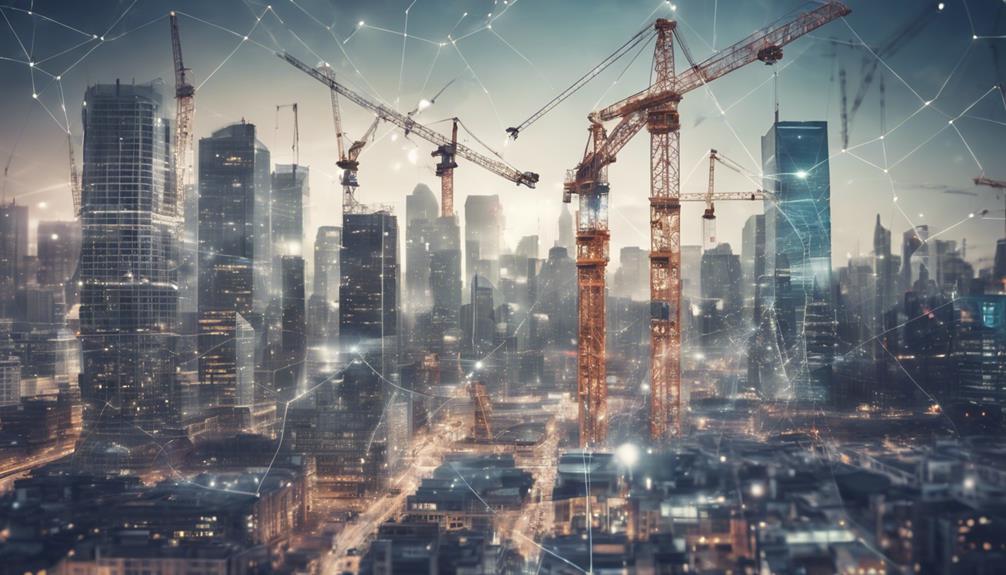
In the post-pandemic world, you'll find that commercial real estate is rapidly evolving. Suburban areas are drawing more businesses away from crowded city centers, driven by the rise of remote work and the need for lower costs. You're also seeing a shift with retail spaces being converted into distribution hubs to meet the demands of booming e-commerce. As you adapt to these trends, prioritize flexibility in how spaces are used and consider integrating technology to maintain competitiveness. Adjusting investment strategies to include properties that support these changes is becoming crucial. Exploring these shifts further could reveal deeper insights into securing lucrative opportunities in the evolving market landscape.
Shift Towards Suburban Expansion
The allure of suburban spaces has intensified in the post-pandemic landscape, steering businesses towards these less dense areas. You've likely noticed the shift; perhaps your favorite city brands are popping up closer to home. This isn't just a coincidence.
With more people working remotely, the daily bustle of city centers has diminished, making suburban markets hot spots for growth.
Businesses are adapting by relocating to where you are—less congested, more accessible areas with a ready market itching for convenience and quality service. This move also offers businesses lower real estate costs compared to high-priced urban centers. It's a win-win: companies save on overheads, and you get enhanced local services without trekking into the city.
Furthermore, these suburban locales provide businesses with a unique opportunity to create community-centric spaces. You'll see more integrated developments that blend retail, office, and residential uses, all designed to cater to your lifestyle.
It's about bringing the amenities to you, fostering a sense of community, and enhancing your day-to-day convenience.
As businesses continue to recalibrate their strategies, keep an eye on your local landscape. It's transforming in ways that aim to directly benefit your lifestyle and meet your evolving needs.
Rise of E-commerce Impact
E-commerce has fundamentally reshaped how you shop and interact with businesses, accelerating dramatically in the wake of the pandemic. You've seen the shift from bustling malls to online shopping hubs where everything is a click away. This shift isn't just about convenience; it's altering the very fabric of commercial real estate.
Retail spaces are morphing before your eyes. Traditional large retail outlets are dwindling, replaced by distribution centers and pickup locations. You might notice fewer new shopping centers in your area as developers pivot to build warehouses that support the logistics of online shopping.
These aren't just any warehouses; they're sophisticated, with advanced systems to manage inventory and ensure quick delivery.
As you adapt to this new shopping norm, consider the ripple effects on local economies. The demand for large commercial spaces is cooling off, impacting property values and local tax revenues. Meanwhile, there's a surge in demand for industrial properties.
This isn't just a phase—it's the new reality of the market, and it's reshaping investment strategies and urban planning.
In this evolving landscape, staying informed and adaptable is your best strategy. As e-commerce continues to expand, the implications for commercial real estate are profound and far-reaching.
Remote Work and Office Demand
As you've observed the shift in retail strategies, another significant change is how corporations are reevaluating their need for traditional office spaces. You're likely aware of the rapid acceleration towards remote work, a trend that's drastically altering office space demand. Companies, big and small, have recognized that many employees can perform their duties from home, leading to a rethinking of office size and location.
You've seen how this shift impacts commercial real estate, with a decreased need for large office buildings in urban centers. Instead, there's a growing interest in smaller, more flexible workspaces that can cater to hybrid models—where employees split their time between home and office.
This adaptation means you might spot more satellite offices popping up in suburban areas, closer to where employees live, reducing commute times and possibly enhancing work-life balance.
It's essential for you to consider how this evolution affects your investments or business operations. The landscape of commercial real estate is changing, and staying ahead means adapting to these new norms of work environments.
As remote work continues to be embraced, the traditional office market mightn't see a return to its pre-pandemic boom, fundamentally altering how you strategize moving forward.
Repurposing Vacant Properties
How can you leverage the increasing number of vacant properties resulting from the shift away from traditional office spaces? With creativity and strategic planning, you've got a unique opportunity to transform these empty spaces into vibrant hubs that meet new market demands.
Consider converting these properties into mixed-use developments. You can combine residential units, retail spaces, and co-working areas to create a community-centric environment. This not only maximizes the use of space but also attracts a diverse group of tenants and visitors.
Additionally, think about the rise of e-commerce which has escalated the need for distribution centers. Why not turn a former office building into a fulfillment center? This repurposing can place you strategically within urban areas, cutting down on delivery times and costs, which is a huge plus for businesses.
You might also explore the potential for cultural or educational facilities. Communities are always on the lookout for more art galleries, museums, or learning centers, especially in areas where public amenities are lacking.
Sustainability in Building Design
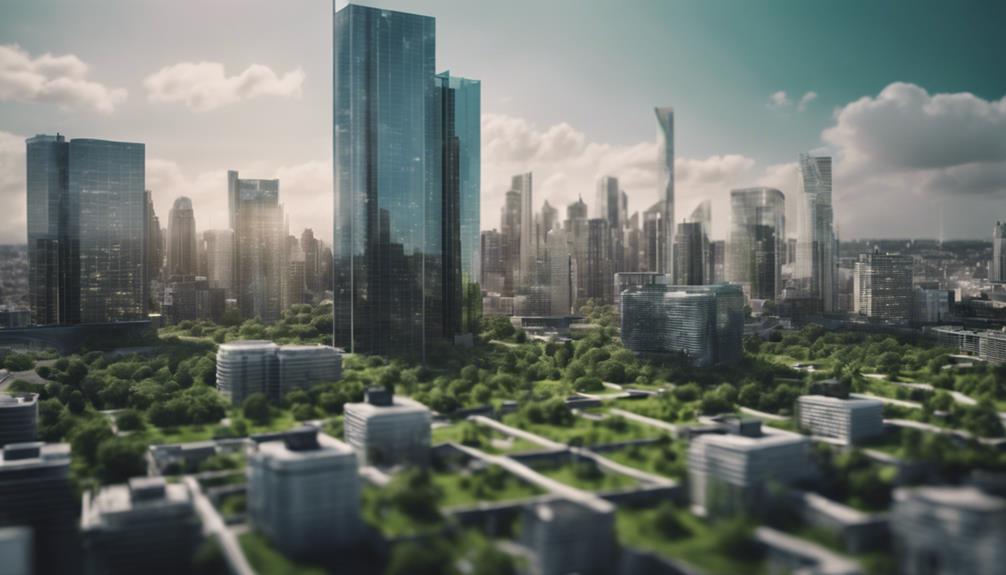
Building on the idea of repurposing vacant properties, integrating sustainability into building design stands as a powerful way to enhance value and appeal in today's market. You're seeing more developers prioritize green building certifications like LEED, which not only reduce operational costs but also attract eco-conscious tenants. Investments in energy-efficient systems, from HVAC upgrades to solar panels, can significantly cut down your building's carbon footprint and utility bills.
Incorporating natural elements through biophilic design isn't just aesthetically pleasing; it boosts occupant well-being and productivity. Think of installing large, energy-efficient windows that let in natural light, reducing the need for artificial lighting, and using plants to improve indoor air quality. These elements make your property more attractive to potential renters who value health and environmental sustainability.
You should also consider the use of sustainable materials in your building renovations. Recycled steel, reclaimed wood, or low-VOC paints contribute to a healthier environment and can set your property apart in a crowded market. By embracing these innovative practices, you're not just updating a building; you're transforming it into a modern, sustainable space that's built for the future. Remember, going green isn't just good for the planet—it's great for your portfolio too.
Changes in Retail Spaces
Navigating through the evolving landscape, retail spaces are undergoing significant changes post-pandemic. As a retailer, you're likely noticing a shift towards more flexible designs and multi-functional areas that accommodate both in-person shopping and online order fulfillment activities. This isn't just about adapting to new shopping behaviors; it's a strategic move to enhance customer experience and operational efficiency.
You've also seen technology take a front seat. Interactive displays and contactless payment options are becoming commonplace, making shopping seamless and safer for everyone. It's essential you keep up with these tech upgrades to stay competitive.
Furthermore, you're observing a trend where retail locations are doubling as community hubs. Spaces are being redesigned to host events and social gatherings, reinforcing customer loyalty and attracting a broader audience. This approach not only diversifies your revenue streams but also strengthens your brand's presence in the community.
Increased Demand for Warehouses
Amid the shifts in commercial real estate, there's been a noticeable increase in the demand for warehouses. As you navigate these changes, it's essential to understand why this trend is accelerating and how it impacts your business strategies.
The growth of e-commerce, significantly fueled by the pandemic, has led to a surge in requirements for distribution centers. These facilities are crucial for storing goods closer to consumers to ensure faster delivery times.
You'll find that traditional retail spaces are being repurposed into fulfillment centers, reflecting a shift in consumer shopping behaviors towards online platforms. As a result, there's a greater need for large, flexible spaces that can accommodate a variety of logistical operations, from sorting and packaging to last-mile delivery preparations.
Moreover, the rise of just-in-time inventory management practices means businesses are increasingly reliant on efficient warehousing solutions to reduce overheads and enhance service delivery. This demand isn't just a temporary shift; it's a long-term transformation in the commercial landscape.
For you, this means exploring locations that can support robust logistics operations and considering investments in technology that streamline warehouse management. These steps are vital to staying competitive in a rapidly evolving market.
Investment Strategies Realignment
As the commercial real estate landscape evolves, your investment strategies must adapt to stay ahead. You've likely noticed shifts in market demand, particularly with an increased interest in logistics and residential spaces over traditional retail and office buildings. It's essential to reassess where you're placing your capital.
Diversification is more crucial than ever; it's not just about spreading investments but selecting the right types of properties in emerging locations.
You should also consider the resilience of your portfolio. How well can it withstand another unexpected global event? Investing in properties with flexible use capabilities or those that can easily shift purposes can safeguard your interests.
For instance, buildings that can be converted from offices to apartments or vice versa might offer lower risk in fluctuating markets.
Moreover, it's time to sharpen your focus on tenant quality over quantity. Securing tenants with strong credit profiles and essential business models (like healthcare services) can provide more stable rental incomes.
This approach might mean being more selective and possibly facing longer vacancy periods, but the trade-off can lead to greater long-term security.
Technology Integration in Spaces
Integrating technology into commercial real estate spaces is becoming essential for staying competitive. You're now facing a landscape where tenants demand smart, connected environments. They aren't just looking for prime locations; they want tech-enhanced spaces that improve efficiency and comfort.
Imagine offices with advanced HVAC systems controlled via smartphones, or retail spaces using interactive digital signage to engage customers. These aren't futuristic fantasies. They're the current demands of a market driven by tech-savvy consumers and businesses. You need to adapt quickly to keep up.
It's not just about installing the latest gadgets. You should also focus on how these technologies can make spaces more adaptable and responsive.
For instance, sensor-driven analytics can help you understand space utilization, ultimately saving costs and improving tenant experiences. Think about integrating building management systems that learn from occupant behavior, optimizing energy use and reducing operational costs.
Regulatory Changes and Effects
How are recent regulatory changes impacting commercial real estate? You're likely noticing that shifts in zoning laws, building codes, and environmental regulations are reshaping the landscape. These changes aren't just bureaucratic red tape; they're catalysts that prompt you to adapt and innovate.
For instance, increased emphasis on sustainability has led to stricter building codes. You now need to invest in eco-friendly materials and technologies, which might seem costly upfront but can lead to significant energy savings and attract eco-conscious tenants.
Additionally, new zoning laws are expanding opportunities for mixed-use developments, allowing you to diversify your portfolio and reduce risk.
You're also seeing changes in tax policies that affect your bottom line. Some regions are offering tax incentives for developments that include affordable housing or meet certain green criteria. These incentives can make projects more financially viable and enhance your property's appeal to a broader market.
Moreover, you must stay alert to changes in regulations post-pandemic, such as those related to health and safety standards. Implementing advanced air filtration systems and touchless technologies isn't just a compliance issue—it's a new selling point that can set your properties apart.
Navigating these regulations requires diligence, but it's also an opportunity to lead in a transforming market.
Conclusion
As you navigate the evolving landscape of commercial real estate post-pandemic, remember to lean into suburban growth and e-commerce trends. Embrace remote work shifts by adapting office spaces and repurposing vacant properties creatively. Prioritize sustainability and integrate advanced technologies to stay competitive. Also, consider the surge in warehouse needs and realign your investment strategies to thrive. Keep abreast of regulatory changes to ensure your adaptations are both innovative and compliant. Adapt and prosper in this new real estate environment.
Related articles: 5 Key Post-Pandemic Trends in Commercial Real Estate