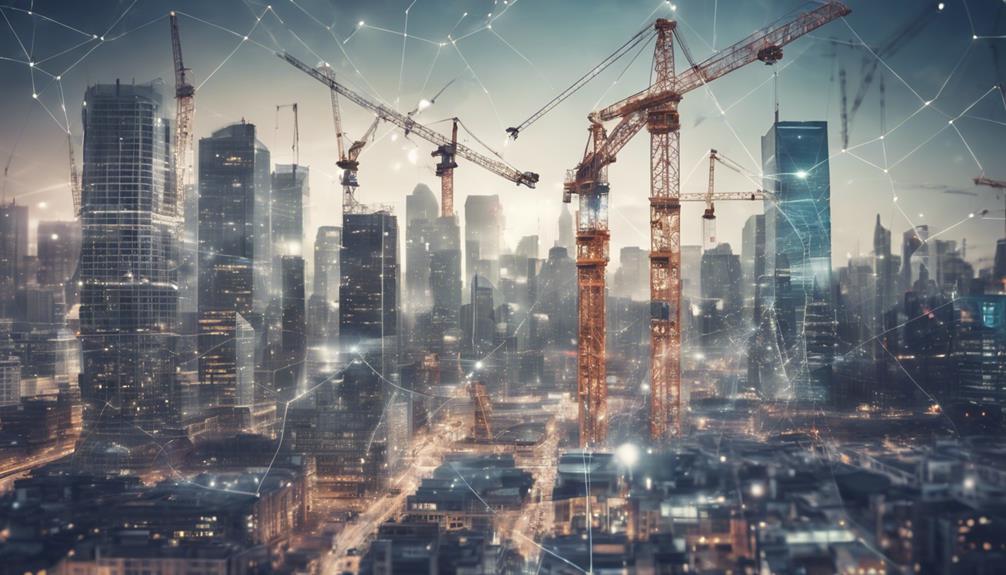
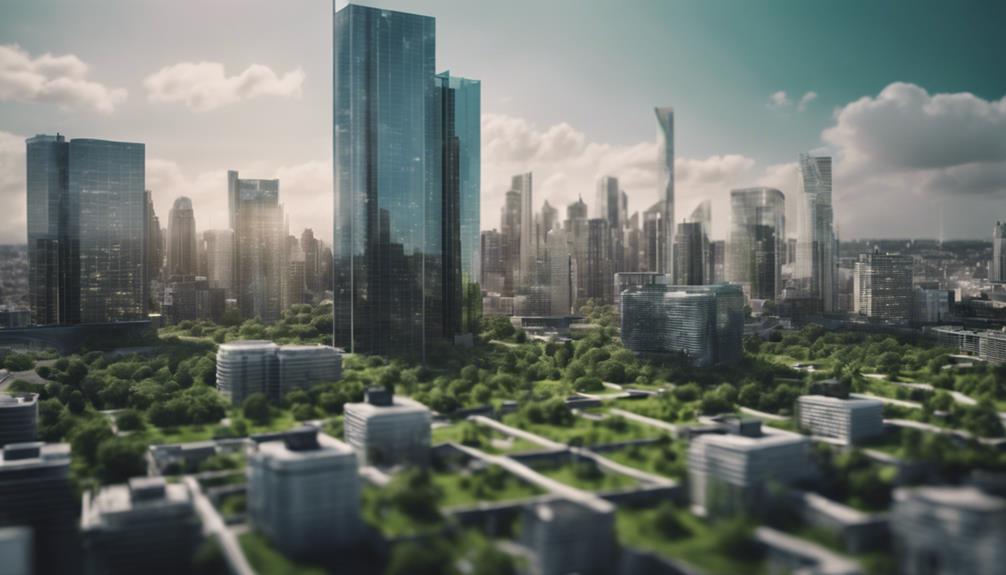
Urban migration's reshaping of commercial real estate trends is steering demand toward versatile and technology-ready spaces, leading to a rise in mixed-use properties in urban centers, and a notable shift in investment focus towards suburban areas where coworking spaces and vibrant social hubs are burgeoning. You'll notice rental prices are adjusting; they're increasing in thriving urban locales while potentially decreasing in areas with an outward migration. Office designs are evolving too, with more open layouts and a focus on well-being. These shifts aren't just nuances; they're critical for staying competitive. Discovering more about these trends gives you a strategic edge in decision-making.
Analyzing Demand Shifts in Urban Centers
In recent years, urban centers have witnessed significant shifts in demand for commercial real estate. As you've likely noticed, the landscape of city business districts is transforming. Traditional retail spaces and large office buildings aren't pulling in businesses like they used to. Instead, there's a surge towards mixed-use properties that combine residential, retail, and office spaces in one compact area. You're seeing more cafes, boutiques, and co-working spaces popping up, reflecting a preference for versatility and accessibility.
The shift isn't just about the types of buildings, but also their locations. You might find more enterprises setting up shop in suburban areas or smaller cities—not just the major urban hubs. This decentralization is partly due to changing work patterns, with more people working remotely and preferring to live and work outside traditional metropolitan centers.
Moreover, the tech industry's expansion has catalyzed a new wave of demand for innovative spaces. These businesses often look for properties that can support high-tech infrastructure, like advanced broadband capabilities and eco-friendly buildings. If you're in the market, you'd notice a growing emphasis on sustainability and technology-ready spaces, aligning with broader environmental and digital transformation trends.
Impact on Commercial Rental Prices
As urban migration shapes the commercial real estate landscape, rental prices inevitably adjust. You'll notice this particularly in thriving urban areas where the influx of both people and businesses drives demand higher. This heightened demand pushes rental prices up, affecting how you, as a business owner or investor, strategize around commercial real estate.
In cities experiencing significant urban migration, the competition for prime commercial spaces becomes fierce. You might find yourself bidding against multiple parties for a desirable location, leading to higher lease rates. This isn't just confined to retail spaces; it impacts all forms of commercial properties, including warehouses and special-purpose buildings.
However, it's not all upward trends. In areas where the migration is out of a particular part of the city, you may see rental prices decrease as buildings vacate and demand lessens. Here, opportunities arise for you to negotiate more favorable lease terms, possibly reducing your overhead significantly.
Understanding these dynamics allows you to better anticipate market changes and make informed decisions. Whether you're looking to lease, buy, or invest, keeping a pulse on how urban migration affects rental prices can be crucial to your success. Watch these trends closely—they directly influence your bottom line.
Changes in Office Space Design
Urban migration not only reshapes rental markets but also revolutionizes office space design. You've seen it firsthand. The influx of younger, tech-savvy professionals into cities has dramatically shifted what you expect from your workspace. It's no longer just about having a desk and a chair. Now, it's about creating environments that foster collaboration, flexibility, and wellness.
You'll notice more open floor plans that encourage interaction and teamwork. Gone are the days of high-walled cubicles; in their place, you find communal tables and spaces designed for comfort and productivity.
There's also a significant increase in the inclusion of natural elements. Plants, water features, and abundant natural light are now common, aimed at improving your well-being and, subsequently, your productivity.
Moreover, technology has been seamlessly integrated into these new designs. High-speed internet, wireless charging stations, and interactive whiteboards are just the start. You're living in an era where your office might also include VR zones for virtual meetings and AI-driven facilities management.
These changes aren't just cosmetic; they reflect a deeper understanding of how your environment affects your work output and satisfaction. Office designs are adapting fast, ensuring that your workspace isn't just a place to work, but a place to thrive.
Influence on Suburban Commercial Markets
You've seen how urban migration has transformed office spaces, and similarly, it's reshaping suburban commercial markets. As you watch the demographic shifts, it's clear that these migrations are influencing suburban landscapes profoundly. Retail spaces, for instance, are experiencing a renaissance as more people settle in the suburbs. This isn't just about more grocery stores or shopping centers; it's about a diversification of offerings. You're seeing more boutique shops, fitness centers, and specialty services that previously thrived primarily in urban settings.
Moreover, you'll notice a surge in coworking spaces in these areas. Suburban commercial markets are adapting as remote work becomes a staple. These spaces aren't only popping up but are also expanding their services to include conference rooms, tech hubs, and networking event areas to cater to a scattered workforce that prefers not to commute but requires office amenities.
Additionally, the restaurant sector in the suburbs is transforming. With more residents and higher demand, you're seeing an uptick in both chain and independent eateries, broadening dining options beyond the typical suburban fare. This shift is creating vibrant social hubs that were once exclusive to city centers, making the suburbs more appealing and lively.
Shifts in Investment Strategies
With growing suburban development, savvy investors are shifting their focus from traditional urban properties to those in burgeoning suburban areas. You're now seeing a trend where the promise of higher returns and lower risk beckons. As you adjust your portfolio, consider the rising demand for mixed-use spaces in these suburbs, driven by a younger demographic seeking the urban vibe without the city chaos.
You should also note the increased interest in sustainability and technology. Properties that offer green certifications and tech-friendly amenities aren't just a fad; they're becoming a necessity. You'll find that investing in buildings with energy-efficient systems and robust digital infrastructure could set you apart in a competitive market.
Moreover, don't overlook the importance of flexibility in commercial spaces. With the nature of work evolving, spaces that can be easily adapted to different uses are becoming more appealing. Think about properties that could switch from offices to co-working spaces or event venues with minor adjustments.
This strategic pivot isn't just about following the crowd. It's about anticipating needs and staying ahead. As you refine your investment strategy, remember that understanding these shifts can lead to substantial growth and resilience in your real estate endeavors.
Future Predictions for Urban CRE
Looking ahead, three major trends will likely reshape the landscape of urban commercial real estate (CRE).
First, you'll see a surge in adaptive reuse projects. As preferences shift away from traditional office spaces, developers are turning old buildings into mixed-use properties, blending retail, office, and residential spaces. This isn't just a trend; it's a necessity, driven by the changing demands of city dwellers and businesses alike.
Secondly, technology will play a pivotal role. You can expect smart buildings equipped with IoT devices to become the norm rather than the exception. These buildings will offer enhanced efficiency, security, and comfort, attracting tech-savvy tenants and investors focused on future-proof properties.
Lastly, sustainability will move from an optional feature to a compulsory one. In response to increasing environmental concerns, urban CRE will have to adhere to stricter sustainability standards. Green buildings, energy-efficient designs, and eco-friendly materials will dominate new developments and retrofits.
These shifts suggest that you'll need to stay agile. Whether you're investing in, developing, or managing urban CRE, staying ahead of these trends will be crucial for your success. Keep an eye on these developments—they're not just predictions; they're the blueprint for the future of urban CRE.
Conclusion
As you've seen, urban migration significantly shapes commercial real estate trends. The rising demand in urban centers boosts commercial rental prices and reshapes office space design. It's also spilling over into suburban markets, altering investment strategies. Stay ahead of the curve by understanding these shifts. Keep an eye on how these trends evolve, as they'll undoubtedly influence your decisions whether you're investing, developing, or simply observing the landscape of urban commercial real estate.
Related articles: Impact of City Migration on Commercial Real Estate Trends · Navigating Retail Space Challenges in Economic Downturns · 5 Trends Shaping Retail Spaces in Economic Downturns