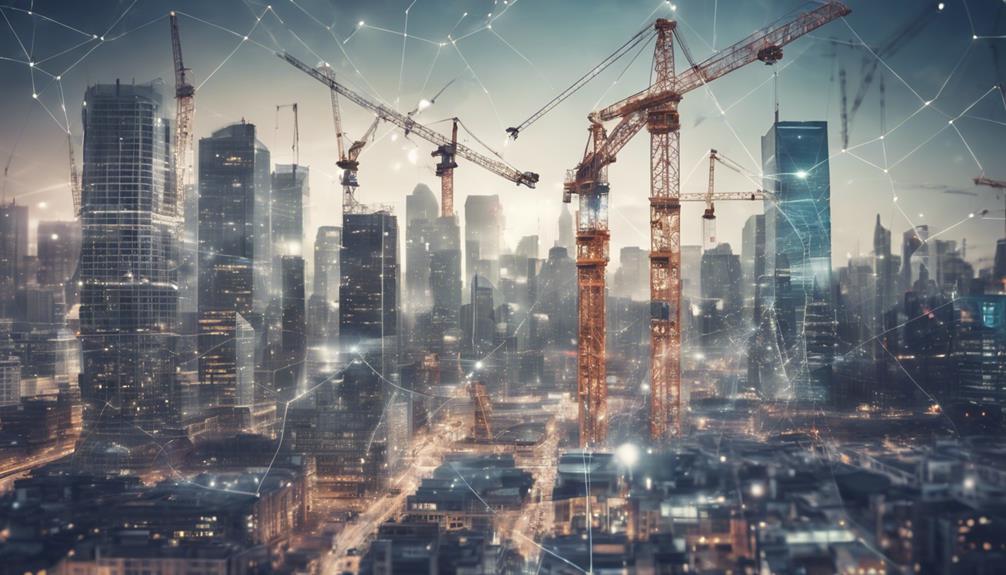
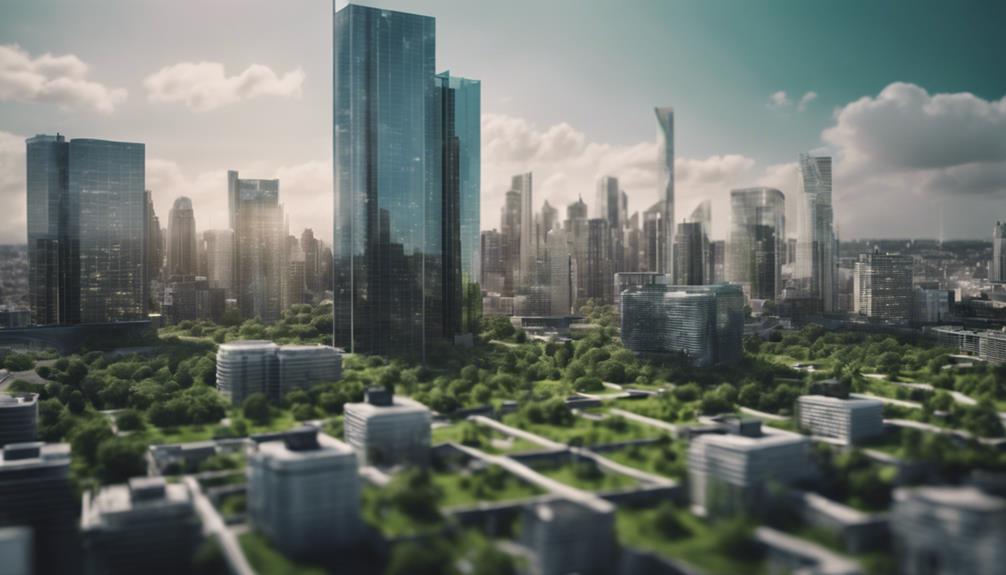
As you look into the impact of city migration on commercial real estate trends, you'll notice a significant shift towards suburban and secondary markets. High living costs and congestion in urban centers are pushing businesses and residents outward, sparking a surge in demand for office spaces in less congested, more affordable areas. This decentralization is accompanied by a need for flexible workspaces and advanced technological infrastructures, making these emerging markets increasingly attractive for new and relocating companies. The rise in value of commercial properties in these areas contrasts with dips in traditional urban centers. Understanding these trends offers you insights into future opportunities and challenges, encouraging further exploration into the evolving landscape of commercial real estate.
Analyzing Urban Migration Patterns
As cities evolve, so do their migration patterns. You've likely noticed how new developments and economic opportunities can attract a flood of people to urban areas. Conversely, factors like high living costs and congestion drive residents to either suburban or smaller urban centers. This constant ebb and flow reshape not just the skyline but also the demographic fabric of cities.
You might find it fascinating how these shifts influence local businesses. As different demographics move in, the types of services and products in demand change, prompting businesses to adapt or relocate.
For instance, a surge in a younger population might increase the demand for tech hubs, trendy cafes, and coworking spaces, altering the commercial landscape.
Moreover, the introduction of improved transportation options can redirect migration flows within a city. Improved subway lines or bike paths can make previously less accessible areas more attractive, pulling crowds and businesses towards these new hotspots.
Thus, staying informed about these migration trends is crucial for investors and businesses aiming to capitalize on the dynamic urban landscapes. Your understanding of these patterns might just be the key to spotting the next big opportunity or avoiding a potential downturn.
Demand Shifts in Office Rentals
Recent urban migration trends have significantly reshaped demand for office rentals. You've likely noticed more businesses relocating to suburban and secondary city markets, driven by shifting workforce dynamics. This decentralization has led to a surprising surge in demand in these areas, while traditionally dominant business hubs see a softening in their markets.
As you're considering where to invest or establish your business, it's essential to look at where people are moving. Remote work hasn't only persisted but expanded, influencing when and how office spaces are used. Companies are now seeking flexible office formats—spaces that can adapt for hybrid work models, which combine remote and in-office activities.
You should also think about the amenities these new office renters are seeking. Proximity to residential areas, ease of access, and enhanced technological infrastructures are top priorities. Moreover, the appeal of less congested, more affordable locales is pulling businesses away from city centers.
To stay competitive, consider how your properties can meet these new demands. Are you equipped to offer flexible lease terms? Do your office spaces provide the high-speed internet capabilities required for seamless digital work? Adapting to these shifts isn't just beneficial; it's necessary to thrive in the evolving commercial real estate landscape.
Impact on Commercial Property Values
The shifting landscape of urban migration has inevitably knocked down commercial property values in traditional city centers while boosting them in suburban and secondary markets. If you've invested in downtown skyscrapers or retail spaces, you might've noticed the dip. This isn't just about fewer people; it's about changing preferences and where businesses see their future growth.
On the flip side, if you're looking at properties in the suburbs or smaller cities, you're likely seeing a different story. These areas are becoming hotspots for commercial growth. As companies adapt to new demands, these markets offer lower costs and often, more space. This makes them increasingly attractive not just for startups but also for established businesses looking to expand or relocate.
What does this mean for you? Well, it's time to rethink your strategy. If you're holding onto urban properties, consider how you can make them more appealing or whether it's time to divest. Meanwhile, exploring opportunities in rising markets could be a smart move. Keep an eye on infrastructure developments and local economic policies—they'll be key indicators of where the next commercial hubs are likely to emerge. Don't miss out on the chance to get ahead of the curve.
Changes in Workplace Design Needs
Shifting workplace dynamics have significantly altered the design needs of commercial spaces. As you've likely noticed, the influx of workers into new urban areas demands innovative design solutions that cater to a diverse and dynamic workforce. Open floor plans aren't just trendy; they're now a staple in modern office layouts.
You've got to think about collaboration spaces, quiet zones, and flexible workstations that can adapt to the ever-changing needs of your team.
Moreover, the integration of technology has become paramount. It's not just about having fast internet anymore. You need smart conference rooms, high-tech hubs, and areas specifically designed for video conferencing to ensure seamless global connectivity.
Sustainability is another key factor you can't ignore. Eco-friendly materials and energy-efficient designs aren't just good for the planet—they're also increasingly demanded by tenants.
You'll find that more natural light, better air quality, and temperature controls not only save costs in the long run but also boost worker satisfaction and productivity.
Influence on Local Economy Growth
Fueled by the migration of diverse businesses and professionals into city centers, local economies are experiencing robust growth. You're witnessing a transformation where increased employment opportunities naturally follow the influx of companies setting up shop in urban areas. This isn't just about job creation; it's about the quality and diversity of these opportunities. Industries such as tech, finance, and creative sectors are booming, leading to a wide range of specialized roles that cater to your unique skills and interests.
Moreover, you'll see a rise in your local spending power. As more people move in, there's a higher demand for services and retail, boosting sales for local businesses from cafes to boutiques. This isn't merely a temporary surge; it's a sustainable boost to the economy that benefits everyone involved.
Not to forget, the increased population density leads to enhanced public infrastructure and services. Your public transportation becomes more efficient, streets are better maintained, and even public safety improves. All these factors combine to elevate the quality of life, making your city not just a place to work, but a vibrant community to live in.
Emerging Hotspots for Investors
As local economies grow and diversify, savvy investors are turning their attention to emerging hotspots within city centers. You're noticing that areas previously overlooked are now bustling with new businesses, boutique shops, and cultural hubs. This shift isn't just a trend; it's a goldmine for those who can spot potential early.
You've seen that traditional commercial districts are expanding, making room for innovative hubs where startups and tech companies thrive. These areas, often adjacent to major transport links, are increasingly attractive due to their connectivity and modern infrastructure.
You're eyeing properties that offer flexible office spaces and amenities that appeal to a dynamic workforce, which in turn draws more foot traffic and boosts property values.
Moreover, as you delve deeper, you're finding that mixed-use developments are particularly enticing. These complexes combine residential, office, and retail spaces, creating a micro-economy of their own. Investing in such properties means you're not just betting on one type of market but are diversifying your portfolio within a single location.
Future Projections for Urban Centers
Nearly every major urban center is poised for transformative growth over the next decade. As you look ahead, you'll see these cities adapting to the increasing demands of a growing population and evolving industries.
You're likely to witness a surge in construction of multifunctional buildings that seamlessly integrate residential, commercial, and recreational spaces. This isn't just about expanding upward but also about smarter, more sustainable urban planning.
You'll notice a growing emphasis on technology and infrastructure that supports remote work—a trend that's here to stay. Cities are expected to invest heavily in digital connectivity to attract businesses that prioritize flexibility and innovation. This shift will reshape the commercial real estate market, emphasizing locations that cater to tech-savvy companies and professionals.
Moreover, as you navigate these urban landscapes, you'll encounter enhanced public transportation systems designed to meet the environmental and efficiency standards of tomorrow. This won't only ease commuting but also increase the value of properties located near these hubs.
Conclusion
As you've seen, urban migration significantly shifts commercial real estate trends. Office rentals are adapting, property values are evolving, and workplace designs are transforming. This migration fuels local economies and creates new investment opportunities in emerging hotspots. Looking ahead, expect these urban centers to continue evolving. Stay informed and agile—these changes offer exciting prospects for savvy investors and businesses ready to capitalize on the dynamic landscape of urban commercial real estate.
Related articles: Navigating Retail Space Challenges in Economic Downturns