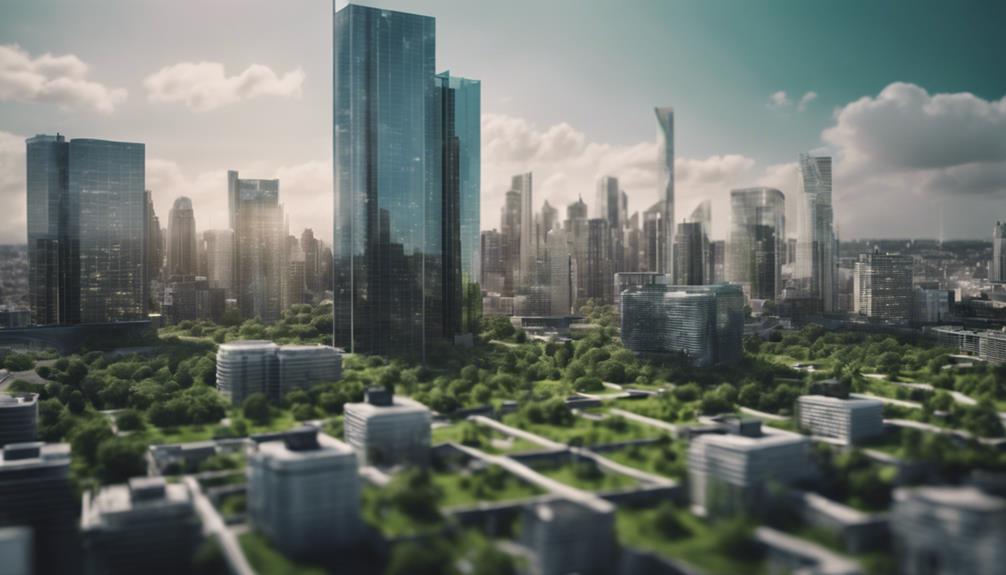
As you explore recovery trends in commercial real estate, you'll find suburban markets flourishing as businesses tap into local talent pools, shifting demands fueled by e-commerce that prioritize logistics properties near transport hubs, and a strong push for sustainability with developments embracing green designs. Additionally, there's a rise in flexible workspaces catering to dynamic business needs and medical real estate expansions driven by health sector demands. Each of these trends offers unique opportunities and challenges, setting the stage for transformative strategies in your investment decisions. Exploring further, you'll uncover deeper insights into how these trends could shape your next moves in the commercial real estate arena.
Shift Towards Suburban Markets
The shift toward suburban markets marks a pivotal change in commercial real estate dynamics. As you've noticed, the bustling city centers aren't the only places booming anymore. Suburbs are quickly becoming hotspots for new offices, retail spaces, and business hubs. This isn't just about cheaper land; it's about meeting the changing preferences of a workforce that's increasingly valuing quality of life, shorter commutes, and lower costs of living.
You'll see more companies setting up shop in these areas, not just for the lower overheads but also to tap into the growing pool of suburban professionals. The migration isn't one-sided either. As businesses move, they stimulate local economies, creating a demand for more amenities – restaurants, shopping centers, and entertainment venues. This, in turn, attracts more residents and further boosts real estate values.
For you, this means a shift in investment strategies. It's wise to keep an eye on emerging suburban markets. They offer growth opportunities that city centers mightn't anymore. Plus, the expansion isn't just about retail and office spaces; look for developments in mixed-use properties which combine residential, commercial, and leisure facilities, rounding out the appeal to a broader demographic.
Rise of E-commerce Impact
While suburban markets continue to attract investment, the rise of e-commerce has reshaped the landscape of commercial real estate across all areas. You've likely noticed fewer bustling shopping malls and more giant warehouses on the outskirts of cities. This shift isn't just a trend; it's the new reality. As you adapt to this change, consider how significantly e-commerce has altered the demand for different types of spaces.
Retail spaces are transforming; you're seeing a shift from traditional storefronts to distribution centers and pickup locations. This means that while you might invest less in retail properties in conventional hotspots, there's a growing opportunity in industrial properties. These spaces are crucial for logistics, serving as hubs for storage, sorting, and distribution. Your focus should pivot towards areas with excellent transport links.
Moreover, the rise of e-commerce doesn't just influence the types of properties in demand but also where these properties are located. Proximity to major highways and urban centers has become more critical than ever. You might find that areas previously overlooked are now prime real estate.
As you plan your next move, think about accessibility and connectivity, as these factors are paramount in the e-commerce era.
Focus on Sustainability Practices
Sustainability practices are becoming a cornerstone of strategic planning in commercial real estate. You're witnessing a shift where green buildings and eco-friendly designs aren't just add-ons but essential components of development projects. This focus isn't just about reducing carbon footprints; it's also about creating spaces that enhance tenant well-being and reduce operational costs.
You'll see more buildings achieving LEED certification and using ENERGY STAR appliances. Solar panels, energy-efficient lighting, and smart HVAC systems are becoming the norm, not the exception. These features not only attract environmentally conscious tenants but also offer long-term savings on utility bills.
Moreover, you're now part of a market that values resource conservation. Water recycling systems and green roofs are increasingly popular, reflecting a commitment to sustainable water and energy use. These systems don't just lower expenses; they also appeal to a growing demographic of tenants and investors who prioritize environmental stewardship.
As you adapt to these changes, consider the broader impacts of your investment decisions. Sustainable practices can enhance property values and attract premium tenants. Moving forward, your focus on sustainability isn't just good for the planet—it's a savvy business strategy that sets you apart in a competitive market.
Increase in Flexible Workspaces
Many commercial real estate developers are now integrating flexible workspaces into their portfolios, responding to a clear shift in work culture. You've probably noticed more coworking spaces popping up in your city. This isn't just a trend; it's a response to the growing demand for versatility in the professional environment.
As you explore these new spaces, you'll find they're designed to support various working styles and needs. Whether you're a freelancer who craves community or a startup needing an adaptable office setup, flexible workspaces offer you the freedom to choose how, when, and where you work.
They come equipped with high-speed internet, conference rooms, and often, amenities like cafes and fitness centers.
Moreover, these spaces aren't just about physical flexibility. They're about financial flexibility too. You're no longer tied down by long-term leases, which means you can scale your workspace up or down as your business evolves.
This adaptability is crucial in today's fast-paced, ever-changing business landscape.
Embracing this model could significantly impact your operational dynamics and cost structures. It's worth considering how flexible workspaces can fit into your strategic planning, potentially leading to increased productivity and reduced overheads.
Growth in Medical Real Estate
The medical real estate sector is experiencing robust growth, driven by an aging population and increased healthcare demands. You'll find that this trend is reshaping the landscape of commercial real estate significantly.
As hospitals and healthcare systems expand to meet these demands, there's a surge in the development of specialized facilities such as urgent care centers, outpatient clinics, and wellness centers. These aren't just popping up in traditional healthcare hubs; they're spreading into suburban and rural areas, where services were previously limited.
Investing in medical real estate isn't just about building new facilities. It's also about adapting existing spaces to meet stringent healthcare standards, which include advanced technological requirements and enhanced patient privacy protections.
You're seeing more real estate developers partnering directly with healthcare providers to create spaces that aren't only functional but also conducive to healing.
Moreover, the rise in telemedicine is influencing medical real estate too. While it might seem counterintuitive, the need for smaller, tech-enabled spaces for virtual consultations is growing, and these spaces still require physical locations that support secure and private digital communication.
Conclusion
As you navigate the evolving commercial real estate landscape, remember these key trends: suburban markets are becoming hotspots, e-commerce continues to reshape retail spaces, sustainability is becoming non-negotiable, flexible workspaces are on the rise, and medical real estate is expanding rapidly. These insights should guide your investment choices and operational strategies, ensuring you stay ahead in a recovering market. Embrace these changes to secure your place in the future of commercial real estate.
Related articles: What Does Urban Migration Mean for Commercial Spaces? · How Urban Migration Influences Office Space Markets · 10 Ways Urban Migration Reshapes Commercial Real Estate