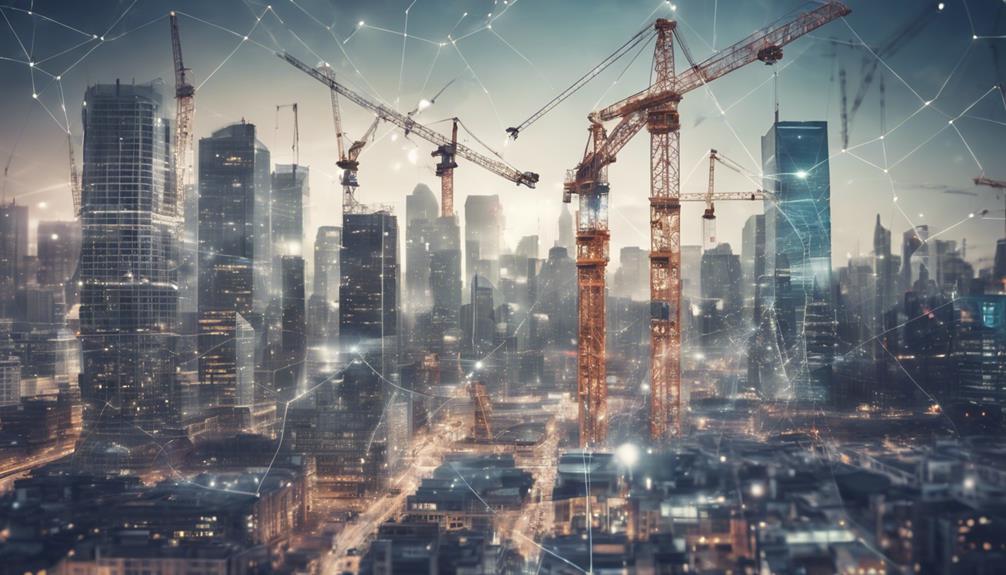
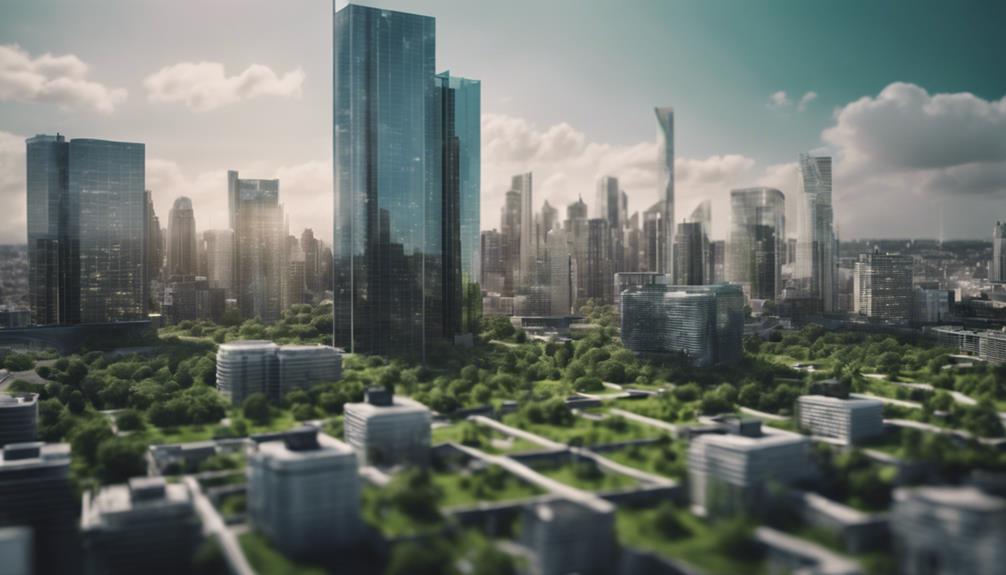
Urban migration is reshaping how you experience commercial spaces in city centers. This shift drives a rising demand for smaller, flexible office layouts closer to residential areas, pushing rental prices higher in prime locations. You're seeing an increase in multipurpose buildings that blend work, retail, and leisure, emphasizing sustainability and well-being. The move towards greener, more adaptable work environments caters to a crowd that values innovation and collaboration. This evolution in urban spaces not only boosts local economies but also sparks new investment opportunities and risks. Exploring this dynamic further can offer valuable insights into future trends and decision-making strategies in urban development.
Shifts in Demand for Office Spaces
As urban migration patterns evolve, the demand for office spaces is shifting dramatically. You're seeing businesses rethink their physical presence in cities, as employees increasingly adopt remote or hybrid work models. This change isn't just about fewer people in the office; it's about what kind of space companies need when they do gather.
Traditionally, large, centralized offices were the norm, often in the heart of major cities. Now, you might notice a trend toward smaller, more flexible workspaces. These aren't necessarily in prime urban centers but can be in more residential areas where employees live, reducing commute times and contributing to a better work-life balance.
Moreover, companies are prioritizing office environments that foster collaboration and innovation when in-person interaction is most needed. This means spaces with advanced technological setups for seamless digital and physical integration, areas for socializing, and adaptable meeting rooms.
You'll find that businesses are also considering the environmental impact of their office spaces. There's an increased demand for buildings that support sustainability with energy-efficient systems and green spaces. This shift reflects a broader change in how companies view their role in the urban landscape, aligning their operational needs with their strategic goals and employee well-being.
Impact on Rental Prices
Over time, the shifts in demand for office spaces have notably influenced rental prices in urban areas. As you've seen, a surge in urban migration often leads to increased demand for commercial properties. This can significantly drive up rental costs. In cities where space is already at a premium, you might find that rental prices jump sharply as businesses compete for prime locations.
Conversely, in areas experiencing a dip in demand, perhaps due to economic downturns or shifts in industry predominance, rental prices can soften. You may notice landlords offering more concessions or reduced rates to attract tenants. This variability means you've got to stay sharp and informed to snag the best deals.
As businesses adapt to changing demographics and economic climates, the ripple effect on rental prices can be substantial. If you're looking at entering or expanding in urban markets, you'll need to weigh these fluctuations. Consider how the timing of your move and the specific location within the city could affect your rental costs.
Ultimately, understanding these dynamics is crucial for making informed decisions that align with your business strategy and budget. Keep a close eye on urban migration trends—they're key indicators of what's to come in the commercial real estate market.
Changes in Space Utilization
Urban migration not only impacts rental prices but also changes how spaces are utilized. As more people move into cities, you'll notice a shift in the functionality of commercial spaces to meet diverse needs. For example, where large department stores once dominated, you now see multipurpose buildings with retail, offices, and residential units all under one roof. This adaptability allows for more efficient use of space and caters to a broader range of activities throughout the day.
You're also seeing an increase in shared workspaces. As the workforce becomes more flexible, these communal areas provide not just a desk or office, but a dynamic environment conducive to networking and collaboration. It's not just about having a place to work; it's about being part of a community that enhances productivity and creativity.
Moreover, there's a growing trend towards green spaces within commercial areas. Rooftop gardens and indoor parks offer urban dwellers a breath of fresh air, literally and figuratively. These green spaces aren't only aesthetically pleasing but also promote well-being, making commercial buildings more attractive to tenants and visitors alike.
As urban centers evolve, so too does the landscape of commercial real estate, continuously adapting to the changing demands of city life.
Influence on Local Economies
The evolving landscape of commercial real estate, driven by urban migration, significantly bolsters local economies. As you witness cities swelling with newer populations, the demand for diverse commercial spaces—shops, cafes, offices, and cultural centers—increases. This surge isn't just about filling spaces; it's about creating jobs and stimulating economic activity. Every new store or office that opens its doors usually means more local employment and an uptick in spending power within the community.
Moreover, the influx of businesses and consumers can lead to an enhanced infrastructure as local governments invest in better roads, utilities, and public services to accommodate the growing population. Such improvements further attract new businesses and residents, setting off a positive cycle of economic growth.
You'll notice that property values tend to rise in these bustling urban hubs. Landlords and property owners see an increase in rental income as demand for prime location spaces grows. This isn't merely a boon for real estate investors; it spreads through the economy, increasing wealth and spending.
Thus, urban migration doesn't just reshape city landscapes—it revitalizes them, proving a powerful catalyst for economic dynamism and community development.
Trends in Commercial Development
Shifting trends in commercial development reflect the dynamic changes brought about by increased urban migration. As you observe cities expanding, you'll notice a significant transformation in how commercial spaces are utilized. The rise of mixed-use properties is one of the most prominent trends. These complexes combine residential, retail, and office spaces, catering to the needs of a denser urban population.
You're seeing fewer traditional shopping malls and more integrated facilities that offer convenience and accessibility.
Additionally, there's a shift towards sustainability in commercial construction. Developers are increasingly incorporating green technologies, like energy-efficient systems and environmentally friendly materials. This isn't just about saving the planet; it's also about attracting eco-conscious consumers and businesses.
You'll also find that repurposing older buildings has become a popular trend. Instead of demolishing outdated structures, developers are transforming them into vibrant commercial hubs. This approach preserves historical aesthetics while supporting modern commercial activities.
As you explore these evolving urban landscapes, it's clear that the way commercial spaces are developed is adapting to new consumer behaviors and preferences. The focus is on creating environments that aren't only functional but also appealing and sustainable.
Future of Workplace Design
As workplace design evolves, you'll see a shift towards spaces that promote both productivity and wellbeing. The focus isn't just on open floor plans anymore, but on creating environments that feel supportive and energizing. You'll notice more natural light, plants, and areas dedicated to relaxation and social interaction. These elements aren't just aesthetically pleasing; they're crucial for mental health and overall job satisfaction.
Moreover, as you adapt to new norms, expect technology to play a bigger role. Smart offices will become the standard, with IoT devices automating everything from lighting to climate control, tailored to individual preferences and operational efficiency. This isn't just about saving energy; it's about creating an environment where you can work your best.
You'll also find that flexibility becomes a cornerstone of office design. With more people demanding work-life balance, offices will need to accommodate various working styles and hours. This might mean adjustable workstations, collaborative spaces that can be easily reconfigured, and quiet zones for deep focus.
Understanding these trends, you can anticipate a workplace that not only looks good but also enhances the way you work and feel. These aren't just offices; they're productivity hubs tailored for future needs.
Investment Opportunities and Risks
Understanding the evolving landscape of workplace design offers a clear perspective on where to direct your investments in commercial real estate. As urban migration intensifies, cities are teeming with opportunities to capitalize on new office formats and mixed-use developments. You'll find that investing in areas with growing populations can yield significant returns as demand for innovative workspaces increases.
However, you've got to be mindful of the risks. Economic fluctuations can swiftly alter market dynamics, making some of your investments vulnerable. It's crucial you're not just following trends but also analyzing long-term sustainability. Diversifying your portfolio across different types of commercial properties and geographic locations can mitigate some of these risks.
Moreover, consider the impact of remote work trends. Areas that adapt to hybrid models may prove more resilient, offering spaces that cater to both traditional and remote workers. This adaptation can enhance the attractiveness of your investments.
Don't overlook the importance of location and tenant quality. Properties in prime locations generally retain value better, even during downturns. High-quality tenants can also ensure steady rental income. By carefully selecting where and whom you invest with, you'll navigate the potential pitfalls more effectively, securing your financial interests in this shifting landscape.
Conclusion
As you've seen, urban migration profoundly impacts commercial spaces. Office demands are shifting, rental prices are fluctuating, and space utilization is evolving. This trend affects local economies and steers commercial development in new directions. Looking ahead, the design of workplaces will adapt to these changes, offering you fresh investment opportunities and risks. Keep an eye on these trends, as they will guide your decisions and potentially shape your success in the evolving urban landscape.
Related articles: How Urban Migration Influences Office Space Markets · 10 Ways Urban Migration Reshapes Commercial Real Estate · How Urban Migration Transforms Office Space Demand: 3 Steps