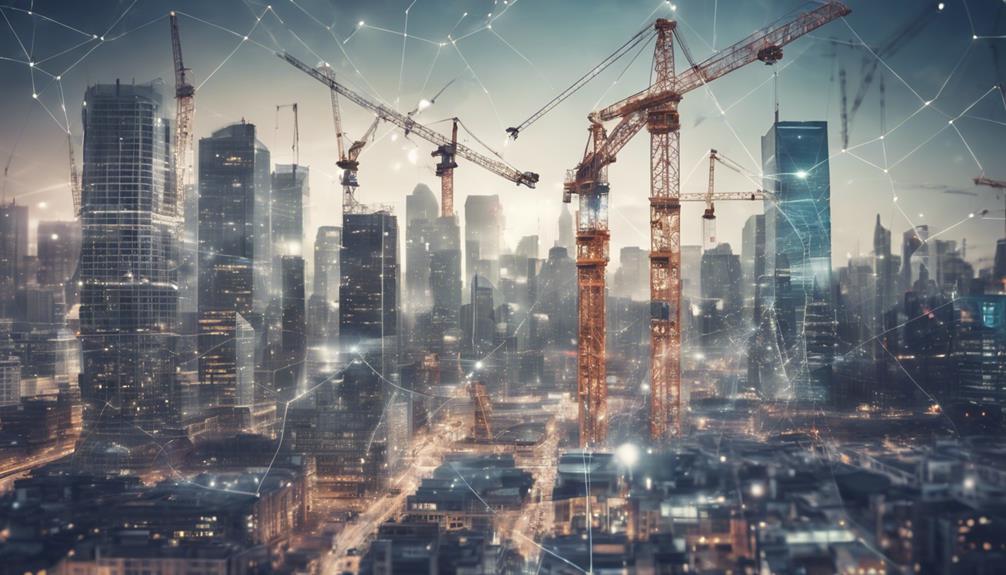
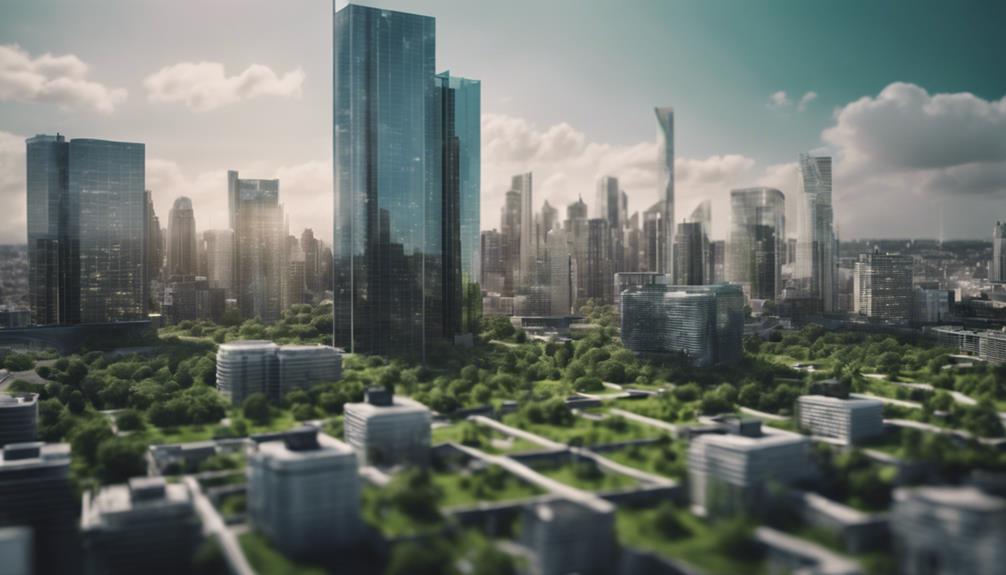
The landscape of commercial real estate is changing dramatically post-pandemic, and you're right at the heart of these shifts. With more businesses embracing remote work, there's less demand for traditional office spaces, leading to increased vacancies in urban areas. Simultaneously, e-commerce's rise has reduced the need for large retail spaces, prompting a pivot towards experiential and pop-up store formats. Moreover, there's a noticeable migration from city centers to suburbs as companies and individuals seek more space and mixed-use environments. These trends are reshaping how spaces are utilized, offering you new opportunities and challenges. It's crucial to understand these dynamic changes as they unfold around you.
Shift to Remote Work
In the wake of the pandemic, businesses large and small have pivoted towards remote work, fundamentally reshaping the landscape of commercial real estate. You've likely noticed the empty office buildings in downtown areas, a stark reminder of how rapidly work habits have changed. This shift isn't just a temporary blip; it's a profound transformation that's here to stay.
As you adapt to these changes, you'll see more companies downsizing their physical offices or abandoning them altogether. The demand for traditional office spaces has plummeted, forcing real estate developers to think creatively. Many are converting office buildings into residential units, mixed-use properties, or co-working spaces to meet the changing needs.
You might wonder what this means for your investments or career in real estate. It's crucial to stay ahead of the curve, focusing on flexibility and innovation. Adaptability in your strategies will be key, as the market continues to evolve.
Keep an eye on urban planning trends and be ready to pivot your focus towards properties that support a more digital, mobile workforce. This isn't just a phase; it's the future of work and living spaces, reshaping your approach to commercial real estate investments.
E-commerce Influence on Retail Space
Just as the shift to remote work has transformed office spaces, the rise of e-commerce has significantly impacted retail real estate. You've seen traditional shopping malls and storefronts face closures or shifts in their business models.
It's a landscape where brick-and-mortar shops aren't just places to buy products but are becoming experiential centers designed to complement online shopping.
You're witnessing a transformation where retail spaces focus more on providing experiences that can't be replicated online. These include interactive displays, in-store exclusives, and lifestyle-oriented activities that encourage you to visit and stay longer.
The goal is to integrate physical shopping with the convenience of online platforms, creating a seamless customer journey from digital browsing to physical purchasing.
Moreover, some retailers have downsized their floor space as they shift inventory largely online, reducing overhead costs and focusing on high-impact areas within their stores. This strategy allows you to engage more deeply with the brand in a curated environment.
Pop-up stores are also becoming more prevalent, offering you a temporary, immersive shopping experience that can test new markets without full-scale investment.
As e-commerce continues to evolve, so too will your retail experiences, blending the digital and physical worlds even more seamlessly.
Changes in Urban Vs. Suburban Demand
Shifting demographics and work habits are reshaping demand in urban and suburban real estate markets. You're seeing a significant tilt, where once bustling city centers are facing stiffer competition from suburban locales. This shift is largely driven by the increased flexibility of remote work, allowing you to choose where you live based on lifestyle preferences rather than office proximity.
Suburban areas, traditionally seen as residential retreats, are now hotbeds for new commercial developments. You're witnessing more mixed-use projects that blend retail, office, and residential spaces, catering to a crowd that prefers minimal commuting. These areas offer larger spaces and generally lower costs, both for developers and tenants, which is especially appealing in a post-pandemic economy seeking recovery and sustainability.
Contrastingly, urban demand hasn't vanished but it's transforming. Cities are adapting, with a strong focus on creating more livable, walkable communities. You might notice an uptick in urban projects that aim to enhance quality of life, such as more green spaces and improved public amenities, to attract residents and businesses back.
Understanding these dynamics, you can better anticipate the commercial real estate landscape and make informed decisions whether you're investing, developing, or planning your next move.
Office Space Redesign and Reuse
As you explore the evolving landscape of commercial real estate, consider how office spaces are being creatively redesigned and repurposed. The once typical maze of cubicles and corner offices is giving way to flexible workspaces that cater to hybrid work models.
You'll find that many companies are transforming traditional setups into collaborative spaces that encourage teamwork while also incorporating quiet zones for focused tasks.
These redesigned spaces aren't just about aesthetics; they're practical, too. With the rise of remote work, office footprints are shrinking. This shift allows businesses to save on overhead costs while investing in technology and design elements that enhance productivity and employee satisfaction.
You're seeing more green spaces, wellness centers, and even mixed-use areas that include retail and leisure facilities within these office environments.
Landlords are also getting in on the action. They're repurposing entire buildings to offer a mix of uses that appeal to a broader audience, including residential units and hospitality services.
This approach can increase the value of properties by diversifying income streams and reducing vacancy rates. It's clear that as you navigate this new terrain, the opportunities for innovative real estate solutions are vast and varied.
Impact of Economic Recovery Speed
Many factors influence the speed of economic recovery, significantly impacting the commercial real estate market. As you're navigating this landscape, it's crucial to understand how these dynamics play a role in shaping opportunities and risks.
If the economy bounces back quickly, you'll notice a surge in demand for commercial spaces, as businesses expand and consumer confidence returns. However, a slower recovery might prolong the challenges, keeping the demand low and impacting rental incomes.
You need to keep your eye on sectors that are rebounding faster. For instance, tech and healthcare are rapidly growing, potentially increasing their real estate footprint. Conversely, industries like retail and hospitality might lag, affecting properties dependent on these sectors. This uneven recovery could lead to opportunities in converting spaces for more resilient industries.
Moreover, consider how regional economic recoveries affect local real estate markets. Areas with robust economic growth will likely see their commercial real estate markets thrive. In contrast, regions where recovery is sluggish may face continued vacancies and declining property values.
Understanding these nuances allows you to better strategize your investments, ensuring you're aligning with sectors and regions poised for growth, rather than those stuck in a slow recovery loop.
Investment and Interest Rate Fluctuations
Interest rates significantly influence your investment decisions in commercial real estate. As an investor, you're always monitoring these rates because they dictate borrowing costs and can profoundly impact the yield on your investments. When rates are low, your potential to secure affordable financing increases, encouraging you to expand your portfolio.
Conversely, when rates rise, you might find yourself hesitating, recalculating the risk versus the return, which could lead to postponing purchases or divesting from certain assets.
In the post-pandemic landscape, this dynamic has been particularly volatile. Central banks around the world have adjusted policies in response to economic pressures, causing frequent fluctuations in interest rates. For you, this means staying exceptionally alert and responsive. It's not just about the current rate but anticipating where they're headed next.
You've got to adapt your strategies accordingly. Perhaps you're locking in rates with fixed-rate mortgages on properties you deem profitable long-term. Or maybe you're exploring more liquid investments that allow you to pivot as rates change. Either way, you're balancing on a tightrope, where every percentage point swing in interest rates could mean significant financial implications for your portfolio.
Sustainability and Green Building Trends
Sustainability trends are reshaping the landscape of commercial real estate, pushing you to consider green building practices more seriously than ever before. Today, you're not just choosing materials and methods that minimize environmental impact; you're also looking at long-term savings and enhanced asset value that sustainable buildings offer. Features like energy-efficient systems, solar panels, and green roofs aren't just add-ons; they're integral to building designs that meet current demands.
You're seeing a shift where tenants and investors prioritize sustainability. They're more likely to choose properties with better energy ratings and lower carbon footprints. This isn't just about preference; it's about performance and profit. Buildings with green certifications often command higher rents and show lower vacancy rates. They're also at a lower risk of becoming obsolete as environmental regulations tighten.
Furthermore, innovative technologies in smart building and renewable energy sources are becoming more accessible and affordable. This means you can implement these solutions without a prohibitive cost barrier. As you adapt to these trends, you're not only contributing to a healthier planet but also positioning yourself competitively in a market that increasingly values sustainability. Embracing these trends isn't just good practice; it's essential for future-proofing your investments.
Conclusion
You've seen how the post-pandemic world is reshaping commercial real estate. As you adapt to more remote work, consider how e-commerce is reducing the need for traditional retail spaces. Whether you're investing in urban or suburban properties, rethink your strategies in light of these shifts. Remember, the pace of economic recovery and interest rate changes will impact your decisions. Embrace sustainability and innovative office designs to stay ahead. It's crucial to align your investments with these evolving trends.
Related articles: Post-Pandemic Boom: Revolutionizing Commercial Real Estate