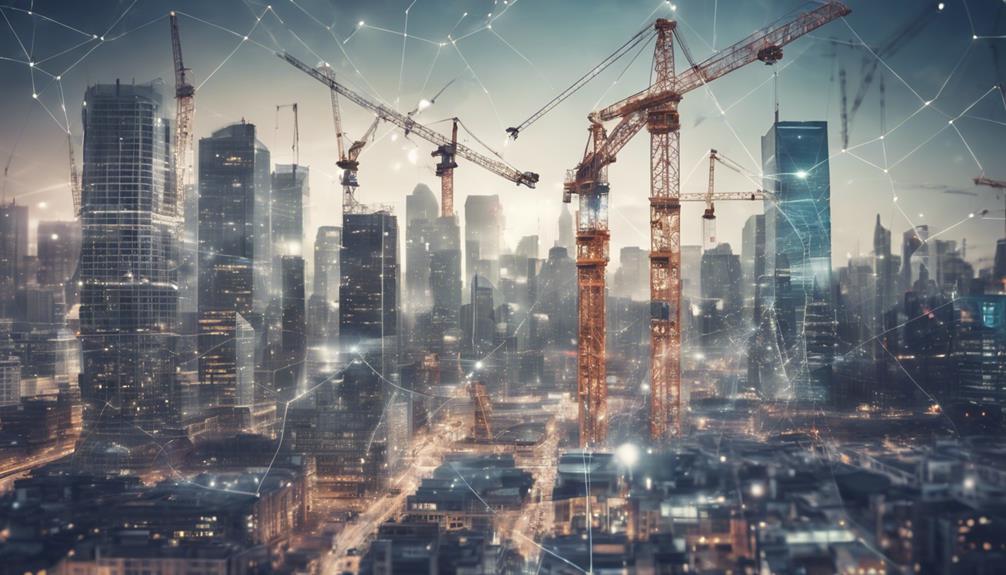
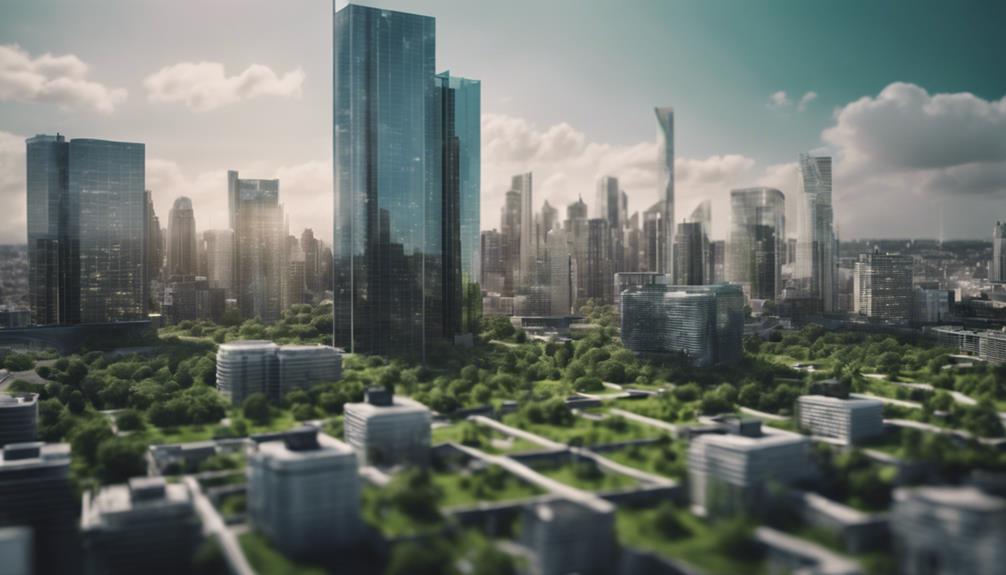
You're in the midst of a post-pandemic boom that's reshaping commercial real estate. Businesses are flocking to suburbs, drawn by lower costs and flexible spaces, while e-commerce demands have turned retail locations into hubs for experiences and swift logistics. Hybrid work models have prompted a redesign of office spaces for both in-person and remote needs, focusing on collaborative and adaptable environments. Sustainability has stepped to the forefront, with buildings incorporating eco-friendly materials and energy-efficient systems. The evolution extends to retail spaces too, with an emphasis on open, community-oriented designs. This is a rousing time for the market, and if you continue exploring, you'll uncover much more about these pivotal shifts.
Shift Towards Suburban Expansion
The trend towards suburban expansion is reshaping the landscape of commercial real estate. As you witness this shift, it's clear that businesses are migrating from dense urban cores to more spacious suburban settings. This isn't just a reaction to changing lifestyle preferences but also a strategic move to capitalize on lower property costs and increased accessibility.
You're seeing traditional office parks transformed into vibrant mixed-use developments. These spaces aren't merely about work; they integrate leisure, retail, and residential components, creating a community-centric environment. This holistic approach not only enhances the quality of life for employees but also attracts a broader demographic, boosting foot traffic and consumer spending in these areas.
Moreover, as companies decentralize, you'll notice a surge in demand for smaller, flexible office spaces in suburbs. These hubs offer the same high-tech infrastructure as their urban counterparts but with added benefits like easier parking and less congestion. The convenience is undeniable for both businesses and their workforce, leading to a more satisfied and productive team.
This suburban shift is fundamentally altering how developers and investors strategize, steering their focus towards creating sustainable and multifunctional suburban communities that meet the evolving needs of modern businesses and consumers.
Rise of E-commerce Impact
E-commerce's meteoric rise reshapes how commercial real estate adapts to new consumer behaviors. As you've noticed, traditional retail spaces face a pivotal transformation. Malls and storefronts are no longer just transaction points; they're evolving into experiential hubs where interaction and engagement take center stage. You're seeing more pop-up shops and themed experiences that pull people in through their novelty and innovation.
Meanwhile, the demand for warehouse space has soared. You're in an era where speed and efficiency in delivery services are paramount. As a result, areas traditionally less desirable for commercial real estate have become hotspots for distribution centers. These sectors are booming, offering quick access to major highways and urban centers, ensuring that last-mile delivery is swift and cost-effective.
Moreover, the footprint of retail stores is shrinking. You're witnessing a shift where retailers don't stock as much on-site inventory but focus more on showcasing sample products. Customers can scan, try, and order in-store, and their products are delivered to their homes. This not only reduces the need for large retail spaces but also aligns with the growing consumer preference for online shopping, affecting how commercial properties are being utilized and valued in your landscape.
Hybrid Work Models' Influence
Hybrid work models are reshaping office space demands as you know them. You've likely noticed fewer colleagues at your office desk each day, a clear sign of this shift. Companies are now redesigning their spaces to accommodate both in-person and remote workers. This isn't just about fewer desks or more meeting rooms; it's a fundamental change in how you use and interact with your workplace.
You're seeing more hot-desking systems and collaborative spaces that can be easily reconfigured depending on daily needs. It's no longer just about having a place to sit; it's about creating environments that foster collaboration when you're in the office and support efficiency when you're not. This flexibility is crucial, not only for your productivity but also for your well-being.
Landlords and developers, take note: you're dealing with a market that now values flexibility above size. Smaller, more adaptable office units are becoming the norm. You might find yourself negotiating shorter leases or terms that allow for more dynamic use of the space.
It's a challenge, but also an opportunity to innovate in how commercial spaces are offered and managed, ensuring they meet the evolving needs of businesses like yours.
Sustainability in Building Designs
Amid growing environmental concerns, you'll find that sustainability is becoming a cornerstone of modern building design in commercial real estate. As you explore the latest trends, you'll notice that architects and developers are prioritizing eco-friendly materials and energy-efficient systems. They're integrating solar panels, green roofs, and advanced HVAC systems that significantly reduce carbon footprints.
You're also seeing a surge in designs that enhance natural light and improve air quality, which not only cuts down energy costs but also boosts the health and productivity of those working within these spaces. Smart glass technology, which adjusts to lighting conditions, is becoming standard, reducing reliance on artificial lighting during the day.
Moreover, water conservation is a key focus. Rainwater harvesting systems and low-flow fixtures are commonplace in new developments, emphasizing the importance of resource management.
As you consider investing in or utilizing commercial real estate, it's crucial to recognize the long-term value and cost savings linked to sustainable buildings. These features aren't just environmentally responsible; they're economically smart. They attract tenants who are increasingly environmentally conscious, ensuring that your investment remains competitive in a rapidly evolving market.
Changes in Retail Spaces
Most retail spaces are undergoing significant transformations to adapt to changing consumer behaviors and technological advancements. You've likely noticed more open designs and flexible layouts when you walk into stores. This shift aims to create environments that can rapidly adjust to new products or shopping trends, enhancing your experience as a consumer.
Additionally, there's a growing trend toward incorporating natural elements inside stores. This biophilic design not only makes shopping more pleasant but also promotes a healthier atmosphere. Think about the last time you visited a store with indoor plants and natural lighting; it likely felt more inviting and relaxing.
Furthermore, pop-up stores are becoming a staple in the retail landscape. These temporary setups allow you to engage with brands in unique, immersive ways without the commitment of permanent space. They also give retailers the flexibility to test different markets and locations without significant financial risks.
Lastly, community-oriented spaces are on the rise, blurring the lines between traditional shopping and social interaction. These areas can host events and provide seating and WiFi, making them a perfect spot for you to relax or meet friends. This evolution in retail spaces isn't just about shopping; it's about creating a more connected and enjoyable community hub.
Investment in Technology Enhancements
Investing in technological enhancements has become a key strategy for retailers seeking to capitalize on the evolving demands of consumers. As you navigate this new landscape, understanding how to leverage tech investments effectively could significantly impact your business's bottom line.
Smart building technologies and data analytics aren't just buzzwords—they're your new best friends. Integrating IoT devices can optimize energy usage and maintenance, saving you money and enhancing the customer experience. Imagine a scenario where HVAC systems adjust in real-time to occupancy levels, or lighting systems respond to the natural light entering your spaces.
You're not just investing in hardware but also in software solutions that interpret vast amounts of data to predict trends and consumer behavior. This isn't about replacing your workforce; it's about empowering them with tools that allow for more personalized customer interactions and streamlined operations.
Don't overlook the importance of cybersecurity in this tech-heavy environment. It's crucial that you protect your digital infrastructure just as vigorously as your physical assets. Investing in robust security systems not only guards against threats but also builds trust with your clients, ensuring they feel safe in their transactions with you.
Embrace these technologies, and you'll be well-positioned to thrive in the dynamic world of commercial real estate.
Demand for Flexible Spaces
Shifting your focus to the rising demand for flexible spaces can greatly enhance your commercial real estate portfolio. As you're navigating the post-pandemic market, you'll notice how businesses are increasingly seeking adaptable work environments. They're not just looking for traditional office layouts; they want areas that can seamlessly transition from individual workstations to collaborative hubs, depending on their daily needs.
You've got to consider how co-working spaces have surged in popularity. These venues aren't just attractive because of their flexibility; they also offer shorter lease terms which are now more appealing than ever. This shift means you can tap into a market that values adaptability without the long-term commitment.
What's more, you'll find that integrating flexible designs in your properties could open doors to a broader range of tenants. From startups to established corporations, the demand spans wide. And let's not forget the allure of hybrid models, where businesses combine remote and in-office work. Creating spaces that cater to these models can set your properties apart, making them more desirable in today's market.
Impact on Property Valuations
The rise in demand for flexible spaces significantly influences property valuations. You'll notice this shift when you're scouting for potential investments or reassessing the worth of your current holdings.
Previously, traditional office buildings dominated the market, but now, properties that offer adaptable layouts are commanding higher prices. Why? Because businesses are looking for premises that can easily pivot between different uses—be it coworking setups, hybrid models, or complete remote capabilities.
As you delve deeper, you'll see that this isn't just a temporary blip. The pandemic has fundamentally changed how companies view office space. They're not just looking for square footage; they're seeking versatility. This means that properties capable of accommodating these new demands are seeing their values surge.
On the flip side, rigid, single-use spaces mightn't fetch the same premium they once did.
You should consider this when making your next move in the real estate market. Properties that offer flexibility aren't just safer bets; they're likely to provide better returns on your investment. As the market continues to adjust to the new normal, keeping ahead of trends like these will be crucial for maintaining and enhancing the value of your real estate portfolio.
Conclusion
As you navigate the evolving landscape of commercial real estate, remember the post-pandemic world is your playground. Embrace the suburban shift, adapt to the surge in e-commerce, and leverage hybrid work models. Prioritize sustainability in your building designs and innovate your retail spaces. By investing in technology and flexible spaces, you're not just adapting; you're setting the stage for growth. Keep an eye on property valuations—they reflect these dynamic changes, signaling new opportunities for you to seize.
Related articles: 75% Shift in Commercial Real Estate Market Trends · Office Spaces in Pajamas: Tomorrow’s Market Oddities · Reshaping Commercial Real Estate in a New Era