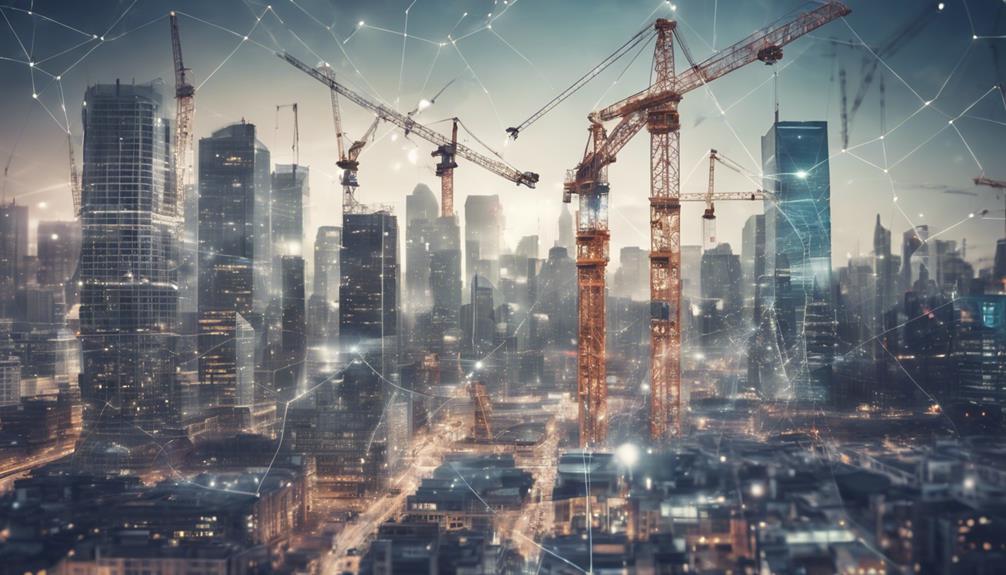
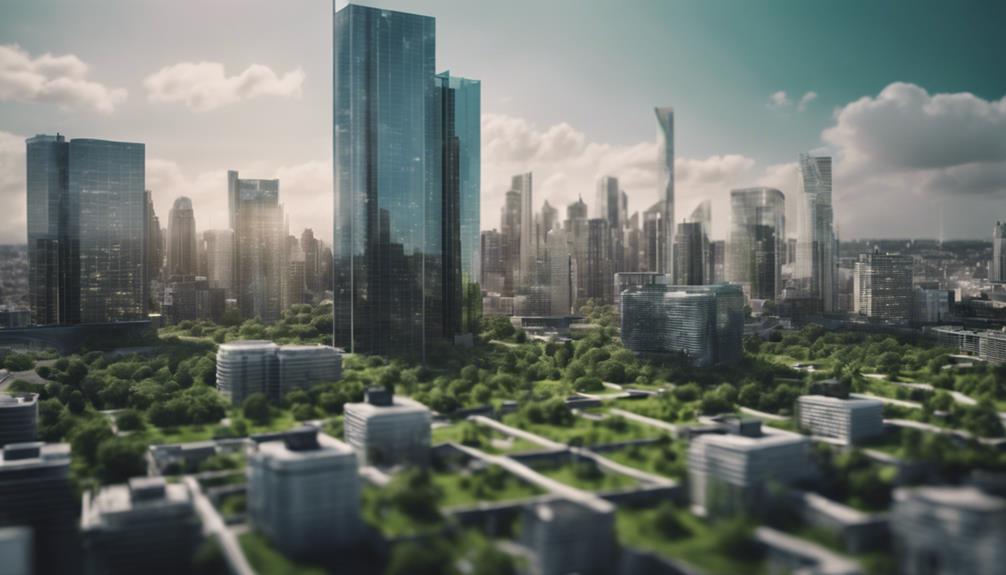
In the post-pandemic world, you'll notice a dramatic transformation in commercial real estate. Remote work has led to the conversion of office spaces into residential units, sparking a rise in mixed-use developments. E-commerce's boom demands more warehouses, equipped with advanced tech near transport hubs. Retail spaces, losing their traditional appeal, are now turning into distribution centers or other uses. Suburban office locations have grown popular due to lower costs and space. Sustainability and health safety measures are prioritized in building designs. Overall, the industry's adaptation reflects a robust recovery and resilience. These shifts offer intriguing opportunities and deeper insights into future real estate investments.
Shift to Remote Work
The shift to remote work has reshaped the landscape of commercial real estate significantly. As you've likely noticed, bustling office districts once thrived with daily influxes of professionals. Now, they're quieter, with many companies reducing their physical office spaces or eliminating them entirely. This pivot isn't just about fewer people in high-rises; it's about transforming how and where businesses allocate their real estate investments.
You might wonder what's happening with all that empty space. Innovatively, some developers are converting office buildings into residential units, betting on the appeal of living spaces in urban centers. This trend is buoyed by younger professionals who crave the amenities of city life but don't necessarily tie it to working in an office tower.
Additionally, the reduced demand for traditional office spaces has prompted a surge in mixed-use developments. These developments blend residential, retail, and workspace elements, offering a more integrated approach to urban living.
Moreover, with fewer employees commuting daily, there's a noticeable shift in traffic patterns and a decrease in demand for parking facilities linked to office buildings. This change is prompting city planners and developers to rethink urban landscapes and transportation infrastructures, adapting to the evolving needs of a workforce that's increasingly untethered from specific physical locales.
E-commerce Impact on Warehousing
E-commerce's relentless growth has massively boosted demand for warehousing. You've likely noticed how online shopping has become almost second nature, transforming not just the retail landscape but also how products are stored and shipped. As you dive deeper, you'll see that companies are scrambling to expand their logistics capabilities to keep up with consumer expectations for rapid delivery.
This surge in demand means you're now seeing more warehouses springing up, especially near major urban centers. These aren't just any warehouses; they're equipped with advanced technology to handle high-volume order fulfillment efficiently. You're looking at robotics, automated sorting systems, and sophisticated management software becoming the norm rather than the exception.
Moreover, the layout and location of these warehouses have become strategic. As a stakeholder, you're considering proximity to transport hubs and key markets to minimize shipping times and costs. This logistic optimization isn't just about space—it's about speed and efficiency, tailoring warehouse operations to meet the just-in-time delivery model that you, as a consumer, now often take for granted.
In this evolving market, staying ahead means investing in smart warehousing solutions that not only enhance capacity but also boost operational agility. As you adapt, you're setting the stage for continued growth in a post-pandemic world.
Decline of Traditional Retail Spaces
As you explore the shifting landscape of commercial real estate, notice how traditional retail spaces are dwindling. The once bustling malls and shopping centers are now facing a stark reality. You're seeing more "For Lease" signs than ever before. This isn't just a blip; it's a trend that's reshaping the urban fabric.
You might wonder what's driving this change. It's largely due to a shift in consumer behavior. People are opting for online shopping more frequently, drawn by the convenience and variety it offers. The pandemic accelerated this shift, making it more pronounced. Retailers who've failed to adapt to an online model are struggling the most.
Landlords are now in a tough spot. To avoid vacancies, you'll notice they're increasingly converting these spaces for other uses. Some are transforming into distribution hubs for e-commerce giants, while others are being repurposed into residential units or mixed-use developments.
You should also know that this trend is affecting property values. Areas once dominated by retail are seeing a shift in valuation, with impacts rippling through the local economy. As a stakeholder in commercial real estate, it's crucial for you to monitor these shifts and adapt your strategies accordingly.
Rise of Suburban Office Locations
Several factors are driving businesses to consider suburban office locations more appealing than their urban counterparts. You're likely noticing a shift as companies seek more space and flexibility, a direct response to the changing work dynamics post-pandemic.
Suburban areas offer lower real estate costs, which can significantly reduce overhead. There's also typically more space available, allowing for larger offices that can accommodate social distancing if needed.
You might find the appeal in shorter commutes and the proximity to residential areas, which can greatly enhance work-life balance for employees. This shift can lead to higher employee satisfaction and retention, as the daily grind of long urban commutes becomes less of a burden.
Moreover, the rise of hybrid work models means you don't have to be in the city center five days a week. Suburban offices can serve as satellite hubs, supporting flexible working arrangements while maintaining productivity.
Consider also the technology integration in these new office spaces. They're often built with the latest infrastructure, supporting high-speed internet and advanced communication tools, which are essential for modern businesses. This makes suburban offices not just a viable option, but a strategically smart one for forward-thinking companies.
Sustainability in Building Designs
In the realm of commercial real estate, sustainability in building designs isn't just a trend—it's a necessity. As you navigate this evolving landscape, you'll find that integrating eco-friendly practices into your projects is imperative, not only for environmental reasons but also for financial and social benefits.
You're now seeing more buildings that prioritize energy efficiency. This isn't just about installing solar panels or using green materials; it's about designing spaces that reduce the overall energy footprint. Think smart HVAC systems that adapt to the number of occupants and maximize natural light to cut down on artificial lighting during the day.
Water conservation is another critical aspect. You're looking at systems that reuse and recycle water. Imagine rainwater being harvested for flushing toilets or irrigating landscapes. These features are becoming standard expectations, rather than exceptional add-ons.
Moreover, the health and well-being of occupants are paramount. You'll notice an emphasis on indoor environmental quality through improved ventilation systems and non-toxic building materials that enhance air quality.
Changes in Commercial Lease Terms
Flexibility has become a cornerstone of modern commercial lease agreements. As a commercial tenant or investor, you've likely noticed how terms have shifted to accommodate the unpredictable nature of today's market. Short-term leases are now more commonplace. You're seeing options for one to three-year contracts rather than the traditional five to ten-year commitments. This change gives you the chance to adapt your business strategy as needed without being locked into a long-term plan that mightn't align with future market conditions.
You've also probably encountered clauses that increase your negotiating power. Rent abatements, improvement allowances, and termination rights are being leveraged to attract and retain tenants like yourself. Landlords are more willing to work with you on customizing these terms, understanding that flexibility can lead to sustained occupancy even in uncertain times.
Moreover, you can't ignore the shift towards percentage rent deals, where you pay a base rent plus a percentage of your monthly sales exceeding a certain threshold. This model aligns the landlord's and your interests, promoting a partnership approach rather than a strict landlord-tenant relationship.
These changes are designed to help you adapt swiftly and efficiently, ensuring that your business remains resilient in a continuously evolving marketplace.
Growth in Health and Safety Measures
Landlords' focus on enhancing health and safety measures has significantly grown in response to heightened tenant expectations post-pandemic. As you explore new office spaces, you'll notice an array of upgraded protocols aimed at ensuring your team's well-being. Advanced air filtration systems have become the norm, not the exception. You'll breathe easier knowing that these systems are designed to mitigate airborne pathogens effectively.
You're also likely to see touchless technology throughout properties. From motion-sensor lights to automatic doors, the goal is to reduce contact points that can harbor viruses and bacteria. This tech isn't just about health; it adds a layer of convenience that modern tenants expect.
Moreover, cleaning services have been ramped up extensively. High-traffic areas and common touchpoints receive multiple cleanings daily, using agents that meet the highest standards for efficacy against viruses. As you walk through these spaces, the freshness is palpable, instilling a sense of security.
Landlords are also rethinking layout designs to promote social distancing. While open floor plans were once the trend, you'll now find more thoughtfully spaced workstations and partitions that help prevent the spread of germs without sacrificing collaboration. These changes show a commitment to tenant health that's likely here to stay.
Increase in Mixed-Use Developments
The post-pandemic landscape has significantly boosted the popularity of mixed-use developments. You've likely noticed more buildings that combine residential, commercial, and sometimes cultural spaces. This trend isn't just about convenience; it's a direct response to changing lifestyle needs. As you've been spending more time at home, the appeal of having amenities and workspaces a short walk away has grown.
Developers are picking up on this shift. They're focusing on creating environments where you can live, work, and play without the need to commute. It's about bringing together diverse elements that make daily life more integrated and interconnected.
You're seeing more properties where ground floors are dedicated to shops and eateries, with apartments and offices above.
This model supports local economies too. By living and working in the same area, you're more likely to spend your money locally, boosting small businesses that occupy these spaces. It also fosters a sense of community.
When your home, favorite coffee shop, and office are within the same block, you're building stronger connections with those around you.
Technology Integration in Properties
As mixed-use developments evolve, integrating advanced technology into property designs has become increasingly important. You're seeing a shift towards smart buildings where everything from lighting to security is interconnected. It's not just about convenience; it's about creating environments that enhance the user experience and manage resources more efficiently.
Imagine walking into a building where the temperature adjusts automatically based on the weather outside and the number of people inside. Lighting systems that dim based on natural sunlight availability aren't just futuristic—they're here. These smart systems reduce energy costs and are a selling point for environmentally conscious tenants.
Moreover, the adoption of high-speed internet and robust wireless networks in properties is a must. You're likely working remotely more often, and having that connectivity ensures you can work from anywhere in the building without a hitch.
Property managers are now using technology to streamline operations too. From remote monitoring systems that track building performance to mobile apps that allow tenants to control features in their spaces, technology is making properties more manageable and more responsive to your needs.
As you look towards your next commercial space, consider how integrated technology can make your day-to-day operations smoother and more cost-effective. It's not just a trend; it's the future of real estate.
Market Resilience and Recovery Trends
Post-pandemic, commercial real estate markets are showing remarkable resilience and signs of robust recovery. You've likely noticed a shift in how properties are being used and who's moving in. Retail spaces, once quiet, are buzzing again as businesses adapt to new consumer behaviors. Offices are transforming too; they're not just places for work but hubs of collaboration and social interaction.
You're also seeing more hybrid models where buildings serve multiple purposes. This isn't just a trend; it's a strategic pivot that's helping properties stay relevant and profitable. Investments in properties that offer flexibility—like convertible spaces—are seeing higher returns. It's clear that adaptability is key in this sector.
Moreover, you can't ignore the surge in demand for commercial spaces in suburban areas. As remote work becomes a staple, people are moving away from city centers, and businesses are following suit, seeking more spacious and affordable options. This decentralization is balancing market pressures and fostering growth in previously overlooked areas.
Understanding these trends is crucial for you, whether you're investing, developing, or managing properties. The market's resilience isn't just about bouncing back; it's about thriving by adapting to new realities.
Conclusion
You've seen how the pandemic reshaped commercial real estate. As you adapt to these changes, remember that embracing remote work, enhancing e-commerce logistics, and investing in sustainable, tech-integrated properties will likely pay off. Consider venturing into suburban and mixed-use developments while upholding health standards to stay relevant. Each trend offers a unique opportunity for growth and resilience, ensuring you're well-equipped to navigate the evolving market landscape and capitalize on emerging opportunities.
Related articles: Why Are Post-Pandemic Commercial Real Estate Trends Shifting?