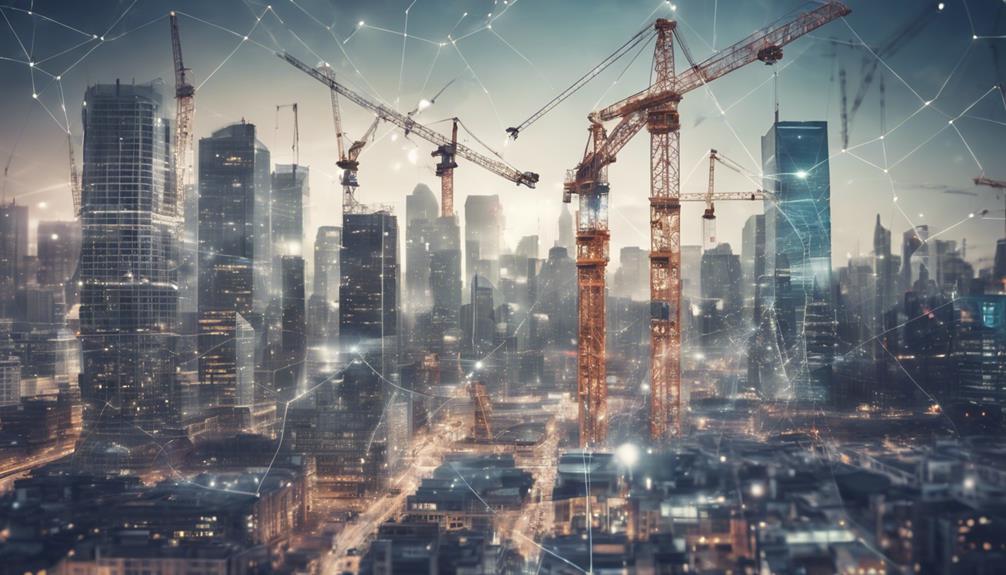
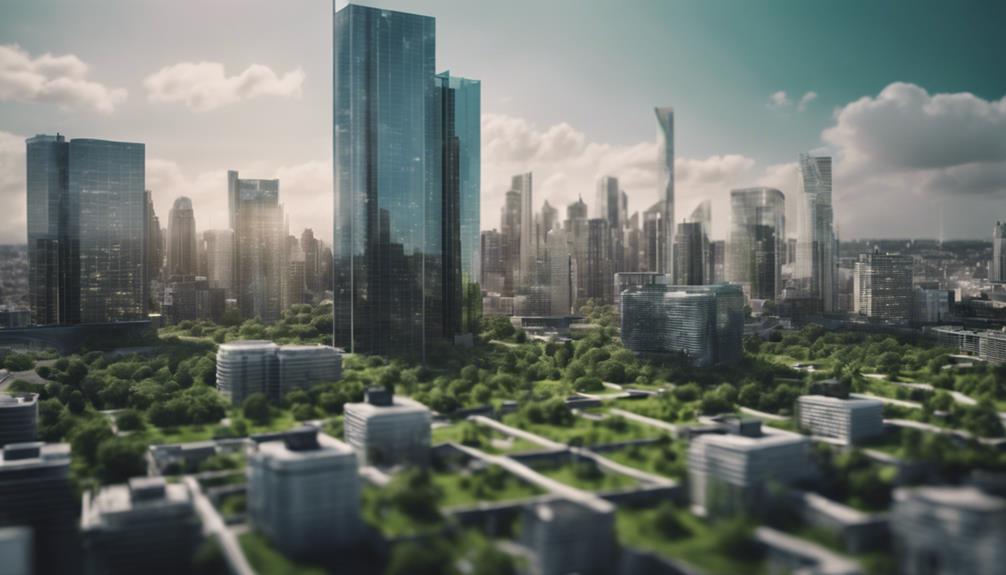
You're seeing a dynamic shift in post-pandemic commercial real estate driven by remote work and the boom in e-commerce. Office buildings in city centers are emptier as firms downsize physical spaces, leading to a surge in demand for warehouses driven by online sales. Retailers are resizing and adapting to blended online and in-store models, and the redesign of office spaces now focuses on flexibility, technological integration, and wellness. Mixed-use developments are becoming more popular, combining residential, commercial, and leisure spaces. This evolving sector offers fresh opportunities and challenges that could reshape your investment strategies and operational approaches, intriguing you to explore further.
Shift to Remote Work Impact
The shift to remote work has reshaped the landscape of commercial real estate. As you've probably noticed, downtown skyscrapers aren't bustling like they used to be. Many companies have downsized their physical offices, or ditched them altogether, favoring the flexibility remote work offers. This shift isn't just a temporary blip; it's part of a larger, lasting change that's affecting how properties are being used.
You're seeing more buildings converting from commercial to mixed-use or residential spaces. It's a trend driven by the need to revitalize empty office zones, turning them into vibrant living areas. This transformation also touches on local economies. With fewer people coming into offices, there's less foot traffic in business districts, which impacts local cafes, retail stores, and service providers.
Moreover, the change is sparking innovation in commercial real estate. Developers and landlords are now rethinking how space is used, integrating more technology to make buildings safer and more appealing. They're adding amenities that cater to a hybrid workforce, like better broadband and areas designed for coworking.
You'll find that in this new era, flexibility and adaptability are key in commercial real estate, reflecting the broader shifts in work culture and lifestyle preferences.
E-commerce Growth Effects
As remote work redefines urban landscapes, another significant force reshaping commercial real estate is the surge in e-commerce. You've likely noticed more delivery trucks and fewer open retail spaces in your neighborhood. This isn't a coincidence. The e-commerce boom demands vast areas for warehouses and distribution centers, propelling a shift in how commercial spaces are utilized.
Retailers are racing to adapt, pivoting from traditional storefronts to hybrid models that prioritize online sales with limited in-person interactions. For you, this means your shopping experiences are increasingly virtual, but the physical touchpoints—those places where you pick up or return purchases—are critical. Thus, some retail spaces are morphing into multifunctional sites combining storage, showroom, and distribution activities.
What's more, as you look around, you might see some retail locations in prime areas converting into fulfillment centers. These centers are closer to where consumers live, facilitating faster delivery times. This adaptation not only keeps commercial real estate relevant but also vibrant, albeit in a transformed landscape.
For investors and developers, this shift spells opportunities in retrofitting properties and investing in areas previously deemed unsuitable for commercial use. Such changes are essential in keeping pace with your evolving shopping habits and the broader economic currents.
Office Space Redesign Trends
Shifting gears to office space, many companies are now reimagining their work environments to better suit the hybrid model that blends remote and in-office work. You'll find that flexibility and functionality have become the cornerstones of modern office design.
Gone are the days of rows of tightly packed cubicles. Instead, you're seeing more modular setups, with movable walls and furniture that can easily adapt to different team sizes and privacy needs.
Think about how collaboration spaces are evolving. They're not just open areas anymore; they're tech-enabled hubs designed to facilitate both in-person and virtual meetings. You'll notice more soundproof pods and enhanced video conferencing rooms that make remote communication seamless.
You've also got to consider the emphasis on wellness. Biophilic design elements, which incorporate aspects of the natural environment, are being integrated to boost worker satisfaction and productivity. This means more natural light, plant installations, and even meditation areas.
Lastly, don't overlook the aesthetic changes. There's a shift towards creating visually appealing spaces that reflect company culture and values, making the office not just a place to work, but a place where you feel a part of something bigger. These trends aren't just passing fads; they're shaping the future of how you'll experience your workplace.
Increase in Warehouse Demand
Responding to the surge in online shopping, warehouse demand has skyrocketed. You've likely noticed how quickly your online orders are arriving. Behind the scenes, this efficiency is powered by the strategic placement and expansion of warehouses. As you're adapting to more frequent online purchasing, companies are scrambling to keep up, ensuring that goods aren't just available but are also swiftly delivered.
The shift isn't just about quantity; it's about location too. Businesses are now prioritizing 'last-mile' delivery, aiming to reduce shipping times dramatically. This means they're setting up smaller, urban warehouses closer to you. It's a logistical dance that involves finding the right spots where speed meets demand.
Moreover, the technology inside these warehouses has transformed. You might think of a warehouse as rows of goods and bustling forklifts, but today, they're becoming highly automated with robots and AI systems that predict order trends and manage inventory. This isn't just a response to current demand but a long-term strategy to stay competitive in a digital world.
Changes in Retail Footprints
Over the past few years, you've probably noticed a significant transformation in your local shopping areas. Retailers are resizing their footprints in response to shifting consumer habits and the rise of online shopping. You're seeing big box stores slimming down and pop-up shops becoming more frequent, indicating a pivot towards more flexible, less permanent retail spaces.
This trend isn't just about reducing size; it's about optimizing location and experience. Retailers are now choosing high-traffic urban areas over traditional malls to capture foot traffic and engage consumers directly.
You might've noticed more experiential stores where you can try products in a curated setting. These spaces often double as social media fodder, blending commerce with connectivity.
Furthermore, the surge in online shopping has led to a new role for physical stores. They're becoming fulfillment centers where you can pick up online orders or return items. This shift ensures that even with a smaller physical presence, stores can remain an essential part of the retail ecosystem.
As a consumer, you're at the heart of these changes. Retailers are adapting to meet your expectations for convenience, speed, and experience, reshaping the commercial landscape in the process.
Health and Safety Upgrades
Retailers have rapidly upgraded their health and safety protocols to align with new public health guidelines and consumer expectations. You've likely noticed more hand sanitizing stations and contactless payment options at your favorite stores. It's not just about responding to a temporary crisis; it's about adapting to a new standard of safety that might stick around for the long haul.
As a customer, you'll find that air quality is a big focus now. Many businesses have invested in advanced HVAC systems to better circulate and filter air. This isn't just to mitigate virus transmission; it's also aimed at enhancing overall environmental wellness. You're breathing in cleaner, fresher air while you shop.
Physical modifications have also been significant. Protective barriers, better signage for social distancing, and one-way traffic patterns in stores are all part of the new normal. These changes ensure you can navigate spaces safely and comfortably.
Moreover, you'll see more rigorous cleaning protocols. Surfaces are cleaned more frequently, and with stronger agents that are proven to kill viruses and bacteria. It's all part of making sure that when you step into a store, you feel safe and looked after in this new era.
Rise of Mixed-Use Developments
The landscape of commercial real estate is rapidly evolving, with mixed-use developments becoming increasingly popular. You're seeing more developers integrate residential, commercial, and recreational spaces into single projects. This trend isn't just about convenience; it's a response to growing demand for vibrant, walkable communities where you can live, work, and play.
As you look around, you'll notice these spaces offer an appealing blend of apartments, shops, offices, and parks—all within walking distance. They're not just buildings; they're dynamic environments that foster community and connectivity. This shift is significantly changing how you think about space utilization in urban settings.
You might wonder why these developments are surging now. Well, the pandemic reshaped your expectations of accessibility and proximity. People want to reduce their reliance on long commutes and instead have essential services and leisure within a close radius.
Moreover, mixed-use projects often feature sustainable designs and green spaces, aligning with your growing environmental consciousness. They're designed not only to meet today's needs but also to anticipate tomorrow's challenges, making them resilient and future-proof investments.
Investment Strategies Adaptation
Investors are responding to the rise of mixed-use developments by reevaluating their portfolios to better align with the emerging trends in urban living and sustainability. You're witnessing a shift where traditional office spaces are being blended with residential and retail components, compelling you to think differently about your investment approaches.
To capitalize on this evolution, you might consider diversifying your assets to include properties that offer a mix of uses, potentially yielding higher returns due to their increased appeal and functionality.
You'll also need to adapt to changes in tenant demands. Flexibility has become a cornerstone of real estate investment. Tenants are looking for properties that can adapt to various uses and changes over time. By investing in versatile spaces, you're not only future-proofing your portfolio but also enhancing its attractiveness to a broader range of tenants.
Moreover, sustainability features are no longer just nice-to-have; they're must-haves in your investment criteria. Properties equipped with green technologies and designs not only attract tenants more quickly but also command premium rents. By focusing on energy-efficient buildings and sustainable practices, you're likely to see a significant impact on your investment's performance and resilience.
Technology Integration Acceleration
Amidst evolving market dynamics, you must embrace the acceleration of technology integration in commercial real estate. This isn't just about upgrading your systems; it's about transforming how properties are managed, sold, and experienced. With smart building tech, you're not only optimizing energy use but also enhancing tenant comfort and security. Imagine controlling building operations remotely and predicting maintenance issues before they become costly problems.
You'll also see a shift in how properties are marketed. Virtual tours and augmented reality are becoming the norm, not the exception. These tools allow potential tenants and investors to explore spaces without physical boundaries, increasing your reach and speeding up the decision-making process. You're providing an immersive experience that static images and floor plans can't match.
Moreover, data analytics and artificial intelligence are revolutionizing market analysis and investment decisions. You can now access real-time data insights, predict market trends, and make informed choices swiftly. This tech isn't just a fancy add-on; it's becoming the backbone of strategic planning in your field.
Don't get left behind. Integrating these technologies today means staying ahead tomorrow. It's a pivotal move to not only survive but thrive in the modern commercial real estate landscape.
Market Resilience and Recovery
Often, market downturns challenge the durability of the commercial real estate sector, but signs of resilience and recovery are already emerging robustly. As you navigate these uncertain times, it's crucial to recognize how adaptable the market has proven itself. With resilience at its core, the sector's rebound isn't just about surviving but thriving.
You'll notice that investments are pivoting towards properties with flexible uses. Retail spaces are transforming, integrating features that accommodate both traditional shopping and online order fulfillment. This hybrid model isn't just a trend; it's a robust response to consumer demands that emerged stronger post-pandemic.
Moreover, office spaces are being reimagined. The shift towards remote work doesn't spell the end for office real estate. Instead, you're seeing a surge in demand for hybrid spaces that support part-time office attendance combined with remote work capabilities. These environments are designed to foster collaboration when needed and provide quiet, tech-enabled nooks for focus.
Investors are taking note of these shifts. They're not just adapting; they're innovating, ensuring their portfolios are resilient and aligned with new consumer behaviors and expectations. You're witnessing a sector that's not only bouncing back but setting new benchmarks in flexibility and innovation.
Conclusion
As you navigate the evolving landscape of post-pandemic commercial real estate, remember that flexibility and innovation are key. You'll need to adapt to increased remote work, expand e-commerce capabilities, and rethink office designs. Embrace the surge in warehouse needs and the shift in retail spaces, while exploring mixed-use developments. Stay ahead by integrating new technologies and refining your investment strategies. Resilience will be your greatest asset as the market recovers and transforms.
Related articles: 10 Key Post-Pandemic Trends in Commercial Real Estate · Why Are Post-Pandemic Commercial Real Estate Trends Shifting? · Post-Pandemic Boom: Revolutionizing Commercial Real Estate