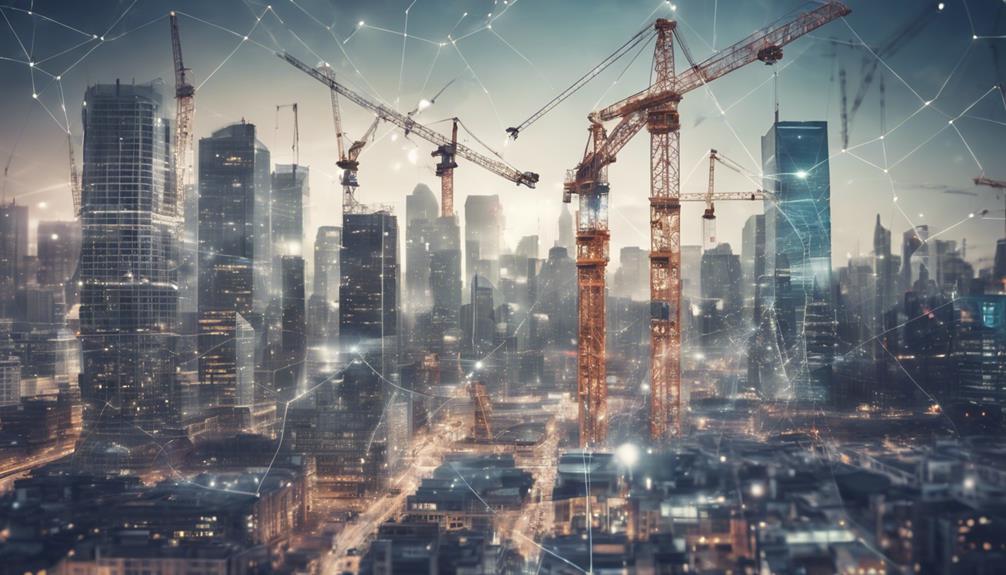
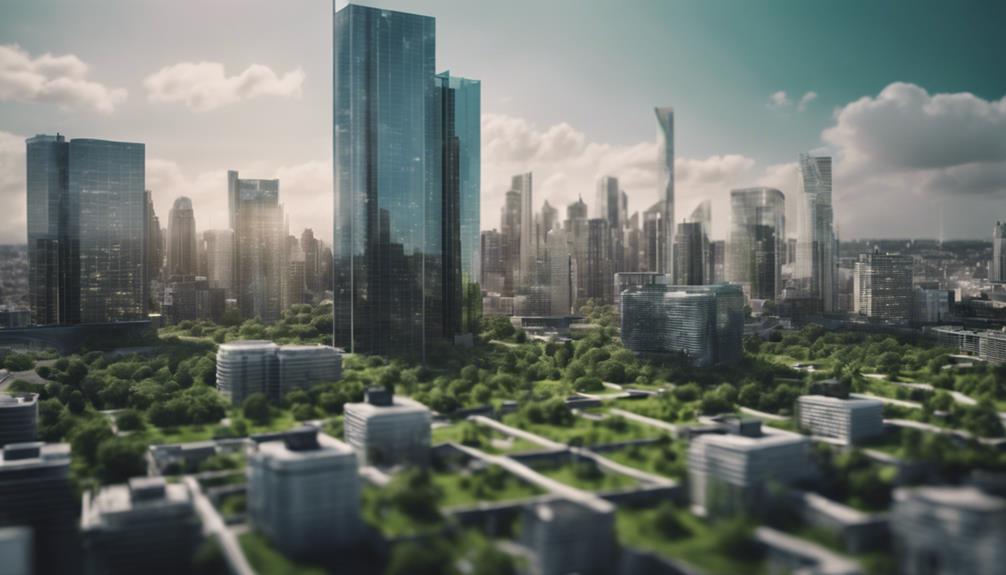
You're stepping into a new era of commercial real estate, reshaped by evolving work habits and tech advancements. Offices are transitioning into hybrid spaces, with an eye on flexibility and digital connectivity. As e-commerce booms, traditional retail spaces are morphing into logistic hubs, emphasizing proximity to major transit. Meanwhile, mixed-use developments are blending work, life, and play in urban centers, driving economic vitality. Sustainability isn't just a trend but a necessity, embedding eco-friendly designs that boost property values and attract tenants. Each of these changes heralds a dynamic future, unveiling new opportunities and insights with every shift.
Shift Towards Remote Work
How has the shift towards remote work reshaped commercial real estate? You've likely noticed a significant transformation. With more employees working from home, the demand for traditional office spaces has plummeted. Companies are reevaluating their need for large, centralized offices, leading to an increase in vacancies in urban office buildings.
As a result, you're seeing a shift in how these spaces are utilized. Some developers are converting office buildings into residential units, betting on the growing demand for living spaces in city centers. This repurposing helps maintain property values and revitalizes urban areas that might otherwise face decline.
You're also witnessing changes in the design of remaining office spaces. Businesses that still maintain physical offices are redesigning them to accommodate hybrid models. This means fewer permanent workstations and more collaborative spaces.
They're integrating advanced technology to facilitate seamless remote and in-person working, ensuring you can collaborate effectively, no matter where you are.
This evolution in commercial real estate isn't just a temporary response to the pandemic. It's a long-term shift that's redefining your work environment, influencing how and where you'll work in the future.
Increase in E-commerce Impact
As e-commerce continues to expand, its impact on commercial real estate becomes increasingly significant. You've likely noticed fewer brick-and-mortar stores and more giant warehouses and distribution centers. This isn't just a trend; it's the new face of retail infrastructure. As you adapt to this shift, understanding how it reshapes property demand is crucial.
Retail spaces, once prime for shopping malls and boutiques, are now transforming. You're seeing more storefronts morph into fulfillment centers where online orders are processed and shipped directly to customers. This change means you might've to rethink traditional retail investments and consider properties that support logistical operations like shipping and handling.
Moreover, the foot traffic that once dictated the value of commercial properties is changing. Now, the proximity to major highways and distribution hubs is becoming more important than a central city location. You'll find that properties with easy access to transportation networks are gaining in value, making them a smarter investment.
It's essential to stay ahead of these changes. Adapting your strategies to include properties that cater to e-commerce could position you well for future growth. Remember, as shopping habits evolve, so should your approach to commercial real estate investment.
Investment in Technology Integration
Investing in technology integration is becoming crucial for staying competitive in the commercial real estate market. As you navigate this landscape, embracing cutting-edge technologies isn't just an option; it's essential for your survival and growth. You'll find that incorporating data analytics can drastically enhance how you manage properties, predict market trends, and interact with tenants and investors.
Think about the power of IoT devices. By integrating these, you can monitor and manage building operations more efficiently, reduce costs, and increase the attractiveness of your properties. Smart systems that control heating, lighting, and security can significantly improve energy efficiency and tenant satisfaction. You're not just managing a property; you're offering an experience.
Don't forget, as you invest in these technologies, you're also gathering massive amounts of data. This is where artificial intelligence comes into play. AI can help you analyze this data to make smarter investment decisions and tailor services to meet the specific needs of your tenants. It's about being proactive rather than reactive.
Changes in Office Space Demand
While investing in technology enhances your property management capabilities, it's equally important to recognize the evolving demands for office space. As you've likely noticed, the traditional 9-to-5 grind at a fixed location is becoming outdated. More companies are adopting flexible work policies, significantly impacting how much office space they need.
You're seeing a push towards smaller, more versatile office environments that cater to hybrid work models. This shift means you need to rethink your space offerings. Instead of large, segmented offices, there's a rising demand for open floor plans that can be easily reconfigured.
These spaces aren't just about workstations but also include areas for collaboration and social interaction, which are vital for maintaining company culture in a hybrid setting. Moreover, you can't ignore the growing expectation for high-quality amenities.
Today's workforce wants more than just a desk; they're looking for conveniences that enhance their work-life balance. Think fitness centers, lounges, and onsite cafes. By adapting your properties to meet these new preferences, you'll not only retain tenants but attract new ones who are looking for modern, adaptable working environments.
Growth in Industrial Real Estate
The industrial real estate sector is experiencing remarkable growth, driven by the surge in e-commerce and global supply chain demands. As you navigate this landscape, you'll notice that warehouses, distribution centers, and fulfillment hubs are expanding rapidly. This isn't just a small bump; it's a significant shift that's reshaping how goods are stored and moved around the world.
You're seeing more developers dive into industrial projects, prioritizing locations near major transport routes. Proximity to highways, ports, and airports is becoming increasingly crucial. This strategic positioning helps companies cut down on delivery times and costs, which is vital in today's instant-gratification economy.
Moreover, you're also witnessing a rise in the sophistication of these spaces. They're no longer just big empty buildings; they're high-tech facilities equipped with advanced robotics and automation. This tech integration is essential for meeting the growing demands of online consumers and managing complex inventory systems.
As an investor or business owner, you'd be wise to keep an eye on this sector. The growth isn't just a temporary spike—it's a clear indicator of the evolving market dynamics. Jumping on this trend could mean significant gains for your portfolio or business, especially as consumer behaviors and expectations continue to evolve.
Evolution of Retail Spaces
How are retail spaces adapting to the changing consumer landscape? As you've likely noticed, they're becoming more experiential. It's no longer just about purchasing products; it's about enjoying an experience. Retailers are integrating technology to create immersive environments where you can interact with products in innovative ways.
Imagine walking into a store where augmented reality (AR) lets you see how furniture looks in your home or how a dress fits without trying it on. This tech-savvy approach attracts you, the modern shopper, who values both convenience and experience.
Moreover, personalization is key in today's retail evolution. Stores are using data analytics to tailor product offerings and marketing strategies directly to your preferences and shopping habits. You might receive mobile notifications for products you've been eyeing as soon as you step near a store, making your shopping experience smoother and more personalized.
Sustainability is also a significant focus. You're seeing more brands commit to ethical practices and sustainability, not just in their products but in their retail spaces too. From eco-friendly materials in store construction to energy-efficient designs, the push for green retail environments aligns with your growing environmental consciousness.
This shift not only helps the planet but also enhances brand loyalty among consumers like you, who prioritize sustainability.
Rise of Mixed-Use Developments
You've likely noticed a significant shift in urban landscapes with the rise of mixed-use developments, a trend combining residential, commercial, and sometimes cultural spaces into one cohesive unit. This evolution is transforming how you live, work, and play, making amenities and necessities more accessible than ever before.
Imagine living in a building where you can drop your kids at daycare, hit the gym, grab a coffee, and shop for daily needs all before heading up to your office, and later, dining at a nice restaurant, all without leaving your block. This isn't just convenient; it's reshaping your lifestyle and how cities are planned.
Developers are increasingly investing in these projects because they attract a diverse range of tenants and visitors. By creating a vibrant community where people can find housing, employment, and leisure in proximity, these developments are becoming hotspots that drive economic growth.
Moreover, as you're seeking more dynamic and integrated living spaces, the demand for mixed-use properties is surging. This shift not only meets your evolving preferences but also injects life into neighborhoods, making them more lively and appealing.
Sustainability and Green Buildings
Nearly every new commercial real estate project now incorporates some form of sustainable design. As you dive into the world of green buildings, you'll find that sustainability isn't just a trend; it's become a necessary evolution in the construction and management of commercial spaces. You're not just choosing eco-friendly materials; you're also adopting innovative technologies that reduce energy consumption and increase efficiency.
Green buildings often feature advanced HVAC systems, solar panels, and green roofs. These elements not only cut down on your operational costs but also reduce your carbon footprint. It's about making an investment in the future, both financially and environmentally.
Moreover, you'll discover that sustainability enhances the value of a property. Tenants are increasingly drawn to buildings that are aligned with their values, which often include environmental responsibility. By focusing on sustainable practices, you're not only appealing to a broader market, but you're also likely to see a higher retention rate among tenants.
Think of it this way: by integrating sustainability into your real estate projects, you're positioning your properties at the forefront of the market. You're not just building for today—you're building for a sustainable tomorrow.
Conclusion
As you navigate the evolving landscape of commercial real estate, remember that flexibility and innovation are key. Embrace the shift towards remote work, capitalize on the surge in e-commerce, and invest in technology. Adapt your office spaces, explore opportunities in industrial real estate, and rethink retail environments. Consider the potential of mixed-use developments and prioritize sustainability. By staying adaptive and forward-thinking, you'll position yourself to thrive in this new era of commercial real estate.
Related articles: 5 Key Trends in Commercial Real Estate Recovery