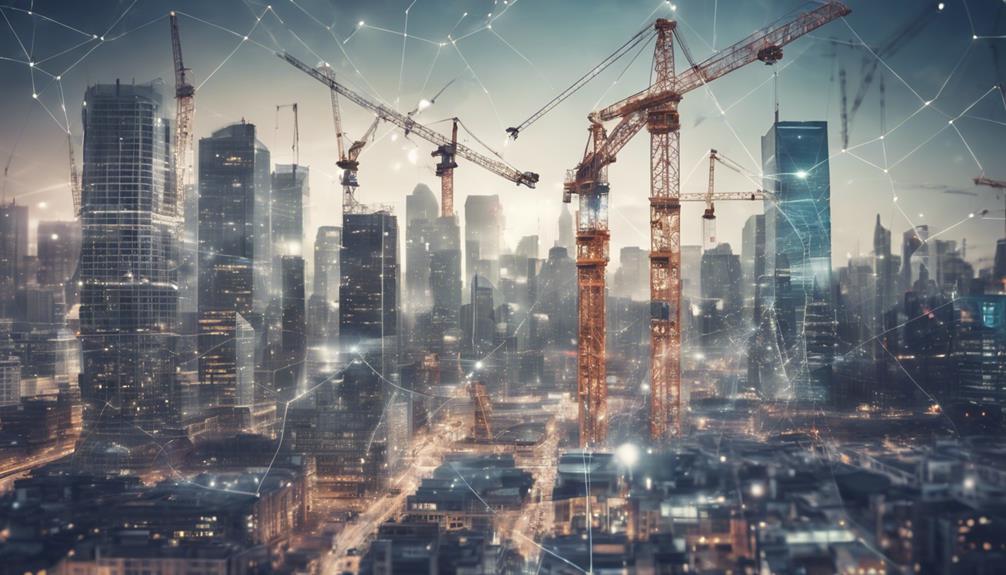
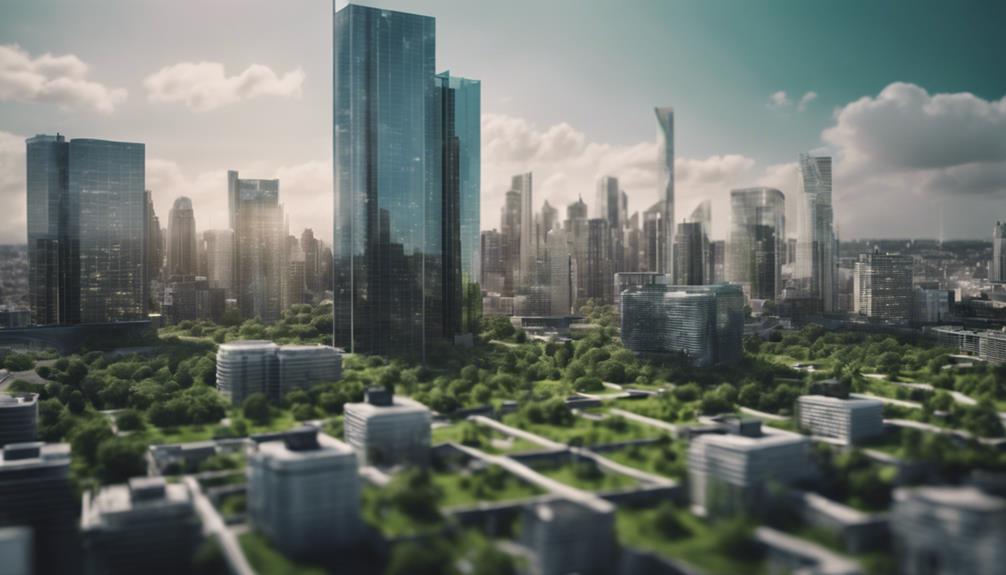
As you witness the shift of more people to urban centers, you'll need to rethink your approach to office space. First, evaluate your current space requirements, as there's a growing preference for central locations to tap into urban conveniences and facilities. Next, adapt your office layouts to be more flexible; think modular setups which can change as needed. Lastly, enhance your space with amenities like fitness centers and cafes to boost employee satisfaction and attract top talent. Keep exploring this topic, and you'll find a wealth of insights to fine-tune your strategies in this evolving landscape.
Understanding Urban Migration Trends
Urban migration trends are reshaping cities as you know them. Every day, more people choose urban life for its conveniences and opportunities. You're seeing these changes firsthand. Bustling streets, diverse cultures, and a constant buzz of activity—it's all part of the urban appeal that draws folks from rural and suburban areas.
This shift isn't just about bigger crowds or more traffic. It's fundamentally altering the demographic makeup and needs of urban centers. Young professionals, families, and even retirees are flocking to cities seeking better employment, education, and lifestyle options. You're witnessing a melting pot of ideas and aspirations, each influencing city living in unique ways.
As these diverse groups converge, the cultural landscape of cities evolves. There's a surge in demand for amenities like public transportation, healthcare, and recreational spaces. You're seeing city planners and local businesses scramble to adapt, enhancing infrastructure and services to cater to a growing and varied population.
The result? Urban areas are becoming more livable, vibrant, and dynamic, setting the stage for a redefined city life that continuously adapitates to its residents' shifting desires and needs.
Impact on Office Space Requirements
As urban migration continues, virtually every company is reevaluating its office space needs. You're likely noticing a shift towards more centrally located offices in urban areas. This migration isn't just about moving closer to where the workforce lives; it's about adapting to a changing landscape of work habits and expectations.
You'll see a growing demand for flexible office layouts. The traditional model of rows of desks and private offices is giving way to open spaces that can be easily reconfigured. Think modular furniture and communal areas that encourage collaboration without sacrificing the option for privacy when needed.
Moreover, you're also facing an increase in the need for amenities. Today's workforce expects conveniences like fitness centers, bike storage, and green spaces, which are now becoming standard features in office designs.
These amenities not only attract top talent but also contribute to employee satisfaction and retention.
Adapting to New Market Demands
To keep pace with evolving market demands, you must rethink your approach to office space design. It's no longer just about square footage and desk count; it's about flexibility and functionality. You've got to envision spaces that can easily transform to meet the changing needs of businesses, integrating technology seamlessly and fostering collaboration while also allowing for privacy when needed.
Consider modular furniture and movable walls that can be reconfigured as team sizes and project scopes shift. It's about creating environments that inspire creativity and productivity, not just places where people clock in and out.
You should also prioritize sustainability. Modern tenants are looking for eco-friendly spaces that minimize environmental impact. Think green roofs, energy-efficient lighting, and materials that are as good for the planet as they're for people working in them.
Lastly, don't overlook the power of amenities. To attract top talent, companies need more than just office space; they need a place where employees are excited to come every day. Offer conveniences like fitness centers, bike storage, and cafes. These features not only enhance the daily work experience but also help in retaining and attracting a vibrant workforce ready to face tomorrow's challenges.
Conclusion
As you observe urban migration trends, you'll see a clear shift in office space needs. To stay ahead, you must adapt quickly. First, analyze the changing demographics and their preferences. Next, innovate your offerings to meet these new demands — think flexible workspaces and tech-savvy environments. Lastly, engage with local communities to ensure your spaces resonate with them. By taking these steps, you'll not only meet market demands but potentially lead the evolution in urban office spaces.
Related articles: Why Are Urban Migrations Reshaping Commercial Spaces? · Office Spaces Shrink as Cities Swell: Market Mayhem · Urban Migration: Empty Desks in Booming Cities?