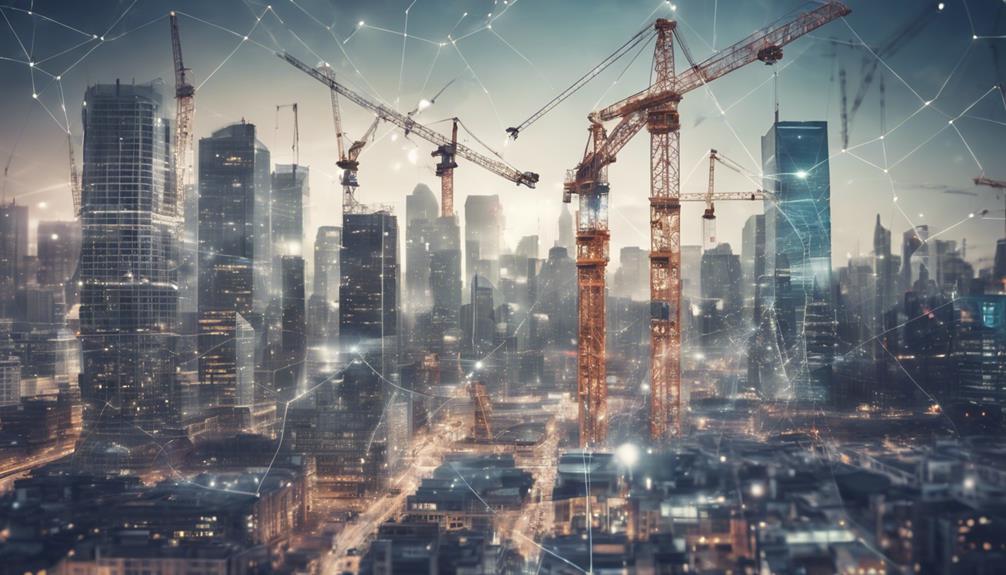
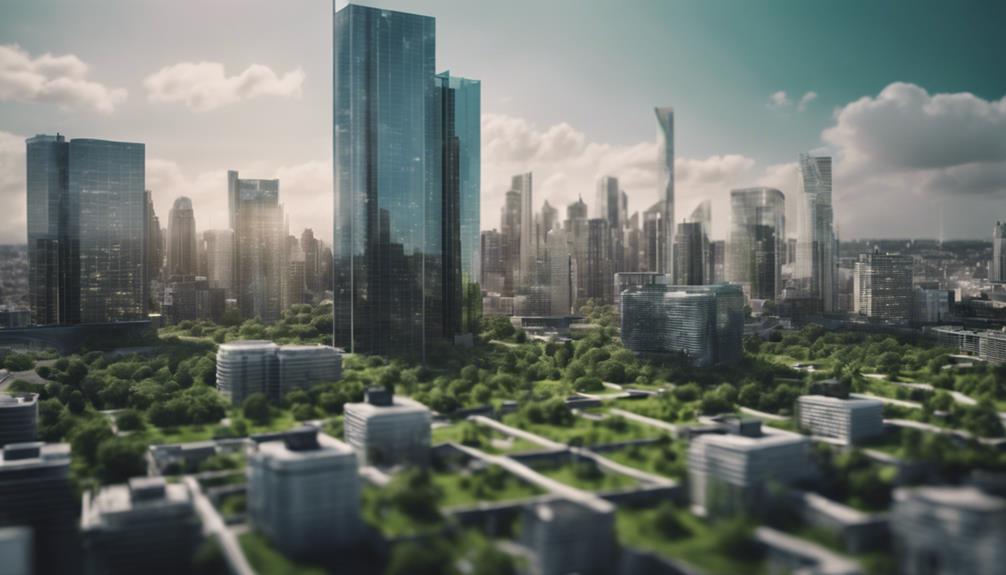
As you explore booming cities, you'll notice a surprising trend: despite growing populations, there are more empty desks. Cities are drawing in young professionals and new businesses with their vibrant culture and opportunities, but the shift toward remote and hybrid work models means traditional office spaces aren't filling up as they used to. Businesses are adapting by opting for flexible leases and shared spaces, and landlords are setting up ready-to-use offices to attract a new wave of tenants. This evolving urban landscape hints at a deeper transformation in how and where we work, promising to unveil fresh insights into future urban living and workspaces.
Urban Migration Patterns
Urban migration patterns reveal how people are flocking to cities in search of better opportunities. You're witnessing a massive shift as young professionals, families, and even retirees opt for urban living over rural or suburban lifestyles. The allure? It's often the promise of job prospects, cultural vibrancy, and enhanced infrastructure. As you're considering this trend, it's essential to understand its multifaceted nature.
Cities across the globe are becoming melting pots of innovation and diversity. You see this in the bustling streets, the eclectic food scenes, and the tech startups popping up downtown. It's not just about higher salaries; it's about the richness of urban life that draws people in. But it's not all glamorous. The challenges are real—higher costs of living, congestion, and competition for resources stretch the urban fabric, testing its limits.
You may also notice demographic shifts. Young adults dominate this urban influx, reshaping city landscapes with their preferences and behaviors. They're not just looking for jobs; they're seeking communities where creativity and connectivity thrive.
As you explore these shifting sands, consider how these changes are sculpting the future of urban living.
Impact on Office Vacancy Rates
As cities swell with newcomers, office vacancy rates are inevitably affected. You might think that an influx of people would fill offices quickly, but the reality isn't so straightforward. Many newcomers are freelancers or involved in startups that favor remote or hybrid models, leaving traditional office spaces empty.
Moreover, the nature of work is evolving. You're seeing a shift where even established companies are downsizing their physical presence as they adopt more flexible working arrangements. This trend leads to a noticeable increase in vacant office spaces in some areas, despite the population growth.
You might notice this change more in certain districts, especially where industries that traditionally required significant office space are based. These areas might face higher vacancy rates, turning bustling business districts into zones with notable gaps.
This shift isn't just about empty spaces; it alters the vibe of a city. Areas once teeming with professionals during business hours might now have a quieter, more subdued atmosphere. This change can affect local businesses and services that relied on office workers as their primary customers. It's a complex ripple effect that cities need to manage as they continue to grow.
Trends in Commercial Leasing
One might observe that, despite rising office vacancy rates, trends in commercial leasing are adapting in intriguing ways. You're seeing businesses no longer bound by traditional long-term leases. Instead, they're opting for flexibility. Short-term leases and shared spaces are becoming the norm, allowing companies to adapt quickly to changing circumstances and workforce needs.
You'll also notice more landlords offering "plug-and-play" office setups. These come fully furnished and equipped, making it easier for you to move in and start operations without significant upfront investment. It's a trend that's gaining momentum as businesses look for cost-effective solutions in uncertain economic times.
Moreover, you're witnessing a rise in demand for buildings with better technology and sustainability features. As you prioritize health and efficiency, landlords are retrofitting older properties with advanced HVAC systems, high-speed internet, and green certifications to attract tenants like you who value these upgrades.
In this evolving landscape, you're empowered to negotiate more favorable terms. Landlords, eager to fill spaces, are more open to negotiations, offering rent concessions and flexible lease terms. It's a buyer's market, and you've got the upper hand in shaping the future of your workspace.
Changes in Property Values
While discussing the evolving dynamics of commercial leasing, it's equally important to examine how these trends are influencing property values in urban areas. As you've seen, the shift towards more remote work options has left many office buildings underutilized, causing a ripple effect on surrounding property markets.
You might notice that in some booming urban centers, commercial property values have started to decline. This is partly because the demand for office space isn't what it used to be. Landlords are dropping rents to attract tenants, which, in turn, impacts the overall valuation of these properties.
However, it's not all doom and gloom. Some areas are experiencing a transformation, with former office buildings being converted into residential spaces or mixed-use developments.
This repurposing can actually boost property values in the vicinity by diversifying the local economy and enhancing the vibrancy of the area. You'll see new retail shops, restaurants, and services popping up to cater to the residential crowd, which can make these neighborhoods more attractive to potential buyers and renters.
Shifts in Workforce Demographics
In response to urban migration, workforce demographics are noticeably changing. You're seeing younger professionals flock to cities, driven by the allure of shorter commutes and vibrant urban life. This trend is leading to a youthful surge in many sectors traditionally dominated by more experienced staff.
Cities are becoming melting pots of cultures and experiences, enhancing creativity and innovation in workplaces.
As you look around, it's clear that the diversity in your office is also shifting. There's an increase in international talent, attracted by cosmopolitan lifestyles and career opportunities not available in their home countries. This blend of backgrounds and perspectives is enriching the corporate culture, fostering a dynamic environment where different ideas and solutions can flourish.
You're also witnessing a change in the gender makeup of your workforce. More initiatives aimed at empowering women in tech, finance, and other industries are slowly balancing the scales. These efforts not only promote equality but also bring new viewpoints and leadership styles into the fold.
Future of Workspace Design
Reflecting the shifts in workforce demographics, the future of workspace design is evolving to meet new needs and preferences. You'll see offices transforming from the traditional cubicles to dynamic, flexible environments. Imagine spaces that morph from a morning brainstorm room into a quiet, afternoon deep-work zone. It's all about adaptability.
You're likely to encounter more biophilic design elements that enhance connectivity to the natural environment through the use of direct nature, indirect nature, and space and place conditions. Think living green walls, natural lighting, and wood and stone textures that decrease stress and boost your creativity.
Tech will play a bigger role too. You'll navigate through your day with the help of smart systems that adjust lighting, temperature, and even desk heights based on your preferences and habits. Collaboration tools aren't just for remote workers; they'll integrate seamlessly into physical spaces, making team projects smoother and more intuitive.
As you prioritize health and well-being, expect to see more wellness-centric features. Air quality monitors, ergonomic furniture, and onsite health services will become the norm. These changes aren't just about aesthetics or productivity—they're about creating environments where you can thrive. So, get ready to step into a workspace that's as dynamic as you are.
Investment Opportunities in Urban Areas
Urban areas offer a wealth of investment opportunities, particularly in real estate and technology. You'll find that the rapid pace of urbanization and the transformation of city landscapes create fertile ground for innovative investments.
As cities expand, demand for both residential and commercial properties spikes. You can capitalize on this by investing in developments that cater to new residents and businesses. Moreover, the tech sector in cities is booming. Start-ups and established tech giants alike are constantly on the lookout for urban hubs, making this a prime area for you to invest in tech infrastructure or venture capital.
You should also consider the growing trend of mixed-use developments. These projects combine residential, commercial, and sometimes cultural spaces, offering a comprehensive solution to urban density. They're extremely attractive as they meet various needs and are often located in central areas with high foot traffic, which can significantly increase property value.
Lastly, don't overlook the importance of sustainability in your investment decisions. Urban projects that focus on green building practices and energy-efficient designs aren't only more appealing to a modern audience but might also benefit from certain incentives. Investing in such properties could ensure you're part of the future-forward wave shaping cities today.
Regulatory Influences on Development
Regulatory frameworks greatly impact the pace and nature of urban development. As you navigate the complexities of building in a bustling city, you'll find that these rules aren't just bureaucratic hurdles; they're pivotal in shaping the skyline and the streets below.
Zoning laws dictate what you can build and where, influencing not only the aesthetics of a neighborhood but also its socioeconomic makeup. You're looking at not just the limitations but also the possibilities that these regulations introduce.
Moreover, environmental regulations play a crucial role. They ensure that your development projects align with sustainability goals which, in turn, attract a more environmentally conscious demographic. You've got to consider how these standards affect your materials, construction processes, and overall project timelines.
Building codes are also a key factor. They ensure safety and accessibility, impacting your design choices significantly. You've got to meet these standards to avoid legal pitfalls and ensure your buildings are safe for occupancy.
Lastly, the impact of historical preservation regulations can't be underestimated. If you're developing in an area with rich history, you'll need to navigate these carefully. They can restrict your plans, but also add unique value to your properties, making them more attractive to potential residents or businesses.
Conclusion
As you observe the evolving urban landscape, it's clear that migration trends are reshaping cities. Office vacancies might hint at a deeper shift in how we use space, influencing both property values and investment opportunities. If you're eyeing urban investments or rethinking workspace designs, staying abreast of regulatory changes is crucial. The city's future is dynamic, and understanding these shifts will position you to make informed decisions and capitalize on emerging trends in these bustling urban centers.
Related articles: Is City Migration Reducing Commercial Space Demand? · Urban Migration’s Impact on Commercial Real Estate Trends · Impact of City Migration on Commercial Real Estate Trends