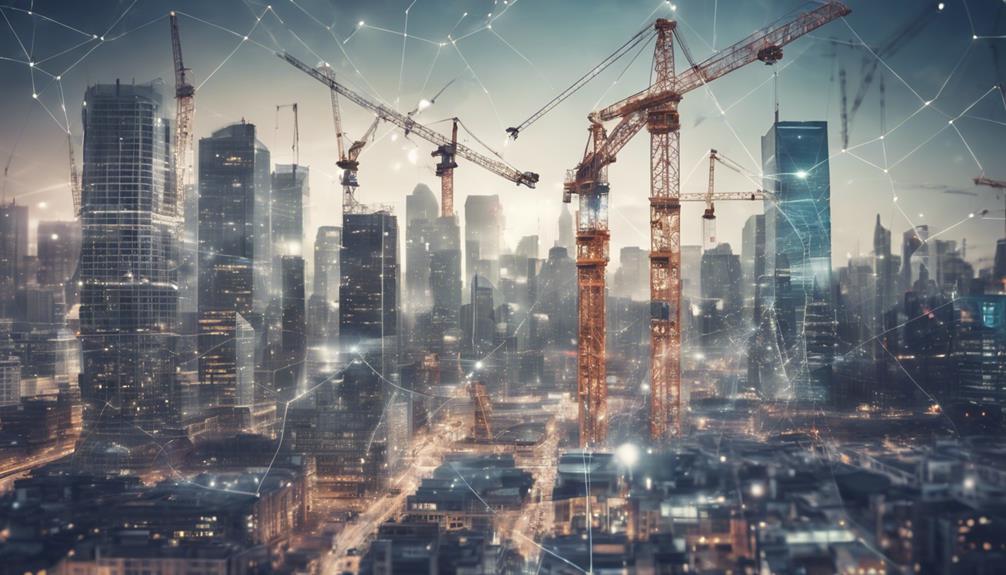
As cities swell with vibrating energy, you'll find the hunt for premium office space increasingly competitive. Businesses clamber for strategic spots near bustling hubs, causing a spike in rental rates despite shrinking office sizes. Emphasis has shifted toward collaborative, flexible workspaces, influenced by a tech-driven need for less physical storage space and a cultural pivot that values connectivity. Even though offices are getting smaller, don't expect a drop in prices; modern amenities and prestigious addresses keep them steep. Curiously, as you explore this compacted landscape, you'll uncover inventive adaptations and futuristic designs that promise to redefine urban work environments.
Rising Demand for Urban Office Space
As cities grow more vibrant and populous, the demand for urban office space is skyrocketing. You're seeing businesses, from startups to established corporations, scramble to find suitable locations that not only meet their logistical needs but also enhance their visibility and accessibility. This surge isn't just about having a place to work; it's about making a statement in the marketplace.
In the heart of cities, where space becomes a premium commodity, the race for acquiring or leasing office spaces pushes prices upwards. You might find that costs are climbing, not just in terms of rent, but also in the associated expenses like property taxes and maintenance fees. It's not unusual now for businesses to allocate a significant portion of their budget to securing a spot in these urban centers.
Moreover, the quest for proximity to innovation hubs, tech parks, and business districts is intensifying.
You see, being close to these nerve centers means better networking opportunities, faster access to industry trends, and a stronger presence in the economic landscape of the city. Each of these elements is crucial as you strive to position your business advantageously in an increasingly competitive market.
Shrinking Office Sizes in Metro Areas
Office sizes in metropolitan areas are noticeably contracting. You've probably seen the shift; sprawling offices are giving way to more compact models. It's not just about cutting costs; it's about adapting to new work styles.
As you navigate these tighter spaces, you're finding that they encourage a more collaborative environment. There's less room for sprawling desks and more emphasis on shared spaces.
You might wonder why this squeeze is happening. Well, as urban centers grow denser, companies are pressed to make the most of every square foot. And let's face it, technology has shrunk the need for physical storage with cloud solutions stepping in, enabling smaller desk footprints and fewer filing cabinets.
But it's not just practicality driving this change. There's a cultural shift at play too. You're seeing a move towards more dynamic work environments that foster interaction and flexibility. These smaller, more versatile office setups are responding to the needs of a workforce that values connectivity and convenience over square footage.
Impact on Commercial Real Estate Prices
You might notice that despite the decrease in office size, commercial real estate prices in urban centers don't always follow suit. It's puzzling, isn't it? You'd expect smaller office spaces to cost less, but that's not the case. Here's why: demand in bustling city centers remains high regardless of size. Companies still clamor for prestigious addresses and proximity to business hubs, which keeps prices up.
Moreover, as companies adapt to changing work dynamics, such as hybrid models, they're looking not just for smaller spaces but smarter ones. These modern, tech-enabled offices are more expensive to design and maintain, pushing lease prices higher, even if the square footage shrinks.
You're also competing with a variety of new players in the market. It's not just traditional businesses in these spaces anymore. Start-ups, co-working spaces, and pop-up shops are all vying for prime real estate, driving up costs.
Adaptive Reuse of Larger Properties
In response to shrinking office sizes, many developers have turned to the adaptive reuse of larger properties. You've seen these transformations around—old warehouses becoming trendy lofts, or vast factory floors repurposed into open-plan offices. This isn't just a stylistic choice; it's a strategic response to the tightening market. By revitalizing these spaces, developers tap into a new niche, blending historical charm with modern functionality.
You might wonder how this affects you. Well, if you're looking for office space, these converted properties can offer more square footage at a competitive price, not to mention a unique atmosphere that could set your business apart. They're also typically located in older, more central parts of the city, which means better accessibility for you and your team.
However, it's not without challenges. These buildings can come with higher renovation costs due to their age and structural restrictions. You'll need to weigh these potential hurdles against the benefits of occupying a distinctive space that mirrors your company's innovative spirit.
Future Trends in Office Space Design
As cities evolve, so too must the design of their office spaces. You'll notice the introduction of flexible layouts that adapt to different work styles and team sizes. Imagine movable walls and furniture that can easily be reconfigured by the workers themselves, offering a tailored environment for every task.
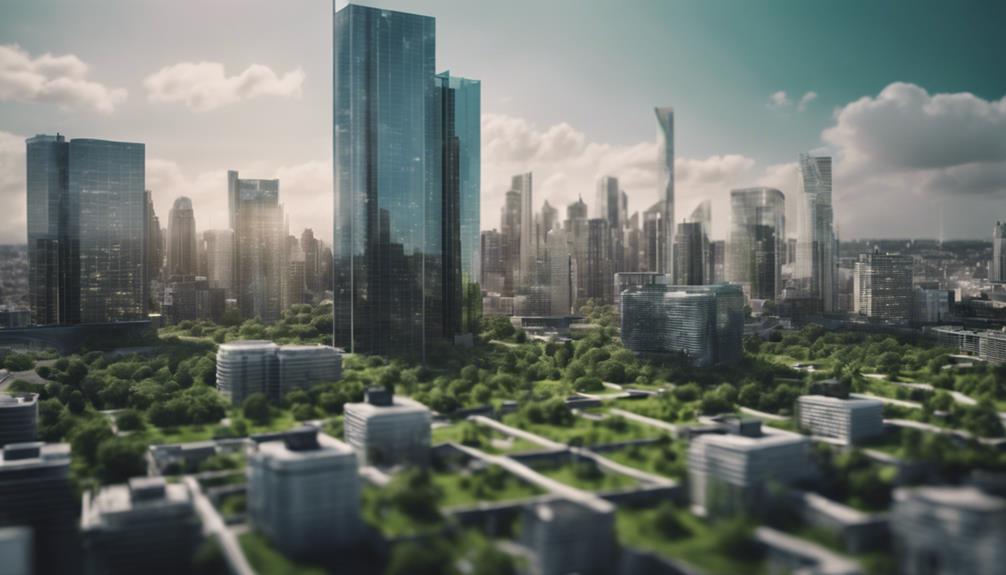
You're also going to see a surge in biophilic design. This isn't just about adding a plant or two. It's about integrating natural elements into the very fabric of the building to enhance your well-being. Think living green walls, natural light, and building materials that mimic the outdoors. It's all designed to boost your productivity and mood.
Sustainability will be at the heart of future offices. You'll be working in spaces that not only reduce environmental impact through energy efficiency and waste reduction but also help companies meet their corporate social responsibility goals.
Tech integration will become seamless, with smart technology managing everything from climate control to booking meeting rooms, all tailored to enhance your efficiency.
As you look ahead, expect these innovations to not just shape where you work, but how you feel about work itself, making office spaces healthier, more adjustable, and increasingly aligned with personal and environmental well-being.
Conclusion
You're witnessing a dynamic shift as urban office spaces get smaller while demand skyrockets. This squeeze is pushing commercial real estate prices upward, altering how larger properties are repurposed. Keep an eye on future designs—they'll likely emphasize flexibility and efficiency, transforming the way you work in the city. As these trends evolve, you'll need to adapt swiftly to stay ahead in this bustling, ever-changing market environment. Embrace the change; it's reshaping your urban work landscape.
Related articles: Urban Migration: Empty Desks in Booming Cities? · Is City Migration Reducing Commercial Space Demand? · Urban Migration’s Impact on Commercial Real Estate Trends