Market Insights Trends

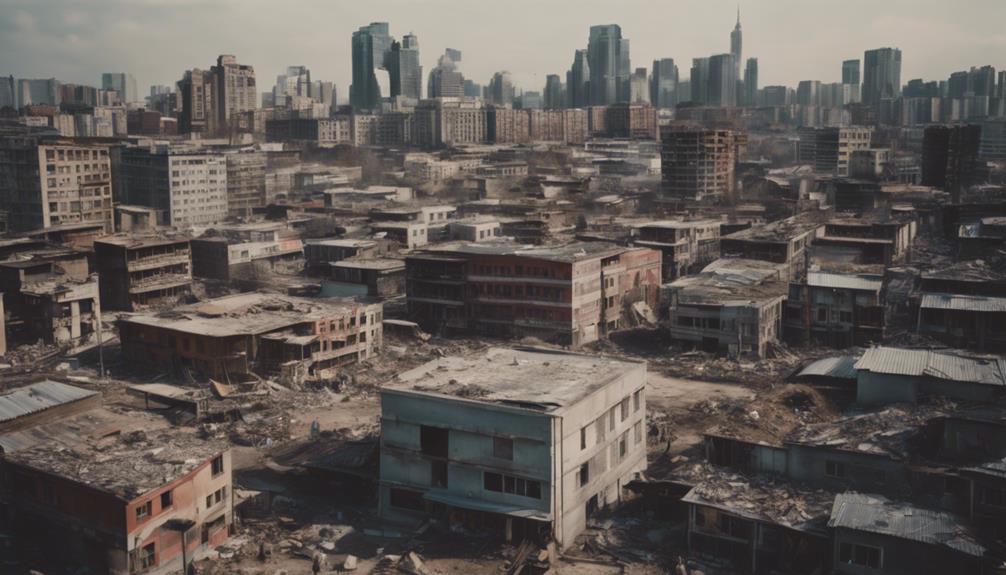
Navigating Retail Space Challenges in Economic Downturns

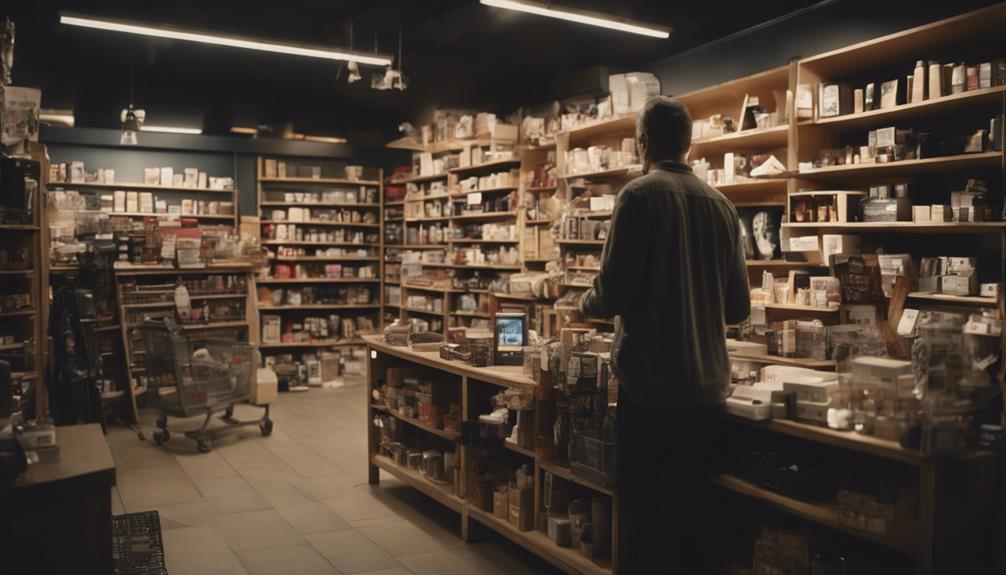
In economic downturns, you're facing less foot traffic and tighter consumer budgets, so it's crucial to adapt your retail space strategy. Shift your focus toward offering value-driven products and enhancing customer experience through loyalty programs and discounts. You should also increase your online presence and lean on technology like data analytics to understand changing consumer behaviors better. Don't forget, location still matters; ensuring your store is accessible and visible can help attract those who do venture out. With these adjustments, you can maintain customer interest and potentially attract new ones, leading to more insights on how to thrive during tough times.

Analyzing Current Market Trends

Why should you care about current market trends in retail? Well, it's simple: they dictate everything from product availability to pricing strategies. Understanding these trends can help you predict what's coming next, allowing you to adapt and stay ahead.

For instance, the surge in e-commerce has reshaped the retail landscape. You've likely noticed more online shopping options and perhaps fewer physical stores. This shift isn't just about convenience; it's a response to changing consumer preferences.

Moreover, sustainability is now a significant trend. Consumers are increasingly choosing brands that demonstrate environmental responsibility. If you're in retail, this could mean rethinking your product lines and marketing strategies to align with eco-friendly practices. It's not just good for the planet; it's what your customers are starting to demand.

Technology, too, plays a crucial role. The integration of AI and machine learning into retail systems isn't just a fad. These technologies can optimize inventory management and personalize customer experiences, making them essential tools for contemporary retailers. So, keeping up with tech trends could be crucial for your business's survival in this fast-evolving sector.

Impact of Recession on Retail

Recessions can significantly impact the retail sector, often hitting hard and fast. When the economy contracts, you'll notice immediate repercussions in your retail operations. Sales may slump as consumer confidence wanes, and foot traffic dwindles, leaving you scrambling to adjust.

Inventory management becomes a tightrope walk during these times. You're faced with a crucial decision: cut down on stock to minimize losses or maintain levels to be ready for any quick recoveries. It's a delicate balance, as having too much inventory leads to increased holding costs, while too little can miss potential sales.

You'll also see shifts in consumer preferences. Value-based purchasing becomes prevalent, and luxury items often see a decline in sales. This shift demands you recalibrate your product offerings to what's essential or affordable for the average consumer.

Further, the impact extends to your workforce. You might need to consider staff reductions or reduced hours to keep your financials in check, affecting morale and operational efficiency.

Navigating these changes requires a keen eye on market signals and a flexible approach to business strategy. Remember, staying informed and adaptable is key to weathering the storm in the retail landscape during a recession.

Adapting to Reduced Consumer Spending

With consumer spending taking a hit, it's crucial for you to pivot your retail strategy to stay competitive. You'll need to hone in on what your customers can't resist and adjust your inventory accordingly.

Focus on offering value-driven products that align with tightened budgets. This might mean expanding your range of essentials or introducing budget-friendly alternatives to premium items.

Enhancing customer experience is also key. You're not just selling products; you're providing solutions and convenience. Think about implementing loyalty programs that reward frequent shoppers or offering exclusive discounts that make customers feel valued. These actions encourage repeat business, even when wallets are thinner.

You'll also want to leverage technology to understand changing consumer behaviors better. Invest in data analytics to track what sells and what doesn't. This insight allows you to make smarter purchasing decisions and avoid overstocking items that won't move.

Lastly, ramp up your online presence. More consumers are shifting to online shopping, looking for the best deals from the comfort of their home. Make sure your website is user-friendly, your checkout process is seamless, and you're active on social media to engage directly with your customers. This digital pivot isn't just optional; it's essential in today's market landscape.

Strategic Location Decisions

Selecting the right location for your retail store can dramatically influence its success. You must consider both the demographics of the area and the proximity to suppliers and competitors. It's not just about finding the cheapest lease; you've got to think about where your target customers are most likely to shop.

Start by analyzing foot traffic in potential areas. High foot traffic isn't only about volume—it's about matching your market. For instance, a high-end boutique might thrive better in an affluent neighborhood or a busy downtown area, rather than a suburban strip mall where bargain outlets predominate.

Don't overlook accessibility and visibility. Your store should be easy to find and reach, both for walking customers and those driving. Ample parking and good public transport links can boost customer visits. Also, consider the visibility from the street; a hidden away spot might save you money, but it'll cost you in footfall.

Leveraging Technology for Efficiency

In today's digital age, embracing technology can significantly enhance the efficiency of your retail operations. You'll find that integrating advanced software solutions not only streamlines inventory management but also improves customer service by speeding up checkout processes.

For instance, deploying electronic point of sale (POS) systems helps you track sales in real time, manage stock levels effectively, and reduce human errors.

Automating routine tasks is another key advantage you can't overlook. By using robotic process automation (RPA), you can automate repetitive and time-consuming tasks such as restocking, pricing updates, and even basic customer interactions. This not only frees up your staff's time to focus on more critical, value-adding activities but also reduces labor costs during financially tight periods.

Don't forget the role of data analytics in refining your operational strategies. With the right tools, you can analyze vast amounts of data to gain insights into consumer behavior, optimize your product placements, and predict trends that affect your inventory needs. This proactive approach allows you to make informed decisions, minimizing waste and maximizing profitability.

Embracing E-commerce and Omnichannel Strategies

Transitioning to e-commerce and adopting omnichannel strategies are vital steps for modern retailers aiming to thrive in a competitive marketplace. You're not just opening an online storefront; you're creating a seamless integration between your physical and digital presence. This approach ensures your customers can shop how and when they prefer, enhancing their overall experience and boosting your sales.

You need to start by understanding your customer's journey. It's crucial to analyze their behavior across all platforms and touchpoints. This insight allows you to create personalized interactions, which can significantly increase customer loyalty and satisfaction.

Don't forget, it's about making their shopping experience as smooth and integrated as possible, whether they're online or in-store.

Moreover, inventory management becomes more efficient with omnichannel strategies. You'll be able to keep track of stock levels in real-time, reducing overstock and outages, and ensuring that customers can always find what they need.

This efficiency not only cuts down on your costs but also improves the customer experience by providing reliability and speed in order fulfillment.

Negotiating Leases in a Buyer's Market

With the current shift towards a buyer's market, now is an opportune time to negotiate retail leases more aggressively. As a retailer, you've got leverage that wasn't available in tighter markets. Landlords are feeling the pinch and are more open to negotiations to fill spaces that might otherwise stay vacant.

Firstly, consider the length of your lease. Opting for a shorter term can provide flexibility to reassess your needs and market conditions down the line. However, if you're confident in your location, pushing for a longer term could lock in a lower rate, given the current market conditions.

Don't shy away from asking for rent abatements. Initial rent-free periods can significantly reduce your upfront costs, easing cash flow when you most need it.

You should also negotiate on renewal terms. Secure options to renew your lease at rates that are pre-determined or capped at a reasonable increase. This protects you from potential spikes in rental costs when the market recovers.

Lastly, get all agreements in writing. Oral agreements are tough to enforce. Having everything documented ensures that both parties hold up their end of the bargain. With these strategies, you're set to make the most out of the current market conditions.

Cost-Cutting Without Compromising Quality

After securing favorable lease terms that bolster your financial flexibility, it's just as important to address internal operations to ensure profitability. You've got to find a balance where you can cut costs without skimping on the quality that keeps your customers coming back.

First, take a look at your supply chain. Are there more affordable suppliers who don't compromise on quality? Sometimes, buying in larger quantities can lock in better prices without lowering the standards of your products.

Next, consider your staffing needs. Cross-training employees can lead to more efficient operations, allowing you to maintain service levels with fewer staff on slower days. You'll save on labor costs while keeping your team versatile and engaged.

Also, review your energy usage. Small changes like LED lighting or energy-efficient appliances make a difference in your utility bills. You're not just saving money; you're also appealing to environmentally conscious consumers.

Lastly, don't forget about inventory management. Overstocking ties up funds and can lead to increased waste, whereas understocking may result in lost sales. Striking the right balance is key to managing costs effectively while ensuring your shelves are never bare.

The Role of Data in Decision Making

Most businesses overlook the power of data, but it's essential for making informed decisions that can dramatically enhance your retail operations. You're not just collecting numbers; you're gathering insights into customer behaviors, preferences, and trends. This wealth of information helps you understand what's working and what isn't.

Let's say your sales have dipped. Instead of guessing why, you dive into your sales data. You might find that certain products aren't resonating with your customers anymore. With this insight, you can adjust your inventory and marketing strategies, focusing more on the items that sell. It's not just about reacting faster; it's about reacting smarter.

Moreover, data helps you optimize your store layout. By analyzing foot traffic and purchase patterns, you can identify hotspots where customers linger. This allows you to strategically place high-margin products in these areas, boosting your sales per square foot.

Predicting Future Economic Scenarios

Understanding how to predict future economic scenarios is crucial for your retail business's strategic planning. By grasping potential economic shifts, you're better equipped to navigate through uncertain times. Let's dive into how you can effectively forecast these changes and adapt your strategies accordingly.

Firstly, you'll want to keep a keen eye on economic indicators such as consumer confidence, unemployment rates, and retail sales data. These metrics offer invaluable insights into the overall economic health and consumer spending habits.

For instance, a dip in consumer confidence can signal a tightening in spending, prompting you to adjust your inventory and marketing strategies.

Moreover, leveraging technology and data analytics plays a pivotal role. Tools like predictive analytics can help you analyze trends and patterns, enabling you to make informed decisions about future demands and potential economic shifts.

Don't hesitate to invest in these technologies; the upfront cost is often outweighed by the long-term benefits.

Conclusion

As you navigate these turbulent times, remember: understanding market trends and the impact of recessions can guide your decisions. Adapt by choosing strategic locations and leveraging technology to enhance efficiency. Negotiate your leases wisely, and never underestimate the power of data in decision-making. While cutting costs, maintain your quality standards. Stay agile and ready to adjust to new economic scenarios. By doing so, you'll not only survive but thrive in the challenging retail landscape.

Related articles: 5 Trends Shaping Retail Spaces in Economic Downturns
Market Insights Trends

Impact of City Migration on Commercial Real Estate Trends

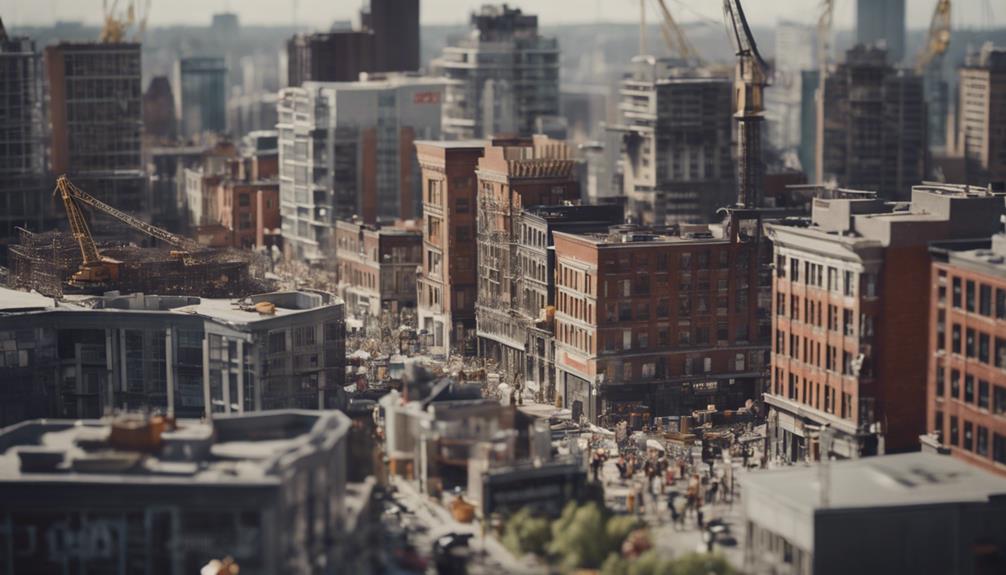
As you look into the impact of city migration on commercial real estate trends, you'll notice a significant shift towards suburban and secondary markets. High living costs and congestion in urban centers are pushing businesses and residents outward, sparking a surge in demand for office spaces in less congested, more affordable areas. This decentralization is accompanied by a need for flexible workspaces and advanced technological infrastructures, making these emerging markets increasingly attractive for new and relocating companies. The rise in value of commercial properties in these areas contrasts with dips in traditional urban centers. Understanding these trends offers you insights into future opportunities and challenges, encouraging further exploration into the evolving landscape of commercial real estate.

Analyzing Urban Migration Patterns

As cities evolve, so do their migration patterns. You've likely noticed how new developments and economic opportunities can attract a flood of people to urban areas. Conversely, factors like high living costs and congestion drive residents to either suburban or smaller urban centers. This constant ebb and flow reshape not just the skyline but also the demographic fabric of cities.

You might find it fascinating how these shifts influence local businesses. As different demographics move in, the types of services and products in demand change, prompting businesses to adapt or relocate.

For instance, a surge in a younger population might increase the demand for tech hubs, trendy cafes, and coworking spaces, altering the commercial landscape.

Moreover, the introduction of improved transportation options can redirect migration flows within a city. Improved subway lines or bike paths can make previously less accessible areas more attractive, pulling crowds and businesses towards these new hotspots.

Thus, staying informed about these migration trends is crucial for investors and businesses aiming to capitalize on the dynamic urban landscapes. Your understanding of these patterns might just be the key to spotting the next big opportunity or avoiding a potential downturn.

Demand Shifts in Office Rentals

Recent urban migration trends have significantly reshaped demand for office rentals. You've likely noticed more businesses relocating to suburban and secondary city markets, driven by shifting workforce dynamics. This decentralization has led to a surprising surge in demand in these areas, while traditionally dominant business hubs see a softening in their markets.

As you're considering where to invest or establish your business, it's essential to look at where people are moving. Remote work hasn't only persisted but expanded, influencing when and how office spaces are used. Companies are now seeking flexible office formats—spaces that can adapt for hybrid work models, which combine remote and in-office activities.

You should also think about the amenities these new office renters are seeking. Proximity to residential areas, ease of access, and enhanced technological infrastructures are top priorities. Moreover, the appeal of less congested, more affordable locales is pulling businesses away from city centers.

To stay competitive, consider how your properties can meet these new demands. Are you equipped to offer flexible lease terms? Do your office spaces provide the high-speed internet capabilities required for seamless digital work? Adapting to these shifts isn't just beneficial; it's necessary to thrive in the evolving commercial real estate landscape.

Impact on Commercial Property Values

The shifting landscape of urban migration has inevitably knocked down commercial property values in traditional city centers while boosting them in suburban and secondary markets. If you've invested in downtown skyscrapers or retail spaces, you might've noticed the dip. This isn't just about fewer people; it's about changing preferences and where businesses see their future growth.

On the flip side, if you're looking at properties in the suburbs or smaller cities, you're likely seeing a different story. These areas are becoming hotspots for commercial growth. As companies adapt to new demands, these markets offer lower costs and often, more space. This makes them increasingly attractive not just for startups but also for established businesses looking to expand or relocate.

What does this mean for you? Well, it's time to rethink your strategy. If you're holding onto urban properties, consider how you can make them more appealing or whether it's time to divest. Meanwhile, exploring opportunities in rising markets could be a smart move. Keep an eye on infrastructure developments and local economic policies—they'll be key indicators of where the next commercial hubs are likely to emerge. Don't miss out on the chance to get ahead of the curve.

Changes in Workplace Design Needs

Shifting workplace dynamics have significantly altered the design needs of commercial spaces. As you've likely noticed, the influx of workers into new urban areas demands innovative design solutions that cater to a diverse and dynamic workforce. Open floor plans aren't just trendy; they're now a staple in modern office layouts.

You've got to think about collaboration spaces, quiet zones, and flexible workstations that can adapt to the ever-changing needs of your team.

Moreover, the integration of technology has become paramount. It's not just about having fast internet anymore. You need smart conference rooms, high-tech hubs, and areas specifically designed for video conferencing to ensure seamless global connectivity.

Sustainability is another key factor you can't ignore. Eco-friendly materials and energy-efficient designs aren't just good for the planet—they're also increasingly demanded by tenants.

You'll find that more natural light, better air quality, and temperature controls not only save costs in the long run but also boost worker satisfaction and productivity.

Influence on Local Economy Growth

Fueled by the migration of diverse businesses and professionals into city centers, local economies are experiencing robust growth. You're witnessing a transformation where increased employment opportunities naturally follow the influx of companies setting up shop in urban areas. This isn't just about job creation; it's about the quality and diversity of these opportunities. Industries such as tech, finance, and creative sectors are booming, leading to a wide range of specialized roles that cater to your unique skills and interests.

Moreover, you'll see a rise in your local spending power. As more people move in, there's a higher demand for services and retail, boosting sales for local businesses from cafes to boutiques. This isn't merely a temporary surge; it's a sustainable boost to the economy that benefits everyone involved.

Not to forget, the increased population density leads to enhanced public infrastructure and services. Your public transportation becomes more efficient, streets are better maintained, and even public safety improves. All these factors combine to elevate the quality of life, making your city not just a place to work, but a vibrant community to live in.

Emerging Hotspots for Investors

As local economies grow and diversify, savvy investors are turning their attention to emerging hotspots within city centers. You're noticing that areas previously overlooked are now bustling with new businesses, boutique shops, and cultural hubs. This shift isn't just a trend; it's a goldmine for those who can spot potential early.

You've seen that traditional commercial districts are expanding, making room for innovative hubs where startups and tech companies thrive. These areas, often adjacent to major transport links, are increasingly attractive due to their connectivity and modern infrastructure.

You're eyeing properties that offer flexible office spaces and amenities that appeal to a dynamic workforce, which in turn draws more foot traffic and boosts property values.

Moreover, as you delve deeper, you're finding that mixed-use developments are particularly enticing. These complexes combine residential, office, and retail spaces, creating a micro-economy of their own. Investing in such properties means you're not just betting on one type of market but are diversifying your portfolio within a single location.

Future Projections for Urban Centers

Nearly every major urban center is poised for transformative growth over the next decade. As you look ahead, you'll see these cities adapting to the increasing demands of a growing population and evolving industries.

You're likely to witness a surge in construction of multifunctional buildings that seamlessly integrate residential, commercial, and recreational spaces. This isn't just about expanding upward but also about smarter, more sustainable urban planning.

You'll notice a growing emphasis on technology and infrastructure that supports remote work—a trend that's here to stay. Cities are expected to invest heavily in digital connectivity to attract businesses that prioritize flexibility and innovation. This shift will reshape the commercial real estate market, emphasizing locations that cater to tech-savvy companies and professionals.

Moreover, as you navigate these urban landscapes, you'll encounter enhanced public transportation systems designed to meet the environmental and efficiency standards of tomorrow. This won't only ease commuting but also increase the value of properties located near these hubs.

Conclusion

As you've seen, urban migration significantly shifts commercial real estate trends. Office rentals are adapting, property values are evolving, and workplace designs are transforming. This migration fuels local economies and creates new investment opportunities in emerging hotspots. Looking ahead, expect these urban centers to continue evolving. Stay informed and agile—these changes offer exciting prospects for savvy investors and businesses ready to capitalize on the dynamic landscape of urban commercial real estate.

Related articles: Navigating Retail Space Challenges in Economic Downturns

Market Insights Trends

Urban Migration’s Impact on Commercial Real Estate Trends

Urban migration's reshaping of commercial real estate trends is steering demand toward versatile and technology-ready spaces, leading to a rise in mixed-use properties in urban centers, and a notable shift in investment focus towards suburban areas where coworking spaces and vibrant social hubs are burgeoning. You'll notice rental prices are adjusting; they're increasing in thriving urban locales while potentially decreasing in areas with an outward migration. Office designs are evolving too, with more open layouts and a focus on well-being. These shifts aren't just nuances; they're critical for staying competitive. Discovering more about these trends gives you a strategic edge in decision-making.

Analyzing Demand Shifts in Urban Centers

In recent years, urban centers have witnessed significant shifts in demand for commercial real estate. As you've likely noticed, the landscape of city business districts is transforming. Traditional retail spaces and large office buildings aren't pulling in businesses like they used to. Instead, there's a surge towards mixed-use properties that combine residential, retail, and office spaces in one compact area. You're seeing more cafes, boutiques, and co-working spaces popping up, reflecting a preference for versatility and accessibility.

The shift isn't just about the types of buildings, but also their locations. You might find more enterprises setting up shop in suburban areas or smaller cities—not just the major urban hubs. This decentralization is partly due to changing work patterns, with more people working remotely and preferring to live and work outside traditional metropolitan centers.

Moreover, the tech industry's expansion has catalyzed a new wave of demand for innovative spaces. These businesses often look for properties that can support high-tech infrastructure, like advanced broadband capabilities and eco-friendly buildings. If you're in the market, you'd notice a growing emphasis on sustainability and technology-ready spaces, aligning with broader environmental and digital transformation trends.

Impact on Commercial Rental Prices

As urban migration shapes the commercial real estate landscape, rental prices inevitably adjust. You'll notice this particularly in thriving urban areas where the influx of both people and businesses drives demand higher. This heightened demand pushes rental prices up, affecting how you, as a business owner or investor, strategize around commercial real estate.

In cities experiencing significant urban migration, the competition for prime commercial spaces becomes fierce. You might find yourself bidding against multiple parties for a desirable location, leading to higher lease rates. This isn't just confined to retail spaces; it impacts all forms of commercial properties, including warehouses and special-purpose buildings.

However, it's not all upward trends. In areas where the migration is out of a particular part of the city, you may see rental prices decrease as buildings vacate and demand lessens. Here, opportunities arise for you to negotiate more favorable lease terms, possibly reducing your overhead significantly.

Understanding these dynamics allows you to better anticipate market changes and make informed decisions. Whether you're looking to lease, buy, or invest, keeping a pulse on how urban migration affects rental prices can be crucial to your success. Watch these trends closely—they directly influence your bottom line.

Changes in Office Space Design

Urban migration not only reshapes rental markets but also revolutionizes office space design. You've seen it firsthand. The influx of younger, tech-savvy professionals into cities has dramatically shifted what you expect from your workspace. It's no longer just about having a desk and a chair. Now, it's about creating environments that foster collaboration, flexibility, and wellness.

You'll notice more open floor plans that encourage interaction and teamwork. Gone are the days of high-walled cubicles; in their place, you find communal tables and spaces designed for comfort and productivity.

There's also a significant increase in the inclusion of natural elements. Plants, water features, and abundant natural light are now common, aimed at improving your well-being and, subsequently, your productivity.

Moreover, technology has been seamlessly integrated into these new designs. High-speed internet, wireless charging stations, and interactive whiteboards are just the start. You're living in an era where your office might also include VR zones for virtual meetings and AI-driven facilities management.

These changes aren't just cosmetic; they reflect a deeper understanding of how your environment affects your work output and satisfaction. Office designs are adapting fast, ensuring that your workspace isn't just a place to work, but a place to thrive.

Influence on Suburban Commercial Markets

You've seen how urban migration has transformed office spaces, and similarly, it's reshaping suburban commercial markets. As you watch the demographic shifts, it's clear that these migrations are influencing suburban landscapes profoundly. Retail spaces, for instance, are experiencing a renaissance as more people settle in the suburbs. This isn't just about more grocery stores or shopping centers; it's about a diversification of offerings. You're seeing more boutique shops, fitness centers, and specialty services that previously thrived primarily in urban settings.

Moreover, you'll notice a surge in coworking spaces in these areas. Suburban commercial markets are adapting as remote work becomes a staple. These spaces aren't only popping up but are also expanding their services to include conference rooms, tech hubs, and networking event areas to cater to a scattered workforce that prefers not to commute but requires office amenities.

Additionally, the restaurant sector in the suburbs is transforming. With more residents and higher demand, you're seeing an uptick in both chain and independent eateries, broadening dining options beyond the typical suburban fare. This shift is creating vibrant social hubs that were once exclusive to city centers, making the suburbs more appealing and lively.

Shifts in Investment Strategies

With growing suburban development, savvy investors are shifting their focus from traditional urban properties to those in burgeoning suburban areas. You're now seeing a trend where the promise of higher returns and lower risk beckons. As you adjust your portfolio, consider the rising demand for mixed-use spaces in these suburbs, driven by a younger demographic seeking the urban vibe without the city chaos.

You should also note the increased interest in sustainability and technology. Properties that offer green certifications and tech-friendly amenities aren't just a fad; they're becoming a necessity. You'll find that investing in buildings with energy-efficient systems and robust digital infrastructure could set you apart in a competitive market.

Moreover, don't overlook the importance of flexibility in commercial spaces. With the nature of work evolving, spaces that can be easily adapted to different uses are becoming more appealing. Think about properties that could switch from offices to co-working spaces or event venues with minor adjustments.

This strategic pivot isn't just about following the crowd. It's about anticipating needs and staying ahead. As you refine your investment strategy, remember that understanding these shifts can lead to substantial growth and resilience in your real estate endeavors.

Future Predictions for Urban CRE

Looking ahead, three major trends will likely reshape the landscape of urban commercial real estate (CRE).

First, you'll see a surge in adaptive reuse projects. As preferences shift away from traditional office spaces, developers are turning old buildings into mixed-use properties, blending retail, office, and residential spaces. This isn't just a trend; it's a necessity, driven by the changing demands of city dwellers and businesses alike.

Secondly, technology will play a pivotal role. You can expect smart buildings equipped with IoT devices to become the norm rather than the exception. These buildings will offer enhanced efficiency, security, and comfort, attracting tech-savvy tenants and investors focused on future-proof properties.

Lastly, sustainability will move from an optional feature to a compulsory one. In response to increasing environmental concerns, urban CRE will have to adhere to stricter sustainability standards. Green buildings, energy-efficient designs, and eco-friendly materials will dominate new developments and retrofits.

These shifts suggest that you'll need to stay agile. Whether you're investing in, developing, or managing urban CRE, staying ahead of these trends will be crucial for your success. Keep an eye on these developments—they're not just predictions; they're the blueprint for the future of urban CRE.

Conclusion

As you've seen, urban migration significantly shapes commercial real estate trends. The rising demand in urban centers boosts commercial rental prices and reshapes office space design. It's also spilling over into suburban markets, altering investment strategies. Stay ahead of the curve by understanding these shifts. Keep an eye on how these trends evolve, as they'll undoubtedly influence your decisions whether you're investing, developing, or simply observing the landscape of urban commercial real estate.

Related articles: Impact of City Migration on Commercial Real Estate Trends

Market Insights Trends

Is City Migration Reducing Commercial Space Demand?

You might think that city migration reduces commercial space demand, but it's more complex than that. As you and others continue moving towards urban centers for the vibrant life and connectivity they offer, there's a shift. Demand for traditional office spaces might have dipped due to remote work trends, but there's a rising interest in flexible, tech-adapted offices in city centers. Suburbs are witnessing an increase in commercial activities too, driven by lower costs and growing consumer bases. This evolving dynamic suggests you should consider both the opportunities and challenges these shifts present, perhaps guiding your next strategic decision in navigating this changing landscape.

Analyzing Urban Population Shifts

Urban centers are experiencing a dynamic shift in population trends, with young professionals increasingly opting for city life. You've probably noticed more bustling activities, new cafes, and tech hubs cropping up in your city. This trend isn't just about convenience; it's driven by the desire for connectivity and vibrant, walkable environments that blend work and leisure seamlessly.

As you consider this shift, think about the variety of housing developments emerging to accommodate these young professionals. Smaller, more affordable living spaces with ample amenities are becoming the norm. These aren't just places to sleep; they're designed as integrated communities that cater to both the personal and professional lives of their residents.

Moreover, you're seeing a change in transportation preferences. The reliance on cars is diminishing as more people turn to public transit, biking, and walking, driven by environmental concerns and the appeal of city life. This transformation is altering the urban landscape, making it greener and more sustainable.

Such shifts aren't isolated. They reflect broader changes in societal values towards sustainability and community living, indicating a profound transformation in how cities will develop in the coming years. You're witnessing a pivotal moment in urban evolution.

Impact on Downtown Office Markets

As young professionals flock to city centers, downtown office markets are undergoing significant transformation. You're seeing older buildings repurposed and new developments rise, each vying for the attention of burgeoning tech firms and startups. This influx is driving up demand for modern, flexible office spaces that can accommodate the shifting preferences of today's workforce.

You've likely noticed more open floor plans and shared workspaces, haven't you? These aren't just trends. They're responses to the demand for collaborative environments that foster innovation and flexibility. As you walk through these revitalized areas, you'll see more amenities too—like fitness centers, bike racks, and green spaces—all designed to attract a dynamic workforce who values both work and wellbeing.

However, this transformation isn't without its challenges. The increased demand drives up rental costs, potentially pushing out older, established businesses unable to compete with the influx of cash-rich startups and tech giants.

You might find that while the office landscape is more attractive, it's also becoming less accessible to traditional businesses. This shift could redefine the economic fabric of downtown, prioritizing tech and innovation-driven enterprises over conventional business models.

Suburban Growth and Space Demand

While city centers experience a resurgence, suburban areas are also seeing a notable increase in commercial space demand. You might notice that small to mid-size businesses, in particular, are flocking to these areas. They're attracted by lower rents and the promise of a growing consumer base, who prefer the convenience of suburban shopping and services.

As you explore further, you'll see that this isn't just about retail spaces. Medical offices, fitness centers, and specialty grocers are expanding into these neighborhoods. It's a strategic move. They're positioning themselves closer to where people live, aiming to capture both daily needs and discretionary spending.

This trend isn't isolated. Across various regions, the data shows a steady climb in suburban commercial property investments.

What does this mean for you? If you're a business owner, looking to the suburbs might offer valuable opportunities. Lower overhead costs and potentially higher foot traffic can be a winning combination. For investors, it's crucial to monitor these evolving patterns.

Suburban markets may offer robust returns, especially as these areas develop their own economic and social hubs, independent from city centers.

Remote Work Trends' Influence

The rise of remote work reshapes your considerations as a business owner or investor when evaluating commercial space demand. You're now faced with a workforce that increasingly prefers, and often expects, the flexibility to work from anywhere. This seismic shift isn't just a temporary blip caused by the global pandemic; it's a lasting change that's altering how you should think about real estate investments.

As you observe these trends, you'll notice a decrease in the demand for large, traditional office spaces as businesses adopt hybrid or fully remote models. This doesn't mean commercial spaces are becoming obsolete, but it does signal a shift in what types of spaces are in demand. You're likely seeing fewer requests for high-rise office leases and more for smaller, more flexible workspaces that can serve multiple purposes.

Moreover, the geographical preferences of your potential tenants have likely shifted. With less need to commute daily, businesses are reconsidering the premium they once placed on city center locations. This could influence your investment decisions, leading you to explore opportunities in areas that were previously overlooked but now offer potential due to the rise of remote work.

Changing Preferences in Workspaces

Shifting workspace preferences are significantly impacting your strategy for investing in commercial properties. Today, you're seeing a lean towards flexible workspaces that offer hybrid models of operation. This shift means that traditional, large office spaces aren't as attractive as they once were. You'll find more value in properties that can accommodate shared spaces, hot-desking, and areas that foster collaboration and creativity.

You also can't ignore the rise of coworking spaces. These aren't just for freelancers or small startups anymore; major corporations are integrating these into their real estate strategy to provide employees with more options and reduce overhead costs. This trend is reshaping the kind of properties that are in demand. Adaptability in floor plans and the ability to offer a mix of private and communal areas are becoming key features.

Moreover, the emphasis on sustainability and wellness has grown. You'll want to look for properties that support a green certificate or provide wellness programs. These features are now often deal-breakers for tenants. As you pivot your investment focus, consider how a building's design and amenities promote a healthier, more engaging work environment. This is where the future tenants are heading, and so should you.

Economic Implications for Landlords

As a landlord, you face significant economic implications due to the evolving commercial space demands. City migration patterns have shifted, and with them, the landscape of commercial leasing has transformed. You're seeing a decline in demand for traditional office spaces, and this trend pressures you to rethink your investment strategies and property management approaches.

You might notice that your usual long-term tenants are now negotiating for shorter leases or seeking flexible terms that allow them to adapt to changing workforce dynamics. This shift can disrupt your cash flow and financial forecasting. To stay profitable, you're now tasked with innovating your spaces to meet new demands.

This could mean redesigning interiors to support co-working setups or investing in high-tech facilities that cater to a tech-savvy tenant base.

Moreover, the decrease in steady, reliable tenants increases your vacancies. Each vacant property isn't just a missed income opportunity; it's a continual drain on resources for maintenance and marketing efforts. You're likely spending more now than ever before on advertising your spaces and enticing potential tenants with favorable lease terms.

Navigating these changes requires a keen eye on market trends and a flexible approach to property management. The landscape is challenging, but adaptability may well be your most valuable asset in this new commercial property market.

Future Projections for Office Spaces

Many experts predict that office spaces will undergo significant transformations in the coming years. You'll likely see a shift towards more flexible designs that can adapt to different business needs and employee preferences. As you adapt to these changes, you might find that traditional long-term leases become less common, replaced by shorter, more flexible agreements to better suit the fluid nature of modern businesses.

Furthermore, you should expect an increase in the integration of technology in office spaces. Smart offices equipped with advanced systems for automating lighting, heating, security, and more are on the rise. This won't just enhance efficiency but also provide a safer, more comfortable environment for you and your employees.

For you, this means a need to stay adaptable and informed about the latest office design trends and technological advancements. Investing in adaptable office spaces and technology will be crucial to keeping your business competitive and attractive to a workforce that values flexibility and innovation.

Lastly, consider the location. The trend towards remote work might lead you to think about reducing your physical office footprint or relocating to areas with lower costs and better quality of life, keeping operational costs in check while maintaining productivity and employee satisfaction.

Conclusion

You've seen how the migration from cities impacts commercial spaces. Downtown markets are feeling the pinch as remote work becomes the norm and preferences shift towards flexible workspaces. Suburban areas, on the other hand, might just be your new hotspot for investment. As a landlord, adapting to these changes is crucial. Looking ahead, expect a transformation in office space demand. Stay agile—those who innovate and adjust to these evolving trends will likely reap the benefits.

Related articles: Urban Migration’s Impact on Commercial Real Estate Trends

Market Insights Trends

Office Spaces Shrink as Cities Swell: Market Mayhem

As cities swell with vibrating energy, you'll find the hunt for premium office space increasingly competitive. Businesses clamber for strategic spots near bustling hubs, causing a spike in rental rates despite shrinking office sizes. Emphasis has shifted toward collaborative, flexible workspaces, influenced by a tech-driven need for less physical storage space and a cultural pivot that values connectivity. Even though offices are getting smaller, don't expect a drop in prices; modern amenities and prestigious addresses keep them steep. Curiously, as you explore this compacted landscape, you'll uncover inventive adaptations and futuristic designs that promise to redefine urban work environments.

Rising Demand for Urban Office Space

As cities grow more vibrant and populous, the demand for urban office space is skyrocketing. You're seeing businesses, from startups to established corporations, scramble to find suitable locations that not only meet their logistical needs but also enhance their visibility and accessibility. This surge isn't just about having a place to work; it's about making a statement in the marketplace.

In the heart of cities, where space becomes a premium commodity, the race for acquiring or leasing office spaces pushes prices upwards. You might find that costs are climbing, not just in terms of rent, but also in the associated expenses like property taxes and maintenance fees. It's not unusual now for businesses to allocate a significant portion of their budget to securing a spot in these urban centers.

Moreover, the quest for proximity to innovation hubs, tech parks, and business districts is intensifying.

You see, being close to these nerve centers means better networking opportunities, faster access to industry trends, and a stronger presence in the economic landscape of the city. Each of these elements is crucial as you strive to position your business advantageously in an increasingly competitive market.

Shrinking Office Sizes in Metro Areas

Office sizes in metropolitan areas are noticeably contracting. You've probably seen the shift; sprawling offices are giving way to more compact models. It's not just about cutting costs; it's about adapting to new work styles.

As you navigate these tighter spaces, you're finding that they encourage a more collaborative environment. There's less room for sprawling desks and more emphasis on shared spaces.

You might wonder why this squeeze is happening. Well, as urban centers grow denser, companies are pressed to make the most of every square foot. And let's face it, technology has shrunk the need for physical storage with cloud solutions stepping in, enabling smaller desk footprints and fewer filing cabinets.

But it's not just practicality driving this change. There's a cultural shift at play too. You're seeing a move towards more dynamic work environments that foster interaction and flexibility. These smaller, more versatile office setups are responding to the needs of a workforce that values connectivity and convenience over square footage.

Impact on Commercial Real Estate Prices

You might notice that despite the decrease in office size, commercial real estate prices in urban centers don't always follow suit. It's puzzling, isn't it? You'd expect smaller office spaces to cost less, but that's not the case. Here's why: demand in bustling city centers remains high regardless of size. Companies still clamor for prestigious addresses and proximity to business hubs, which keeps prices up.

Moreover, as companies adapt to changing work dynamics, such as hybrid models, they're looking not just for smaller spaces but smarter ones. These modern, tech-enabled offices are more expensive to design and maintain, pushing lease prices higher, even if the square footage shrinks.

You're also competing with a variety of new players in the market. It's not just traditional businesses in these spaces anymore. Start-ups, co-working spaces, and pop-up shops are all vying for prime real estate, driving up costs.

Adaptive Reuse of Larger Properties

In response to shrinking office sizes, many developers have turned to the adaptive reuse of larger properties. You've seen these transformations around—old warehouses becoming trendy lofts, or vast factory floors repurposed into open-plan offices. This isn't just a stylistic choice; it's a strategic response to the tightening market. By revitalizing these spaces, developers tap into a new niche, blending historical charm with modern functionality.

You might wonder how this affects you. Well, if you're looking for office space, these converted properties can offer more square footage at a competitive price, not to mention a unique atmosphere that could set your business apart. They're also typically located in older, more central parts of the city, which means better accessibility for you and your team.

However, it's not without challenges. These buildings can come with higher renovation costs due to their age and structural restrictions. You'll need to weigh these potential hurdles against the benefits of occupying a distinctive space that mirrors your company's innovative spirit.

Future Trends in Office Space Design

As cities evolve, so too must the design of their office spaces. You'll notice the introduction of flexible layouts that adapt to different work styles and team sizes. Imagine movable walls and furniture that can easily be reconfigured by the workers themselves, offering a tailored environment for every task.

You're also going to see a surge in biophilic design. This isn't just about adding a plant or two. It's about integrating natural elements into the very fabric of the building to enhance your well-being. Think living green walls, natural light, and building materials that mimic the outdoors. It's all designed to boost your productivity and mood.

Sustainability will be at the heart of future offices. You'll be working in spaces that not only reduce environmental impact through energy efficiency and waste reduction but also help companies meet their corporate social responsibility goals.

Tech integration will become seamless, with smart technology managing everything from climate control to booking meeting rooms, all tailored to enhance your efficiency.

As you look ahead, expect these innovations to not just shape where you work, but how you feel about work itself, making office spaces healthier, more adjustable, and increasingly aligned with personal and environmental well-being.

Conclusion

You're witnessing a dynamic shift as urban office spaces get smaller while demand skyrockets. This squeeze is pushing commercial real estate prices upward, altering how larger properties are repurposed. Keep an eye on future designs—they'll likely emphasize flexibility and efficiency, transforming the way you work in the city. As these trends evolve, you'll need to adapt swiftly to stay ahead in this bustling, ever-changing market environment. Embrace the change; it's reshaping your urban work landscape.

Related articles: Is City Migration Reducing Commercial Space Demand?

Market Insights Trends

Why Are Urban Migrations Reshaping Commercial Spaces?

You're seeing commercial spaces transform because urban migrations are drawing in diverse populations and changing demands. New demographics, especially younger folks and varied ethnic groups, are reshaping where and how businesses operate, driving a rise in mixed-use developments that tie together living, working, and socializing. This shift invites more foot traffic and broadens customer bases for businesses, sparking a dynamic evolution in the commercial landscape. Offices are also adapting, with more remote work options reflecting these newer, flexible lifestyles. Interested in shaping your business strategies or living arrangements? There's much to explore about these emerging urban opportunities.

Shifts in Demographic Patterns

Urban centers frequently experience significant shifts in demographic patterns as populations migrate in search of better opportunities, amenities, and lifestyles. You've probably noticed how such shifts dramatically reshape the landscape of cities, influencing not only the housing market but also the commercial sector. As younger generations and diverse ethnic groups move into urban areas, their unique needs and preferences prompt a change in the types of businesses that flourish.

For instance, as you walk through revitalized neighborhoods, you might see an increase in artsy coffee shops, boutique stores, and tech hubs, all catering to the new demographic's tastes and demands. These changes aren't just about commerce; they're a direct response to the cultural and economic energy that new residents bring.

This influx often displaces older, perhaps less economically vibrant businesses, making room for ventures that align more closely with the current urban lifestyle and economic climate.

Moreover, the shift can lead to a reevaluation of public spaces and amenities. City planners and developers are pushed to innovate and redesign urban environments to accommodate the growing and changing population. As a result, you see more pedestrian-friendly zones, green spaces, and community-focused areas, all of which aim to enhance the quality of urban living.

Demand for Mixed-Use Developments

As demographic landscapes in urban centers shift, the demand for mixed-use developments has surged. You've likely seen these multi-purpose spaces popping up more frequently. They combine residential, commercial, and sometimes cultural or institutional uses into one integrated locale. This isn't just a trend; it's a response to your changing needs and desires as an urban dweller.

You want convenience, right? Imagine living in a building where you can drop off your dry cleaning, grab a coffee, and check in at a coworking space—all before hitting the ground floor. Mixed-use developments are designed to offer you this seamless integration of services, reducing the need to travel far from home for daily necessities or leisure activities.

Moreover, these developments foster community interactions. The close proximity of homes, shops, and workspaces creates a bustling environment where you can more easily connect with others. This isn't only good for your social life; it's beneficial for businesses too.

A vibrant community directly outside their doors means more foot traffic and potential customers.

Evolution of Workforce Distribution

The workforce distribution across cities is undergoing significant changes, reshaping where and how you work. As industries evolve and new technologies emerge, you're seeing a shift in job locations and types. This isn't just about tech anymore; traditional sectors like manufacturing and services are also finding new homes in urban centers.

You might notice fewer people commuting to traditional office hubs; instead, they're heading to innovation districts or mixed-use developments that blend residential, commercial, and leisure spaces.

This shift means you're not just working in different places, but in different ways. The rise of remote and flexible working arrangements allows you to choose when and where you're most productive. Whether it's a coffee shop in a bustling district or a quieter, suburban coworking space, the options are expanding.

Moreover, the diversity of urban environments is attracting a broader spectrum of talents and creating more inclusive economic ecosystems. You're part of a dynamic pool of professionals who no longer need to stick to one city corner or a nine-to-five routine. This flexibility is likely enhancing your work-life balance, making urban centers not just places to work, but better places to live.

Impact on Rental Market Dynamics

Shifting workforce patterns are significantly impacting rental market dynamics in urban areas. As you've noticed, the influx of workers into cities has led to a surge in demand for residential rentals near commercial hubs. This shift isn't just about where people work; it's about how these areas adapt to new demands.

You're seeing that landlords and property managers are now prioritizing amenities that cater to a more transient, work-focused population. Fast internet, flexible lease terms, and work-from-home spaces within rental units are becoming standard offerings. But what does this mean for you? Well, it translates into higher rents due to increased demand and the added cost of upgraded amenities.

Moreover, you might find the rental market more competitive than ever. With more people vying for units that cater to their new work-life integration, availability in desirable locations is tightening. You'll need to be quick and perhaps more flexible in your expectations to secure a spot that meets your needs.

Changes in Commercial Property Valuation

Urban migrations are also reshaping how commercial properties are valued. As you've noticed, the influx of people moving into urban areas isn't just changing the skyline; it's fundamentally altering the calculus for property valuation.

Traditionally, the value of commercial real estate depended heavily on location in relation to business districts and retail hubs. But now, there's a shift. You're seeing a surge in value in areas previously considered peripheral because these are becoming new centers of activity.

This reevaluation isn't limited to the obvious spots. Smaller properties on the outskirts of urban zones, which were once low in market appeal, are suddenly in the spotlight. This means if you're investing, you might want to look beyond the traditional hotspots. There's potential brewing in less conventional areas, driven by shifting population densities and the accompanying commercial needs.

Moreover, the way properties are being appraised has changed. Appraisers are now considering factors like accessibility to public transport more heavily than before. If you own property near a newly developed metro station, you're likely to witness a significant bump in its value. Understanding these dynamics is crucial, especially if you're planning to buy or sell soon. This isn't just about following trends; it's about anticipating them.

Trends in Retail and Service Sectors

Retail and service sectors are experiencing transformative trends as urban migrations continue to influence market demands. You've probably noticed more boutique coffee shops and artisanal stores popping up in your downtown area. This isn't by accident. As people flock to urban centers, there's a growing preference for personalized, experience-based shopping over traditional big-box retail.

You're also seeing a surge in service-oriented businesses. Pop-up salons, mobile pet groomers, and coworking spaces cater to the busy urbanite who values convenience and flexibility. These businesses understand that you're looking for services that fit into your hectic schedule and are within walking distance from your apartment or office.

Moreover, the rise of e-commerce has forced physical stores to innovate. They're now integrating technology to enhance your shopping experience. Interactive kiosks, virtual fitting rooms, and app-based loyalty programs are becoming common. Retailers want to blend online and offline worlds, making shopping seamless and more engaging for you.

As these trends accelerate, expect to see even more changes. Retailers and service providers are adapting quickly, ensuring they meet your needs and preferences as they evolve in these dynamic urban environments.

Influence on Public Transport and Infrastructure

As more people move into cities, public transport systems are undergoing significant changes to accommodate increased demand. You're seeing more frequent bus and train services, extended operational hours, and even the introduction of new routes. It's not just about managing more passengers; it's about enhancing your daily commute. Upgrades in technology mean you're likely experiencing smoother rides and less waiting time.

Moreover, the push for sustainable transport options has accelerated. You've probably noticed more bike lanes and electric bus fleets, aimed at reducing the city's carbon footprint. These shifts aren't just good for the planet; they often lead to more reliable and cost-effective public services.

With the influx of commuters, infrastructure improvements are crucial. You're witnessing the expansion of roads, bridges, and tunnels to ease congestion. Transit hubs are becoming more integrated, making your transfer from a bus to a train a breeze. It's all part of a broader strategy to make city living more accessible and efficient for you and your fellow urbanites.

This transformation of public transport and infrastructure isn't just responding to current needs—it's reshaping how you interact with your city, making urban centers more livable and business-friendly.

Future Projections for Urban Commercial Growth

You'll likely see commercial sectors booming as cities continue to draw more residents. As you look ahead, the influx of people into urban areas isn't just changing the city skyline; it's redefining the very fabric of commercial real estate.

You're witnessing a shift from traditional retail to mixed-use developments that blend shopping, living, and working spaces.

Given this trend, you can expect the emergence of more pedestrian-friendly zones in urban centers. These areas, designed with accessibility in mind, aren't just about convenience. They're about creating spaces where community and commerce intersect seamlessly.

Watch for increased investments in public spaces that serve both social and economic functions, enhancing the value of nearby commercial properties.

Moreover, technology will play a pivotal role. You'll see smarter commercial buildings equipped with the latest in sustainability and connectivity. This isn't just good for the planet; it makes financial sense, attracting businesses that prioritize green values.

Conclusion

As you've seen, urban migrations are fundamentally transforming commercial spaces. Mixed-use developments are becoming essential, and the evolving workforce is altering rental markets and property values. Retail and services must adapt to these shifts, influencing public transport and infrastructure needs. Looking forward, expect these trends to deepen, offering both challenges and opportunities. Embrace these changes; they're shaping the future of urban commercial growth, demanding innovative approaches to thrive in the reshaped landscapes of our cities.

Related articles: Office Spaces Shrink as Cities Swell: Market Mayhem

Market Insights Trends

10 Ways Urban Migration Reshapes Commercial Real Estate

Urban migration reshapes commercial real estate in multiple ways, impacting how and where you work, shop, and live. As cities grow, you'll see more demand for technologically-advanced office spaces featuring flexible work arrangements and sustainability-focused designs. Property values in urban centers are climbing due to the influx and redevelopment, making both commercial and residential spaces more valuable. Mixed-use developments combine living, working, and leisure, reducing your need to commute and boosting local businesses with constant foot traffic. Moreover, the surge in co-working spaces offers you flexibility and networking opportunities unlike ever before. Discover how these transformations could further evolve urban landscapes.

Increased Demand for Office Space

As cities grow, so does the demand for office space. You'll find that in bustling urban centers, companies are ever-eager to tap into the dense pools of talent and resources. This surge isn't just about quantity; it's about quality too. Modern businesses crave innovative, tech-enabled environments that not only attract but retain top talent.

In your city, you might've noticed newer, sleek office buildings popping up, or older ones getting facelifts. These aren't just cosmetic upgrades. Inside, they're equipped with the latest technology and designed to support flexible work arrangements — something you've probably come to appreciate.

Open spaces, natural light, communal areas that encourage collaboration, and even green zones are becoming the norm.

You're also seeing a rise in co-working spaces. These hubs aren't just for freelancers or small startups anymore. Larger companies are utilizing these flexible, cost-effective solutions to manage team sizes and project needs dynamically. It's a shift that supports short-term and scalable growth options without the commitment of traditional long-term leases.

This trend reflects a broader transformation as businesses adapt to new work cultures and technologies, ensuring they remain competitive and appealing to a workforce that values flexibility and innovation.

Shifts in Property Values

Urban migration and the burgeoning demand for modern office spaces are reshaping property values in cities. As you look into the real estate market, you'll notice a striking upsurge in the value of properties located in urban centers. This isn't just a random spike; it's driven by the increasing influx of people and businesses into these areas.

The core of the city, with its promise of connectivity and accessibility, is becoming a magnet for investors and developers. You've probably seen older buildings getting facelifts and new constructions popping up. Each project adds a layer of value to the urban landscape, pushing property prices upward.

This trend isn't limited to commercial spaces either. Residential properties in these areas are also seeing a boost in value due to their proximity to amenities and employment opportunities.

However, it's not all rosy. The shift in property values can lead to increased living costs and may push out long-time residents and small businesses unable to keep pace with rising rents. As you navigate this evolving market, it's crucial to understand these dynamics. They not only affect investment opportunities but also shape the economic and social fabric of urban communities.

Evolution of Workplace Design

How has the design of workplaces transformed in response to urban migration? As you're probably aware, the influx of workers into urban areas has significantly altered how office spaces are conceptualized and executed.

Historically, corporate environments were sprawling campuses on city outskirts. Now, there's a pivot towards integrating workplaces into the urban fabric, where accessibility and connectivity reign supreme.

You've likely noticed more open-plan offices, which foster collaboration and adaptability. These designs aren't just trendy; they're a response to the need for flexible work environments that accommodate fluctuating staff levels and diverse tasks.

Moreover, sustainability has become a cornerstone. Today's urban offices often feature energy-efficient systems and green spaces, which not only reduce operational costs but also appeal to environmentally conscious workers.

Additionally, technology has been seamlessly integrated into modern workplaces. From smart thermostats to advanced security systems, tech enhancements are reshaping how you interact with your workspace, making it more efficient and responsive to your needs.

This evolution reflects the changing demographics and preferences of an increasingly mobile workforce, ensuring that workplaces not only attract but also retain top talent in competitive urban landscapes.

Rise of Mixed-Use Developments

Reflecting the evolution of workplace design, mixed-use developments have emerged as a prominent feature in urban landscapes. These complexes blend residential, commercial, and sometimes cultural spaces into one seamless environment. You'll find that living, working, and playing in proximity offers unparalleled convenience and fosters a vibrant community atmosphere. This shift isn't just about aesthetics; it's reshaping how you interact with your city.

You can see the appeal as these developments reduce your need to commute, allowing for a more relaxed lifestyle. Imagine having your office, favorite coffee shop, gym, and even grocery stores all within walking distance of your apartment. This setup not only saves you time but it also cuts down on city congestion and car dependency.

Moreover, these buildings often include green spaces, which provide essential urban oases that enhance your quality of life.

The rise of mixed-use developments also changes the game for businesses. Companies are attracted to these hubs due to high foot traffic and the diversity of potential customers residing just floors away. For developers, these projects promise higher revenue streams from multiple sources: rent from residents, leases from retail units, and sometimes fees from event spaces. As you adapt to urban life, these developments are tailoring cities to meet your needs more effectively.

Impact on Local Infrastructure

As cities adapt to the surge in mixed-use developments, the strain on local infrastructure becomes increasingly apparent. You'll notice this most when you're stuck in traffic longer than usual or when public transportation becomes overcrowded at unexpected times. It's not just about inconvenience; these symptoms signal deeper issues beneath the surface.

Utilities face significant pressure too. Water and power systems, originally designed for smaller populations, now must service a multitude of residential and commercial spaces packed into the same area. You might experience this as low water pressure in your apartment or frequent power outages in your neighborhood.

Moreover, the increased density demands more from emergency services. When you dial emergency numbers, the response time may have increased, not due to lack of effort but because of the sheer volume of calls and the complexity of navigating busier streets.

Waste management is another critical area. More people means more waste, and if you're seeing overflowing bins or disrupted garbage collection schedules, it's a sign that the existing facilities are struggling to keep up with the demand.

Understanding these impacts, it's crucial for you to support local measures aimed at upgrading these systems. The sustainability of urban growth heavily relies on robust local infrastructure capable of supporting its residents and businesses.

Changes in Lease Structures

Why are you seeing new terms in your lease agreements? Urban migration is reshaping how leases are structured, adapting to the changing demands of businesses and residents moving into cities. As more people flock to urban areas, the demand for flexible and innovative leasing options increases.

You're likely noticing shorter lease terms now. Traditionally, commercial leases locked in tenants for long periods, often five to ten years. However, in today's fast-paced market, businesses seek more flexibility to adapt to rapid changes and uncertain futures. Thus, leases are evolving to include shorter durations and renewal options that allow businesses to pivot or expand without being tied down for too long.

Another emerging trend you might see is the inclusion of performance-based clauses. These terms link lease conditions to business performance metrics, offering a way to mitigate risks for both landlords and tenants. If a business underperforms, it might benefit from reduced rent, whereas exceeding certain thresholds could favor the landlord with increased payments.

These changes aim to make leases more adaptable to the dynamic urban landscape, ensuring that both property owners and tenants can navigate the uncertainties of urban growth effectively.

Growth of Co-working Spaces

With urban migration, co-working spaces have become increasingly popular, offering flexibility that traditional office settings can't match. You're seeing a surge in these modern, shared environments as more professionals move to cities in search of better opportunities and lifestyle choices.

Co-working spaces cater to this shift by providing not just a desk, but a community. They're outfitted with high-speed internet, meeting rooms, and often, perks like coffee bars and wellness areas.

You might notice that these spaces are popping up not just in business districts but in residential areas too, making it easier for you to walk or bike to work. This proximity reduces commute times and enhances your work-life balance.

Moreover, co-working spaces are adaptable; they scale with your needs. You can start with a hot desk a few times a week and move to a dedicated desk or private office as your venture grows.

Additionally, the networking opportunities in co-working environments are invaluable. You're working alongside like-minded professionals from various industries, opening doors to collaboration and innovation that you wouldn't find in a traditional office setting.

As urban centers continue to grow, co-working spaces aren't just surviving; they're thriving, reshaping the way you work and interact professionally.

Adaptation of Retail Spaces

Retail spaces are rapidly evolving to meet the shifting demands of urban consumers. As you've probably noticed, the traditional large department stores are downsizing, and in their place, multi-functional spaces that blend shopping, socializing, and entertainment are emerging.

You're seeing more pop-up stores and boutiques that offer unique, often locally-sourced products, which not only draw you in but also create a personalized shopping experience.

Moreover, with the rise of online shopping, physical stores are transforming to serve dual purposes. They're becoming showrooms where you can touch and feel products before making an online purchase, or pick-up points for goods you've ordered online. This shift means you're likely spending less time in queues and more time enjoying interactive, technology-driven shopping experiences.

Sustainability is another key driver you'll notice. Retailers are increasingly adopting green practices, from energy-efficient designs to stocking eco-friendly products. This not only caters to your growing environmental consciousness but also helps businesses cut costs and appeal to a broader market.

As urban centers grow denser, these adapted retail spaces are designed not just to sell products but to enrich your lifestyle and foster community connections. They're not just shops; they're becoming destinations in their own right.

Implications for Transportation Networks

As urban centers attract more residents and reshape retail spaces, transportation networks must adapt accordingly.

You'll notice that as more people flock to cities, the demands on public transit and roadway systems intensify. You're likely to see an increase in public transit options, aiming to reduce the reliance on personal vehicles and alleviate congestion. This shift not only improves commute times but also enhances access to urban retail areas, making them more attractive to consumers and workers alike.

You might also find that pedestrian and cycling infrastructure is expanding. Cities are adapting their layouts to encourage walking and biking, which eases transport pressures and supports local businesses. As a result, you'll see wider sidewalks, bike lanes, and safer crossings being integrated into urban planning. These changes make it easier for you to move around, enhancing your urban living and shopping experience.

Moreover, the surge in urban populations and retail activity necessitates more sophisticated traffic management technologies. You're likely to encounter improved traffic flow systems and smart city solutions that streamline vehicle and pedestrian movements, optimizing your time and reducing frustrations associated with crowded city environments.

Environmental Considerations

Urban migration not only transforms landscapes but also imposes significant environmental challenges. As you witness cities expanding, you're also seeing more concrete, less green space, and increased air pollution. It's crucial to recognize how these changes impact the commercial real estate sector and what you can do about it.

Firstly, the development of commercial properties must consider sustainable building practices. You've got options like green roofing, energy-efficient systems, and better waste management solutions. These aren't just good for the planet; they often lead to cost savings in the long run through reduced energy bills and fewer regulatory hurdles.

Moreover, as green spaces shrink, you need to think creatively about integrating nature back into urban environments.

This could mean designing buildings with vertical gardens or ensuring easy access to nearby parks. Not only do these efforts support local ecosystems, but they also make properties more attractive to eco-conscious tenants and customers.

Conclusion

As you've seen, urban migration significantly transforms commercial real estate. You'll notice increased office demand, shifting property values, and evolving workplace designs. Mixed-use developments are on the rise, influencing local infrastructure and co-working spaces. Your shopping experiences will adapt as retail spaces evolve. Moreover, the expansion of transportation networks and environmental considerations are becoming pivotal. Embrace these changes, as they're reshaping not just landscapes but also how you live, work, and interact in urban environments.

Related articles: Why Are Urban Migrations Reshaping Commercial Spaces?

Market Insights Trends

How Urban Migration Influences Office Space Markets

As you move towards urban centers, you'll find that office space markets adjust to meet evolving demands driven by urban migration. You're seeing higher rental prices due to increased demand, especially in city centers where proximity to amenities and business hubs is critical. Office designs are shifting too, from traditional closed spaces to open, flexible layouts conducive to modern work styles. This influx of people and corporations into cities leads to fierce competition for prime office locations. The landscape of office spaces is transforming, setting the stage for new trends and investment opportunities that could significantly impact your decision-making process if you explore further.

Defining Urban Migration

Urban migration refers to the movement of people from rural areas to cities in search of better job opportunities, education, and lifestyle. You'll see this phenomenon as a key driver in transforming urban landscapes. As you move to the city, you're part of a larger wave that demands more housing, services, and infrastructure.

The influx of new city dwellers like yourself also stirs significant economic activity. You're not just looking for a place to stay; you're also seeking employment, which leads to a rise in job creation. This isn't just in the traditional sectors you might expect, such as retail or public services, but also in tech, finance, and creative industries that thrive on urban density.

Moreover, your move has a ripple effect on the educational system. Cities often respond by expanding educational facilities and opportunities, aiming to meet the increased demand. This, in turn, attracts more families and young professionals who prioritize access to quality education.

As cities grow, so do their cultural and lifestyle offerings, making them more attractive places to live. You benefit from improved amenities, diverse cultural scenes, and a broader social fabric, which can enhance your quality of life compared to rural settings.

Historical Migration Trends

Throughout history, vast shifts in populations have shaped the economic and social landscapes of cities worldwide. You've seen how these movements, driven by factors like industrialization, wars, and economic opportunities, have transformed once small towns into bustling metropolitan hubs.

Initially, rural inhabitants moved to cities to find better job prospects, especially during the industrial revolutions when factories needed labor.

As you delve deeper, you'll notice patterns where people migrated towards regions that promised more prosperity. For instance, the Great Migration in the United States during the early to mid-20th century saw millions of African Americans move from the rural South to industrial cities in the North and West, seeking better economic conditions and escaping systemic racism.

You're also aware that international migration has played a role, with cities becoming melting pots of cultures as people crossed borders in hope of a new life. This diversity brought about by migration has enriched cities culturally but also posed challenges in urban planning and resource management.

Understanding these historical migration trends helps you grasp the forces that have influenced urban growth and the evolving demands on infrastructure, including office spaces, though not focused directly on the location preferences yet to be discussed.

Demand for Central Locations

As you explore how historical migration patterns have influenced urban growth, it's clear that the demand for central locations in cities has also surged. This trend, driven by the desire for proximity to amenities and business hubs, greatly impacts the office space markets. Central locations offer unmatched benefits like reduced commute times and better access to city services, which in turn attract businesses seeking to capitalize on these advantages.

You'll find that companies are increasingly drawn to these areas not just for their practical benefits but also for the prestige associated with a prime urban address. The presence of major corporations in city centers creates a magnetic pull, drawing more businesses into the fold. This demand has led to a revitalization of many downtown areas, transforming them into bustling hubs of activity that cater to both business and leisure needs.

Moreover, the preference for central locations encourages the development of mixed-use properties, combining office spaces with retail, residential, and recreational facilities, creating a vibrant urban ecosystem. Businesses recognize the value in being part of these dynamic environments, which not only support professional operations but also enhance the quality of life for employees.

Shifts in Rental Prices

The surging demand for central locations significantly drives up rental prices for office spaces in these areas. You've probably noticed this trend if you're looking for a new spot for your business. It's not just you; many are feeling the pinch as more companies vie for limited valuable space. This heightened competition means you're not just paying more in rent, but you're also likely facing longer lease commitments and fewer concessions from landlords.

As urban migration continues, these effects are particularly pronounced in cities that are tech hubs or have burgeoning industries. Here, the influx of startups and established firms exacerbates the situation, pushing rental rates even higher. You might find that what was affordable last year is now out of reach, forcing you to consider less traditional locations or innovative leasing arrangements.

Moreover, you should keep an eye on the long-term trends. While the current spike might seem daunting, understanding the market's trajectory can help you negotiate better or decide when to enter into a lease.

Don't be surprised if the market starts to stabilize as new office constructions catch up with demand, potentially easing these sharp increases in rental costs.

Changes in Office Design

Office design trends are rapidly evolving as businesses adapt to changes in workforce dynamics and technology. You'll find that the traditional, closed-door offices are making way for open floor plans and collaborative workspaces. These changes aren't just cosmetic; they reflect a deeper shift in how you work and interact.

Flexibility is at the heart of modern office layouts. With more of you working remotely or on flexible schedules, movable walls and multipurpose spaces have become crucial. Imagine being able to transform a conference room into a quiet, individual workspace within minutes. That's where office design is headed.

Tech integration is another key aspect. You're seeing more smart offices equipped with advanced systems for lighting, heating, and even booking meeting rooms. This not only enhances comfort but also improves efficiency by allowing you to control various elements through a single device.

Moreover, there's a growing emphasis on sustainability. You're likely to encounter more natural light, green plants, and materials that reduce carbon footprints. These elements are designed not just to save energy but also to create a healthier workplace environment that can boost your productivity and well-being.

As urban migration continues to shape cities, these office design trends offer you a glimpse into the future workplace that's adaptable, tech-savvy, and sustainable.

Impact on Property Values

Urban migration significantly influences property values, particularly as preferences for office spaces shift. As you've noticed, the influx of workers into urban areas increases the demand for centrally located office spaces. This heightened demand can drive up property prices in these areas, making them less accessible to smaller businesses or startups.

You'll see that not only do the costs of existing properties rise, but the value of potential development sites also increases, reflecting anticipated future demand.

Furthermore, the characteristics of the demanded office space are changing. Today, you're looking at a market that highly values modern amenities, flexible workspaces, and sustainable building practices. Properties that offer these features become more valuable, and those that don't may see their value depreciate. It's a dynamic that can lead to a significant stratification in property values within the same market.

This change can have a ripple effect on neighboring residential markets too. As property values in commercial districts climb, the surrounding residential areas often see an uptick in their worth. You might find that living close to work, especially in a well-appointed office district, is becoming increasingly expensive. Hence, urban migration doesn't just reshape where you work—it's reshaping where and how you live.

Investment Opportunities

As urban migration reshapes market dynamics, lucrative investment opportunities emerge in the office space sector. You're witnessing a significant shift in where and how people work, which directly affects demand for office spaces in various urban areas. This creates a ripe environment for strategic investment.

With more businesses adapting to hybrid models, flexible office spaces are on the rise. Investing in locations that can offer modifiable workspaces could yield high returns.

You'll want to focus on areas with growing populations and evolving infrastructure. These spots are likely to attract startups and established companies craving innovative, adaptable office solutions.

Moreover, consider the rise of co-working spaces. These hubs aren't just trendy; they're functional, fostering collaboration and networking.

Challenges for Developers

While exploring investment opportunities in urban office spaces offers potential gains, you'll also face significant challenges as a developer. One of the primary hurdles is the high cost of entry. Urban properties, especially in prime locations, command steep prices, and the initial investment can be daunting. You're not just buying a building; you're investing in renovations, compliance with building codes, and possibly even historical preservation requirements.

Then there's the competition. You're up against well-established developers and investment trusts with deep pockets and extensive networks. To stand out, you'll need to innovate, perhaps by focusing on sustainability or cutting-edge technology, which adds to the complexity and cost of your projects.

Market fluctuations pose another significant challenge. Economic downturns, changes in work culture, and shifts in the population can all affect demand for office space. Plus, you must navigate complex zoning laws and possibly community opposition, which can delay or even halt projects.

Future Market Predictions

Looking ahead, the market for urban office spaces appears set for change. You'll notice shifts driven by how companies adapt to evolving work styles. As you plan your investments, keep an eye on the rise of hybrid models blending remote and in-office work. This trend isn't just a blip; it's reshaping demand. You might see less need for traditional setups and more for versatile spaces that accommodate both teamwork and individual tasks.

Another point to consider is technology's role. It's streamlining operations and allowing firms to utilize smaller, smarter office designs. You'll find that tech-enhanced spaces attract tenants who are keen on efficiency and connectivity, which could be a profitable niche.

Also, don't overlook the impact of urban migration patterns. As younger workers move towards urban centers, demand for centrally located offices could spike. You're looking at potentially higher rents in these areas, but also at steeper competition and investment costs.

Policy Implications

Given the evolving landscape of urban office spaces, policymakers must now adapt regulations to support the emerging hybrid work models and technological advancements in office design. You'll see that these changes aren't just about space utilization; they're about ensuring that infrastructure keeps pace with the flexibility and connectivity that modern businesses require.

As you maneuver through this transformed market, consider the implications of zoning laws. They'll need an overhaul to accommodate mixed-use developments that combine residential, commercial, and recreational spaces. This integration supports workers who prefer living closer to their workplaces, reducing commute times and enhancing quality of life.

You should also push for tax incentives that encourage businesses to invest in revamping older buildings with green technologies. This not only supports sustainability but also attracts enterprises that are committed to environmental responsibility.

Moreover, you'll find that enhancing public transport links is crucial. Improved accessibility to office locations can significantly influence business decisions on where to establish their operations, thus boosting local economies.

Conclusion

As you've seen, urban migration significantly reshapes office space markets. Central locations are in higher demand, pushing up rental prices and altering office designs. For you as an investor, this opens up new opportunities, though it's not without its challenges. Staying ahead means adapting quickly and wisely to these trends. Keep an eye on future market predictions and policy changes to make the most informed decisions. Remember, your strategy today shapes your success tomorrow.

Related articles: 10 Ways Urban Migration Reshapes Commercial Real Estate

Market Insights Trends

What Does Urban Migration Mean for Commercial Spaces?

Urban migration is reshaping how you experience commercial spaces in city centers. This shift drives a rising demand for smaller, flexible office layouts closer to residential areas, pushing rental prices higher in prime locations. You're seeing an increase in multipurpose buildings that blend work, retail, and leisure, emphasizing sustainability and well-being. The move towards greener, more adaptable work environments caters to a crowd that values innovation and collaboration. This evolution in urban spaces not only boosts local economies but also sparks new investment opportunities and risks. Exploring this dynamic further can offer valuable insights into future trends and decision-making strategies in urban development.

Shifts in Demand for Office Spaces

As urban migration patterns evolve, the demand for office spaces is shifting dramatically. You're seeing businesses rethink their physical presence in cities, as employees increasingly adopt remote or hybrid work models. This change isn't just about fewer people in the office; it's about what kind of space companies need when they do gather.

Traditionally, large, centralized offices were the norm, often in the heart of major cities. Now, you might notice a trend toward smaller, more flexible workspaces. These aren't necessarily in prime urban centers but can be in more residential areas where employees live, reducing commute times and contributing to a better work-life balance.

Moreover, companies are prioritizing office environments that foster collaboration and innovation when in-person interaction is most needed. This means spaces with advanced technological setups for seamless digital and physical integration, areas for socializing, and adaptable meeting rooms.

You'll find that businesses are also considering the environmental impact of their office spaces. There's an increased demand for buildings that support sustainability with energy-efficient systems and green spaces. This shift reflects a broader change in how companies view their role in the urban landscape, aligning their operational needs with their strategic goals and employee well-being.

Impact on Rental Prices

Over time, the shifts in demand for office spaces have notably influenced rental prices in urban areas. As you've seen, a surge in urban migration often leads to increased demand for commercial properties. This can significantly drive up rental costs. In cities where space is already at a premium, you might find that rental prices jump sharply as businesses compete for prime locations.

Conversely, in areas experiencing a dip in demand, perhaps due to economic downturns or shifts in industry predominance, rental prices can soften. You may notice landlords offering more concessions or reduced rates to attract tenants. This variability means you've got to stay sharp and informed to snag the best deals.

As businesses adapt to changing demographics and economic climates, the ripple effect on rental prices can be substantial. If you're looking at entering or expanding in urban markets, you'll need to weigh these fluctuations. Consider how the timing of your move and the specific location within the city could affect your rental costs.

Ultimately, understanding these dynamics is crucial for making informed decisions that align with your business strategy and budget. Keep a close eye on urban migration trends—they're key indicators of what's to come in the commercial real estate market.

Changes in Space Utilization

Urban migration not only impacts rental prices but also changes how spaces are utilized. As more people move into cities, you'll notice a shift in the functionality of commercial spaces to meet diverse needs. For example, where large department stores once dominated, you now see multipurpose buildings with retail, offices, and residential units all under one roof. This adaptability allows for more efficient use of space and caters to a broader range of activities throughout the day.

You're also seeing an increase in shared workspaces. As the workforce becomes more flexible, these communal areas provide not just a desk or office, but a dynamic environment conducive to networking and collaboration. It's not just about having a place to work; it's about being part of a community that enhances productivity and creativity.

Moreover, there's a growing trend towards green spaces within commercial areas. Rooftop gardens and indoor parks offer urban dwellers a breath of fresh air, literally and figuratively. These green spaces aren't only aesthetically pleasing but also promote well-being, making commercial buildings more attractive to tenants and visitors alike.

As urban centers evolve, so too does the landscape of commercial real estate, continuously adapting to the changing demands of city life.

Influence on Local Economies

The evolving landscape of commercial real estate, driven by urban migration, significantly bolsters local economies. As you witness cities swelling with newer populations, the demand for diverse commercial spaces—shops, cafes, offices, and cultural centers—increases. This surge isn't just about filling spaces; it's about creating jobs and stimulating economic activity. Every new store or office that opens its doors usually means more local employment and an uptick in spending power within the community.

Moreover, the influx of businesses and consumers can lead to an enhanced infrastructure as local governments invest in better roads, utilities, and public services to accommodate the growing population. Such improvements further attract new businesses and residents, setting off a positive cycle of economic growth.

You'll notice that property values tend to rise in these bustling urban hubs. Landlords and property owners see an increase in rental income as demand for prime location spaces grows. This isn't merely a boon for real estate investors; it spreads through the economy, increasing wealth and spending.

Thus, urban migration doesn't just reshape city landscapes—it revitalizes them, proving a powerful catalyst for economic dynamism and community development.

Trends in Commercial Development

Shifting trends in commercial development reflect the dynamic changes brought about by increased urban migration. As you observe cities expanding, you'll notice a significant transformation in how commercial spaces are utilized. The rise of mixed-use properties is one of the most prominent trends. These complexes combine residential, retail, and office spaces, catering to the needs of a denser urban population.

You're seeing fewer traditional shopping malls and more integrated facilities that offer convenience and accessibility.

Additionally, there's a shift towards sustainability in commercial construction. Developers are increasingly incorporating green technologies, like energy-efficient systems and environmentally friendly materials. This isn't just about saving the planet; it's also about attracting eco-conscious consumers and businesses.

You'll also find that repurposing older buildings has become a popular trend. Instead of demolishing outdated structures, developers are transforming them into vibrant commercial hubs. This approach preserves historical aesthetics while supporting modern commercial activities.

As you explore these evolving urban landscapes, it's clear that the way commercial spaces are developed is adapting to new consumer behaviors and preferences. The focus is on creating environments that aren't only functional but also appealing and sustainable.

Future of Workplace Design

As workplace design evolves, you'll see a shift towards spaces that promote both productivity and wellbeing. The focus isn't just on open floor plans anymore, but on creating environments that feel supportive and energizing. You'll notice more natural light, plants, and areas dedicated to relaxation and social interaction. These elements aren't just aesthetically pleasing; they're crucial for mental health and overall job satisfaction.

Moreover, as you adapt to new norms, expect technology to play a bigger role. Smart offices will become the standard, with IoT devices automating everything from lighting to climate control, tailored to individual preferences and operational efficiency. This isn't just about saving energy; it's about creating an environment where you can work your best.

You'll also find that flexibility becomes a cornerstone of office design. With more people demanding work-life balance, offices will need to accommodate various working styles and hours. This might mean adjustable workstations, collaborative spaces that can be easily reconfigured, and quiet zones for deep focus.

Understanding these trends, you can anticipate a workplace that not only looks good but also enhances the way you work and feel. These aren't just offices; they're productivity hubs tailored for future needs.

Investment Opportunities and Risks

Understanding the evolving landscape of workplace design offers a clear perspective on where to direct your investments in commercial real estate. As urban migration intensifies, cities are teeming with opportunities to capitalize on new office formats and mixed-use developments. You'll find that investing in areas with growing populations can yield significant returns as demand for innovative workspaces increases.

However, you've got to be mindful of the risks. Economic fluctuations can swiftly alter market dynamics, making some of your investments vulnerable. It's crucial you're not just following trends but also analyzing long-term sustainability. Diversifying your portfolio across different types of commercial properties and geographic locations can mitigate some of these risks.

Moreover, consider the impact of remote work trends. Areas that adapt to hybrid models may prove more resilient, offering spaces that cater to both traditional and remote workers. This adaptation can enhance the attractiveness of your investments.

Don't overlook the importance of location and tenant quality. Properties in prime locations generally retain value better, even during downturns. High-quality tenants can also ensure steady rental income. By carefully selecting where and whom you invest with, you'll navigate the potential pitfalls more effectively, securing your financial interests in this shifting landscape.

Conclusion

As you've seen, urban migration profoundly impacts commercial spaces. Office demands are shifting, rental prices are fluctuating, and space utilization is evolving. This trend affects local economies and steers commercial development in new directions. Looking ahead, the design of workplaces will adapt to these changes, offering you fresh investment opportunities and risks. Keep an eye on these trends, as they will guide your decisions and potentially shape your success in the evolving urban landscape.

Related articles: How Urban Migration Influences Office Space Markets

Market Insights Trends

5 Key Trends in Commercial Real Estate Recovery

As you explore recovery trends in commercial real estate, you'll find suburban markets flourishing as businesses tap into local talent pools, shifting demands fueled by e-commerce that prioritize logistics properties near transport hubs, and a strong push for sustainability with developments embracing green designs. Additionally, there's a rise in flexible workspaces catering to dynamic business needs and medical real estate expansions driven by health sector demands. Each of these trends offers unique opportunities and challenges, setting the stage for transformative strategies in your investment decisions. Exploring further, you'll uncover deeper insights into how these trends could shape your next moves in the commercial real estate arena.

Shift Towards Suburban Markets

The shift toward suburban markets marks a pivotal change in commercial real estate dynamics. As you've noticed, the bustling city centers aren't the only places booming anymore. Suburbs are quickly becoming hotspots for new offices, retail spaces, and business hubs. This isn't just about cheaper land; it's about meeting the changing preferences of a workforce that's increasingly valuing quality of life, shorter commutes, and lower costs of living.

You'll see more companies setting up shop in these areas, not just for the lower overheads but also to tap into the growing pool of suburban professionals. The migration isn't one-sided either. As businesses move, they stimulate local economies, creating a demand for more amenities – restaurants, shopping centers, and entertainment venues. This, in turn, attracts more residents and further boosts real estate values.

For you, this means a shift in investment strategies. It's wise to keep an eye on emerging suburban markets. They offer growth opportunities that city centers mightn't anymore. Plus, the expansion isn't just about retail and office spaces; look for developments in mixed-use properties which combine residential, commercial, and leisure facilities, rounding out the appeal to a broader demographic.

Rise of E-commerce Impact

While suburban markets continue to attract investment, the rise of e-commerce has reshaped the landscape of commercial real estate across all areas. You've likely noticed fewer bustling shopping malls and more giant warehouses on the outskirts of cities. This shift isn't just a trend; it's the new reality. As you adapt to this change, consider how significantly e-commerce has altered the demand for different types of spaces.

Retail spaces are transforming; you're seeing a shift from traditional storefronts to distribution centers and pickup locations. This means that while you might invest less in retail properties in conventional hotspots, there's a growing opportunity in industrial properties. These spaces are crucial for logistics, serving as hubs for storage, sorting, and distribution. Your focus should pivot towards areas with excellent transport links.

Moreover, the rise of e-commerce doesn't just influence the types of properties in demand but also where these properties are located. Proximity to major highways and urban centers has become more critical than ever. You might find that areas previously overlooked are now prime real estate.

As you plan your next move, think about accessibility and connectivity, as these factors are paramount in the e-commerce era.

Focus on Sustainability Practices

Sustainability practices are becoming a cornerstone of strategic planning in commercial real estate. You're witnessing a shift where green buildings and eco-friendly designs aren't just add-ons but essential components of development projects. This focus isn't just about reducing carbon footprints; it's also about creating spaces that enhance tenant well-being and reduce operational costs.

You'll see more buildings achieving LEED certification and using ENERGY STAR appliances. Solar panels, energy-efficient lighting, and smart HVAC systems are becoming the norm, not the exception. These features not only attract environmentally conscious tenants but also offer long-term savings on utility bills.

Moreover, you're now part of a market that values resource conservation. Water recycling systems and green roofs are increasingly popular, reflecting a commitment to sustainable water and energy use. These systems don't just lower expenses; they also appeal to a growing demographic of tenants and investors who prioritize environmental stewardship.

As you adapt to these changes, consider the broader impacts of your investment decisions. Sustainable practices can enhance property values and attract premium tenants. Moving forward, your focus on sustainability isn't just good for the planet—it's a savvy business strategy that sets you apart in a competitive market.

Increase in Flexible Workspaces

Many commercial real estate developers are now integrating flexible workspaces into their portfolios, responding to a clear shift in work culture. You've probably noticed more coworking spaces popping up in your city. This isn't just a trend; it's a response to the growing demand for versatility in the professional environment.

As you explore these new spaces, you'll find they're designed to support various working styles and needs. Whether you're a freelancer who craves community or a startup needing an adaptable office setup, flexible workspaces offer you the freedom to choose how, when, and where you work.

They come equipped with high-speed internet, conference rooms, and often, amenities like cafes and fitness centers.

Moreover, these spaces aren't just about physical flexibility. They're about financial flexibility too. You're no longer tied down by long-term leases, which means you can scale your workspace up or down as your business evolves.

This adaptability is crucial in today's fast-paced, ever-changing business landscape.

Embracing this model could significantly impact your operational dynamics and cost structures. It's worth considering how flexible workspaces can fit into your strategic planning, potentially leading to increased productivity and reduced overheads.

Growth in Medical Real Estate

The medical real estate sector is experiencing robust growth, driven by an aging population and increased healthcare demands. You'll find that this trend is reshaping the landscape of commercial real estate significantly.

As hospitals and healthcare systems expand to meet these demands, there's a surge in the development of specialized facilities such as urgent care centers, outpatient clinics, and wellness centers. These aren't just popping up in traditional healthcare hubs; they're spreading into suburban and rural areas, where services were previously limited.

Investing in medical real estate isn't just about building new facilities. It's also about adapting existing spaces to meet stringent healthcare standards, which include advanced technological requirements and enhanced patient privacy protections.

You're seeing more real estate developers partnering directly with healthcare providers to create spaces that aren't only functional but also conducive to healing.

Moreover, the rise in telemedicine is influencing medical real estate too. While it might seem counterintuitive, the need for smaller, tech-enabled spaces for virtual consultations is growing, and these spaces still require physical locations that support secure and private digital communication.

Conclusion

As you navigate the evolving commercial real estate landscape, remember these key trends: suburban markets are becoming hotspots, e-commerce continues to reshape retail spaces, sustainability is becoming non-negotiable, flexible workspaces are on the rise, and medical real estate is expanding rapidly. These insights should guide your investment choices and operational strategies, ensuring you stay ahead in a recovering market. Embrace these changes to secure your place in the future of commercial real estate.

Related articles: What Does Urban Migration Mean for Commercial Spaces?